
Most people building a home extension underestimate the upfront costs before construction even begins. According to the Housing Industry Association, pre-construction costs including design, approvals, engineering and soil testing routinely add $10,000 to $30,000 to a project before the first framing nail goes in. Home extension cost Australia is one of those categories where the headline per-square-metre rate tells you maybe half the story.
Home extension cost Australia typically runs $80,000 to $200,000 for a single-storey ground-floor addition, and $180,000 to $400,000+ for double-storey work. Per-square-metre rates range from $1,800 to $4,500 depending on the state, build complexity and finishes. Budget separately for council approvals, design fees and soil tests, these add $8,000 to $25,000 before a tradie sets foot on site.
And the headline rate itself bounces around a lot. Comparing figures across builder quotes, industry data and state-based fee schedules for this guide, the range that keeps appearing is $1,800 to $4,500 per m² for construction alone, with Sydney and Melbourne firmly at the upper end, and regional Queensland and South Australia sitting closer to the floor.
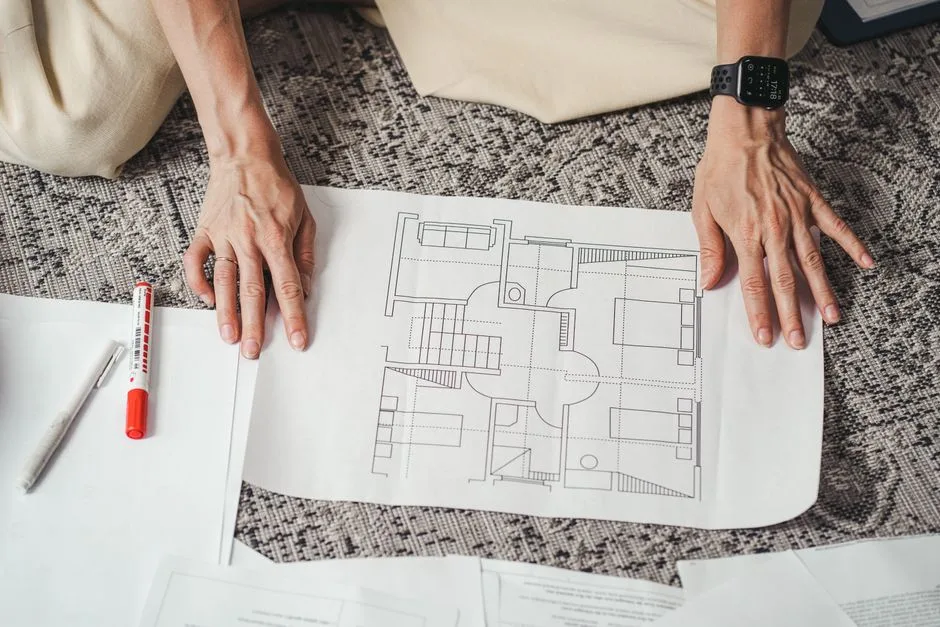
What home extensions typically cost in 2026
These figures represent all-in construction costs for a standard single-storey extension with mid-range finishes. They don’t include design, council approvals or landscaping, which are listed separately further down.
| State | Average Cost (per m²) | Typical Range (40m² extension) |
|---|---|---|
| NSW | $3,100 | $100,000 – $185,000 |
| VIC | $2,950 | $95,000 – $175,000 |
| QLD | $2,600 | $85,000 – $155,000 |
| WA | $2,750 | $88,000 – $160,000 |
| SA | $2,400 | $78,000 – $145,000 |
| TAS | $2,500 | $80,000 – $148,000 |
| ACT | $3,000 | $98,000 – $178,000 |
| NT | $2,900 | $92,000 – $170,000 |
NSW and ACT tend to sit highest due to labour costs, land values and approval complexity. If you’re in suburban Brisbane or Adelaide, your per-square-metre rate is realistically 15-25% lower than inner-Sydney pricing. The NT figures look moderate but don’t account for remote-area site access surcharges, which can be brutal.
A real-world scenario: what one Sydney extension actually cost
To make this concrete: a family in Earlwood (inner-south Sydney) added a 52m² rear extension to a 1960s brick veneer home. The goal was a new open-plan kitchen, dining and living area with a connection to the backyard. Here’s roughly how the budget broke down:
Design and documentation (architect): $18,500. Structural engineering report: $2,800. Soil test: $950. Development Application (DA) fees and certifier: $7,200. Demolition of existing rear room: $6,500. Construction (builder fixed contract): $167,000. Site contingency (5%): $8,350. Landscaping and paving to match: $12,000. Total project cost: approximately $223,300.
That’s $4,294 per m² all-in, which is high but realistic for inner Sydney with a DA process, heritage-adjacent site and the need for matching brick. The same brief in Toowoomba or Geelong would likely land $40,000-$70,000 cheaper.
Single-storey vs double-storey: how the costs compare
This is the comparison that matters most when you’re deciding whether to build out or build up. Going double-storey adds structural complexity, scaffolding, a staircase, and usually a full roof replacement on the existing structure. The cost gap is real.
| Extension Type | Typical Size | Cost Range (national average) | Key Added Costs |
|---|---|---|---|
| Single-storey rear | 30–60m² | $80,000 – $195,000 | Demolition, slab, basic tie-in |
| Single-storey side | 20–40m² | $60,000 – $145,000 | Potential boundary setback issues |
| Double-storey addition | 50–100m² | $180,000 – $400,000+ | Structural steel, scaffolding, staircase, roof rebuild |
| Granny flat (separate) | 40–60m² | $120,000 – $200,000 | Separate utilities connection, own approvals |
| Garage conversion to living | 20–35m² | $40,000 – $95,000 | Insulation, floor, windows, HVAC |
| Modular/prefab addition | 30–50m² | $70,000 – $160,000 | Site prep, connection works, transport |
A double-storey isn’t automatically twice the price of a single-storey, but it’s typically 60-90% more expensive per square metre because of the structural engineering involved. If you’re trying to add a bedroom and bathroom and you have the side or rear space, a well-designed single-storey is almost always better value. If your block is small and you need to go up, build it properly with a structural engineer from day one.
Where the money actually goes: cost factors explained
Site conditions and access
This is the one factor that surprises people most. A house in Newtown with a 2.5m rear laneway and a sloped block will cost $15,000-$40,000 more to extend than the same design on a flat block with easy truck access in Penrith. Soil type matters too, reactive clay (common in Melbourne’s outer suburbs and South-East Queensland) can require a more expensive raft or piled slab, adding $8,000-$18,000 to your slab cost alone.
Build complexity and tie-in works
The junction between the old house and the new extension is often the most expensive part per metre. Matching existing brick, lifting or rebuilding the roof line, rerouting plumbing and relocating load-bearing walls all add cost that doesn’t show up in a per-m² headline rate. Budget $10,000-$25,000 for tie-in works depending on the age and construction type of your existing home.
Finishes and fixtures
A mid-range kitchen and bathroom fit-out for an extension runs $20,000-$45,000. High-end joinery, stone benchtops and European appliances push this to $60,000-$100,000+. Builders price extensions on a shell cost first, the internal fit-out is largely your choice, and the gap between budget and premium can be $30,000-$50,000 on a medium extension. If cost is tight, get the structure right and plan for a kitchen upgrade later.
Council approval complexity
A Complying Development Certificate (CDC) typically costs $3,000-$6,000 all-in and is approved in 10-20 days. A Development Application (DA) costs $5,000-$15,000 in council and certifier fees and takes 3-9 months. Heritage overlays, flood zones or bushfire attack level (BAL) areas add more again. For reference, MoneySmart’s renovation budgeting guidance recommends adding at least 10% to your total budget for approvals, professional fees and unexpected compliance costs.
Labour market and timing
Builder availability is still tight across most capital cities in 2026. Trades are booked out 3-6 months ahead in Sydney, Melbourne and Brisbane. This gives builders less incentive to sharpen pencils. Regional areas and slower markets (parts of Adelaide, Hobart’s North, regional WA) offer more competitive pricing and faster starts. You’ll pay 20-30% more in inner-suburban Sydney or Melbourne than for the same project in regional Queensland. That’s not marketing, it’s what the numbers show.
Design fees
Architects charge 8-15% of construction cost for a full design and documentation service. On a $180,000 extension, that’s $14,400-$27,000. Building designers (who are not registered architects) charge less, typically 3-7% or a fixed fee of $6,000-$15,000. For a straightforward rear extension, a good building designer is usually sufficient. For complex double-storey, heritage or unusual sites, an architect is worth the premium. Using an architect via the Housing Industry Association’s member directory gives you a starting point for finding accredited professionals.
If you’re planning a renovation alongside your extension, the same discipline applies as any large project, get itemised quotes, not lump-sum estimates.
Questions to ask before you book a builder
Is this a fixed-price contract or a cost-plus arrangement?
Fixed-price contracts lock in your exposure but usually include a builder’s contingency margin of 10-15%. Cost-plus means you pay actual costs plus a margin (typically 15-20%), potentially cheaper if everything goes well, but you carry all the risk if it doesn’t. For first-time extension owners, fixed-price is safer.
What’s specifically excluded from your quote?
Builder quotes commonly exclude demolition, landscaping, fencing, temporary accommodation, soil testing, council fees and connection of new services. These exclusions can add $20,000-$50,000 to a project that looked affordable on paper. Get a line-by-line breakdown, not a single lump-sum number.
Who is actually doing the work?
The builder you sign with may subcontract 80-90% of the work to trades you’ve never met. Ask who their regular subcontractors are and whether they’re licensed. This matters especially for electrical and plumbing tie-in work on older homes. Finder’s home renovation research consistently flags subcontractor quality as the leading source of renovation disputes in Australia.
What does the variation clause say?
Variations (changes to scope after contract signing) are priced at the builder’s discretion, and rates in the variation clause are often eye-watering. Ask specifically: what’s the hourly rate for variations, and what counts as a variation? Some builders treat anything not explicitly listed as a variation opportunity.
What’s the payment schedule?
Standard extension contracts use progress payments tied to construction milestones (slab, frame, lock-up, fit-out, completion). Be wary of builders requesting more than 10% upfront or large payments significantly ahead of completed milestones. This is a cash flow issue that can leave you exposed if the builder has financial problems mid-build.
Do you carry home warranty insurance?
In most states, builders are required to hold home warranty insurance (also called builder’s warranty or domestic building insurance) for projects over a certain value. Ask for the policy number and verify it. Without it, you have limited recourse if the builder becomes insolvent or abandons the project.
Common mistakes that blow the budget
- Starting with a builder before getting design documentation. Quotes without proper plans are meaningless. Two builders quoting from the same vague brief will price completely different things, and you can’t compare them. Get architect or building designer drawings first.
- Ignoring the contingency budget. Industry advice is 10-15% contingency. Most people skip it or budget 5%. On a $200,000 extension, the difference between a 5% and 15% buffer is $20,000, and that gap almost always gets filled by something unexpected.
- Choosing the lowest quote without checking references. The cheapest builder isn’t always a bargain. Check at least 2-3 recent references and visit a completed project if you can. A $15,000 saving upfront can cost $40,000 in rectification works or delays.
- Underestimating the disruption costs. If your extension makes the home unliveable for 3-5 months, short-term rental in Sydney or Melbourne can run $3,000-$6,000 per month. That’s $9,000-$30,000 that doesn’t appear anywhere in a builder’s quote. Budget for it early.
If you’re also thinking about the longer-term costs of owning a larger home with pets, it’s worth reading about the full cost of owning larger dog breeds, a bigger house means bigger energy bills and more maintenance, not just more space.
How to bring the cost down
The single most effective way to reduce home extension cost is fixing your scope completely before you sign anything. Every change midway through costs more than it would have at the design stage. That means making real decisions about kitchen layouts, window positions and floor finishes during design, not during construction.
Beyond that, a few things genuinely move the needle:
- Use standard-height ceilings (2.4m) rather than raked or higher ceilings. A 3.0m ceiling height adds roughly $180-$250 per linear metre of wall to your costs.
- Avoid complex rooflines. A simple skillion or gable roof is far cheaper to build and weatherproof than a hip-and-valley or multi-direction pitch.
- Spec mid-range fixtures and plan for an upgrade later. A $4,000 kitchen tap looks the same as a $1,200 one from across the room. Spend the difference on the structure.
- Consider owner-supplied tiles and fixtures. Buying your own tiling tools and materials for small areas, or purchasing tapware directly, saves builder mark-up of 15-30%.
- Get a CDC assessment done before assuming you need a DA. Faster approvals mean earlier construction starts and lower holding costs on any bridging finance.
For related renovation costs, it’s worth checking the pattern of how fees accumulate across a project, the same principle applies to building approvals and certification costs.
If you’re comparing extension costs with broader ownership costs, the cost of owning a Labrador in Australia is a useful parallel for thinking about ongoing versus upfront expenditure.
One more thing worth flagging: if you’re using equity to finance the extension, check how your lender values the post-renovation property. Some will fund based on projected completion value; others will only lend on current value. This affects how much you can borrow and whether bridging finance is needed. MoneySmart’s renovation loan guidance has a clear breakdown of the options.
Frequently asked questions about home extension costs
How much does a home extension cost per square metre in Australia?
Expect $1,800 to $3,200 per m² for a standard single-storey extension with mid-range finishes. High-end finishes, complex sites or double-storey work push this to $3,500 to $4,500+ per m². Sydney and Melbourne are consistently at the top of that range.
Do I need council approval for a home extension in Australia?
Most extensions require either a Development Application (DA) or a Complying Development Certificate (CDC). Small extensions under certain thresholds may qualify for CDC, which is faster and cheaper. Rules vary by state and council, check with your local council before doing anything. Skipping approvals creates serious problems when you sell.
How long does a home extension take to build?
A straightforward single-storey extension of 40-60m² typically takes 12 to 20 weeks on site. Add 3-6 months at the front end for design, council approvals and builder selection. Double-storey or complex projects often run 9-15 months from concept to handover.
Is a home extension cheaper than buying a bigger house?
Often, yes, especially if you’re in a suburb with high stamp duty and transaction costs. A $150,000 extension on a $900,000 home frequently beats paying $1,100,000 for a similar-sized house nearby once you factor in stamp duty, agent fees and moving costs. Run the numbers properly though, not always the case in slower markets.
What’s the difference between a home extension and a renovation?
An extension increases your home’s footprint or adds a storey, it’s new construction tied onto the existing structure. A renovation works within the existing footprint, upgrading or reconfiguring existing spaces. Extensions generally require more approvals, engineering input and a higher budget.
People Also Ask About Home Extension Cost Australia
Can I extend my house without a builder?
In most Australian states, owner-builders can legally manage their own extension if they obtain an owner-builder permit. However, you’ll still need licensed trades for electrical, plumbing and gas work. Most lenders won’t finance owner-builder projects easily, and resale can be complicated without a builder’s warranty. Worth researching state-specific rules carefully before going down this path.
Does a home extension add value to my property?
Generally yes, but not always dollar-for-dollar. In high-demand suburbs like Sydney’s inner west or Melbourne’s inner north, a well-designed extension often returns 80-100% of its cost in added value. In slower regional markets, you might recover 60-75%. Overcapitalising for your street is a real risk, so check comparable sales before you commit.
What is the cheapest type of home extension?
A single-storey rear extension using a lightweight timber frame with standard cladding is typically the most affordable option, starting around $80,000-$100,000 for 30-40m². A modular or prefabricated extension can be cheaper still on paper, but connection costs and site preparation often close the gap significantly.
Do I need a structural engineer for a home extension?
Almost certainly yes. Whenever you’re tying new construction onto an existing structure, removing walls, or adding a second storey, a structural engineer’s report is required by your council and your builder’s certifier. Fees typically run $1,500-$4,000 depending on complexity.
How much does a first-floor home extension cost in Australia?
A first-floor addition in Australia typically costs $180,000 to $380,000+ depending on the size, state and whether the existing roof structure needs to be lifted or replaced. Sydney and Melbourne are at the top of that range. Budget an additional $15,000-$30,000 for temporary accommodation during construction if the build makes your home unliveable.
Going through the data for this guide, what stood out was how much the pre-construction phase is consistently undercooked in people’s budgets. The build itself is the visible part, but the $15,000-$40,000 in design, approvals and engineering that happens before a single wall goes up is just as real. Plan for it from day one, get multiple quotes, fix your scope, and treat any builder who can’t give you a line-by-line exclusions list as a red flag. A well-planned extension is one of the better uses of residential equity in Australia right now. A poorly planned one is one of the more expensive lessons you can learn. Also consider other ongoing costs that come with a bigger home. For instance, if you have pets, check the vet costs for small breeds or see how pet sitting costs in Sydney factor into your overall household budget. And if the extension includes a granny flat or separate living area, you might also want to read about what owning a pet in a multi-household setup actually costs, these things add up in ways people don’t always anticipate.
Related Cost Guides
Recommended Products for Home Extension Cost Australia
If you’re tackling this yourself, here are some products from Amazon Australia that can help:
For a broader sense of what home renovation budget planning resources are available, a few well-reviewed books and project management tools can help you avoid the most common budget blowouts before you sign anything.
This guide contains affiliate links. We may earn a small commission from qualifying purchases at no extra cost to you.