
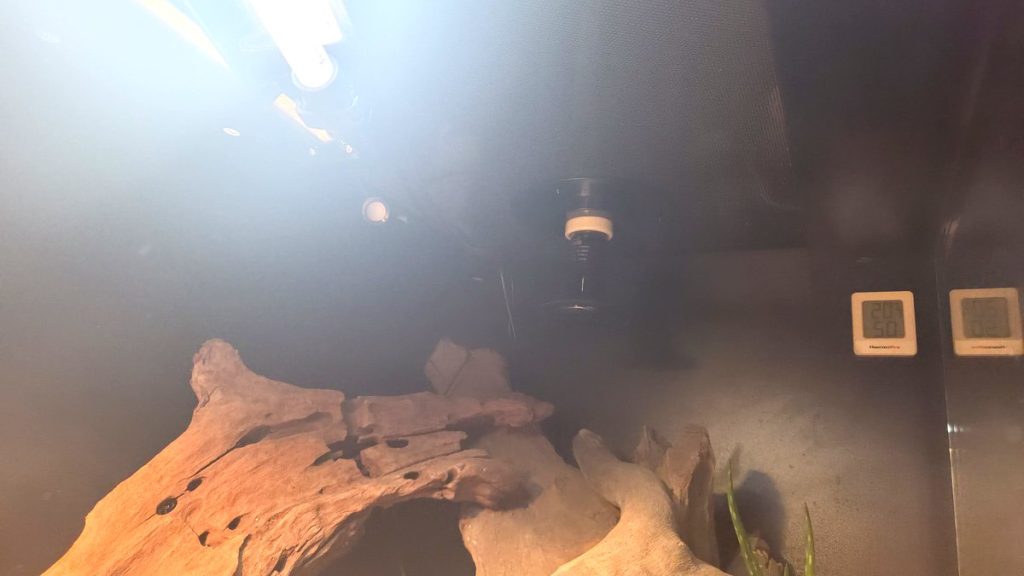
The enclosure is the most expensive thing you will buy for a reptile and the hardest to change your mind about later. It is also the decision people put the least thought into, usually because they are focused on the animal.
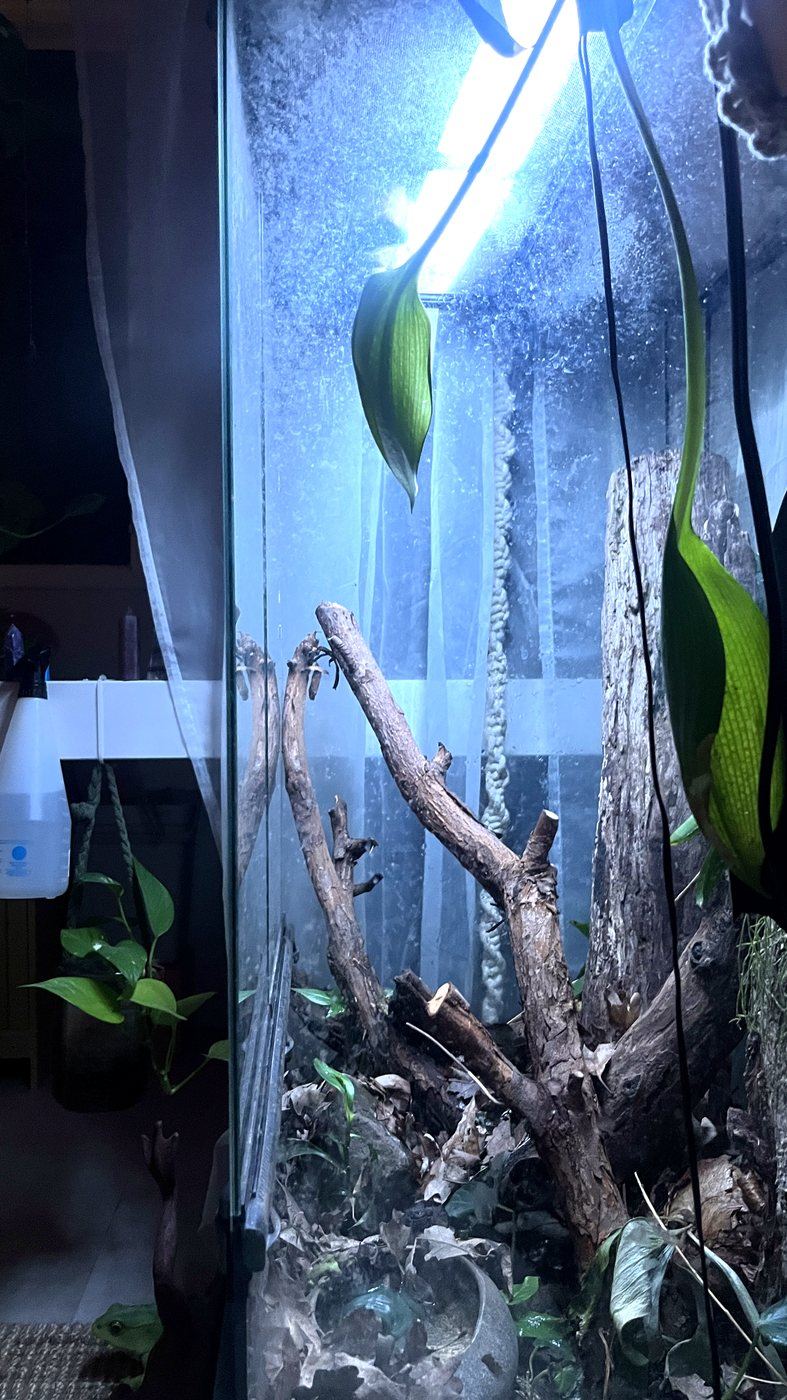
I run two very different setups at home: a melamine vivarium for my bearded dragon and a tall glass terrarium for my green tree frogs. Having both has made the trade-off obvious in a way that reading about it never did. Melamine holds heat. Glass holds humidity. Almost everything else follows from that one sentence.
This is how I would choose an enclosure in Australia, including the decision that quietly locks you in for years.
Melamine vivariums hold heat far better and suit dry desert species like bearded dragons. Glass terrariums hold humidity and give you visibility, which suits frogs, geckos and anything tropical. PVC is the premium option that does both but costs more. Size to the adult animal, not the juvenile, and buy front-opening if you can. The decision that catches people out is bioactive: melamine makes it very difficult because water escapes and the board can swell, so if a living setup appeals to you, choose glass or PVC at the start.
If you just want the short answer, I would start with Exo Terra High Glass Terrarium 36 x 18 x 36in, the big arboreal glass option, plenty of height and good for a planted or bioactive build.
Check price on AmazonAffiliate link. I may earn a small commission at no extra cost to you.
| Enclosure type | Best for | Typical AU cost |
|---|---|---|
| Small glass terrarium | Geckos, small arboreal species | $150 to $250 |
| Tall glass terrarium | Frogs, crested geckos, climbers | $250 to $450 |
| Melamine vivarium, 4ft | Bearded dragons, dry species | $300 to $500 |
| Melamine vivarium, 6ft | Large monitors, adult pythons | $500 to $800 |
| PVC enclosure | Anything, if the budget allows | $600 to $1,200 |
| Second-hand melamine or glass | Most people, honestly | $100 to $300 |
Melamine Versus Glass: What I Have Learned Running Both
Melamine is coated particle board. It is opaque on five sides with sliding glass doors at the front, and its defining quality is that it holds heat extremely well. In an Australian winter that means your heating works less hard and your temperatures stay stable through the night. For a bearded dragon, which wants a hot dry environment and a big stable gradient, that is exactly right.
Glass does the opposite. It loses heat readily, which is a problem for a desert species and completely fine for a frog. What glass does well is hold humidity and let light in from every direction, and it lets you actually see the animal, which matters more than people admit.
PVC is the third option and it is genuinely the best of both: light, waterproof, insulates well, will not swell. It is also the most expensive and less common on Australian shelves, so you are often ordering rather than walking out with one.
The short version I give people at the shop: dry and hot, buy melamine. Humid or planted, buy glass. If money is no object, buy PVC.
The Bioactive Decision You Make Without Realising
This is the one I wish someone had spelled out to me, and it is the reason this section exists.
Bioactive means running a living substrate with plants and a clean-up crew of springtails and isopods that break down waste, so the enclosure becomes a small ecosystem instead of something you scoop. It is increasingly popular, it looks superb, and for a lot of species it is genuinely better husbandry.
Melamine makes it very hard. A bioactive setup needs a drainage layer and a substrate held at workable moisture, and melamine is not built to sit wet. Water escapes fast, and the real risk is the board swelling at the seams and joints, which ruins the enclosure. You can seal one, but you are fighting the material.
So the trap is this. You buy melamine for the excellent heat retention, which is the right call for a dragon on day one. Two years later you decide you want to go bioactive, and you discover the enclosure you bought has quietly ruled it out without a full replacement.
I am in exactly that position, which is why I flag it. If bioactive appeals to you at all, factor it in before you buy, not after. Glass or PVC keeps the door open.
Size: Buy for the Adult, Not the Animal in Front of You
The most expensive mistake in this whole category is buying small for a juvenile and upgrading later. You pay twice, and the second purchase is the big one.
Rough working minimums for adults:
- Bearded dragon: four feet long minimum, and floor space matters far more than height
- Green tree frogs: tall rather than wide, because they climb and the vertical space is the usable space
- Crested geckos and arboreal species: height again, with plenty of structure to climb
- Adult pythons: length matters, and the enclosure should let the snake stretch out fully
Hatchlings do fine in a larger enclosure as long as they can find their heat, their hide and their food. The old advice about small animals being stressed by big spaces is mostly solved by adding more cover rather than by shrinking the box.
Think about the room too. A four foot melamine vivarium full of substrate is heavy and it is not moving once it is up. Decide where it lives before it arrives.
Front-Opening, Top-Opening and Why It Matters
Most melamine vivariums and glass terrariums open at the front. Most fish-tank conversions open at the top. Front-opening is better for almost every reptile.
Something reaching down at them from above reads as a predator, because in the wild it usually is. Reaching in from the side is far less stressful and makes routine maintenance a smaller event for the animal.
Front-opening is also just easier to live with. You can clean the back corner without dismantling the lighting, and you are not lifting a lid past a heat lamp every time.
One practical note from owning a melamine vivarium with sliding glass doors: they mark constantly and they can be stiff to open, because there is usually nothing to grip except the glass itself. Sticking a small handle on the door is a cheap fix that makes a daily difference. I have written about that in more detail in my bearded dragon setup post.
Ventilation, and the Substrate Escape Problem
Two practical things that do not appear in product descriptions.
Ventilation is a balance rather than a maximum. Too little and you get stagnant humid air, mould and respiratory problems. Too much and a humid setup dries out faster than you can mist it. Glass terrariums with a full mesh top ventilate well, which suits frogs, and can be partially covered when you need to hold humidity up.
Substrate escapes. On a sliding-door melamine vivarium, loose substrate works its way into the door track and ends up on your floor, endlessly. The fix is a rubber door guard stuck along the bottom of the opening. I fitted one and it solved it. If you buy a melamine enclosure, do that on day one rather than sweeping up for six months first.
Buying Second-Hand
Enclosures hold up well and the second-hand market in Australia is good. You can often find a four foot melamine vivarium for a third of retail, and people frequently sell the whole setup when they rehome an animal.
What to check:
- Melamine: look hard at the bottom corners and seams for swelling or soft spots. That is water damage and it does not get better
- Glass: check the seals and the mesh top, and look for cracked corners
- Both: disinfect thoroughly before use. A reptile-safe disinfectant, and let it air properly. You do not know what the previous animal had
What I would not buy second-hand is UVB. A used tube has an unknown number of hours on it and no way to tell what output is left, so you are gambling with the one piece of equipment that quietly affects your animal’s health.
Enclosures and Setup Gear
Glass terrariums are the easiest to buy online, and I have listed them by size and shape. Large melamine vivariums like the Reptile One S2M range are usually better bought from an Australian reptile retailer, since freight on a 120cm box is significant. (these are affiliate links)
This guide contains affiliate links. If you buy through them we may earn a small commission at no extra cost to you. I only point to gear I would actually use or sell.
Frequently Asked Questions
Is melamine or glass better for a reptile enclosure?
Melamine holds heat far better, which suits dry desert species like bearded dragons and means your heating works less hard in winter. Glass holds humidity and gives you visibility from all sides, which suits frogs, geckos and tropical species. PVC does both well but costs more and is less commonly stocked in Australia. The short rule is dry and hot means melamine, humid or planted means glass.
Can you keep a bioactive setup in a melamine enclosure?
It is very difficult. Bioactive needs a drainage layer and a substrate held at workable moisture, and melamine is not designed to sit wet. Water escapes quickly and the board can swell at the seams and joints, which ruins the enclosure. You can seal one but you are working against the material. If bioactive appeals to you, choose glass or PVC at the start, because this decision is hard to reverse later without buying a new enclosure.
What size enclosure does my reptile need?
Size to the adult animal, not the juvenile, because buying small and upgrading means paying twice. A bearded dragon needs at least four feet of floor space, green tree frogs and other climbers need height rather than width, and an adult python needs enough length to stretch out fully. Hatchlings do fine in a larger enclosure provided they can find their heat, hide and food, and the answer to a nervous small animal is more cover rather than a smaller box.
Should a reptile enclosure open at the front or the top?
Front-opening is better for almost every reptile. Something reaching down from above reads as a predator, because in the wild it usually is, whereas reaching in from the side is far less stressful. Front-opening is also easier to live with, since you can clean the back corner without dismantling lighting or lifting a lid past a hot lamp. One downside on sliding glass doors is that they mark easily and can be stiff, so adding a handle helps.
Is it safe to buy a second-hand reptile enclosure?
Usually yes, and the Australian second-hand market is good, often a third of retail. Check melamine carefully at the bottom corners and seams for swelling or soft spots, which indicates water damage that will not improve. On glass, check the seals, the mesh top and the corners. Disinfect thoroughly with a reptile-safe product and air it properly before use. The one thing not to buy used is UVB, because a used tube has unknown hours and no way to tell what output remains.