
The reptile licence cost Australia question doesn’t have a simple answer, it changes completely depending on where you live. Victoria charges literally nothing for basic reptiles. Queensland charges up to $355 for advanced keepers. That’s a $355 difference for what might be the same species of python.
Reptile licence cost Australia depends entirely on your state and the class of reptile you want to keep. Victoria charges nothing for basic reptile licences. NSW charges $65 for class 1, $131 for class 2. Queensland's fees climb to $213-$355 for specialist keepers. Most states require annual renewals with separate fees, while others are one-off payments.
Prices updated July 2026 from current Australian sources.
| State / territory | Basic keeper licence | Notes |
|---|---|---|
| Western Australia | from $25 | Plus individual animal registration |
| Northern Territory | $26.50 | Some species exempt |
| Tasmania | $34 / year | Class A wildlife keeping licence |
| Victoria | from $36.90 / year | Cheapest tiered entry for basic species |
| Queensland | $57.25 (Category 1) | Up to about $355 for specialists |
| South Australia | $63.50 / year | Separate fee per category |
| New South Wales | $65 / year (Class 1) | Up to $185 for Class 3 |
Every state and territory runs its own licensing system, so the fee for the same species varies widely depending on where you live. Most states charge annual renewals. All figures are government licence fees only and exclude the enclosure, heating and the animal.
Sources (July 2026): NSW Environment, Reptile keeper licences, Queensland Government, Licences to keep native animals, SA Dept for Environment and Water, Keep and sell native animals, DBCA Western Australia, Fauna Licences, NT.GOV.AU, Keeping protected and prohibited wildlife, vic.gov.au, Private wildlife licences, NRE Tasmania, Wildlife management
Here’s the thing that catches people out: the upfront licence fee is just the start. Most states slug you with renewal fees every 1-5 years, and if you want to upgrade to keep more interesting species later, you’re paying again. Plus there’s the kit you’ll need to meet each state’s welfare standards before they approve your application.
I’ve broken down the exact fees for every Australian state and territory, what’s included at each class level, and where you can actually save money in this process.
Average Reptile Licence Cost Australia by State
Around Australia, reptile licensing follows wildly different models. Some states use a class system (class 1, class 2), others use categories (A, B, C), and a few like the Northern Territory just have a flat basic permit. The reptile licence cost Australia breakdown gets messy fast.
Victoria’s the outlier with free basic licences. Queensland’s at the expensive end with complex tiers and mandatory experience logs for upgrades. NSW sits in the middle with straightforward class pricing.
| State | Basic Licence | Advanced Licence | Renewal Period |
|---|---|---|---|
| NSW | $65 (Class 1) | $131 (Class 2) | 2 years |
| VIC | $0 (Category B) | $0 (Category C) | No renewal fee |
| QLD | $213.85 (Recreational) | $284.75 – $355.65 (Specialist/Advanced) | Annual ($64-$90) |
| WA | $94.50 (Basic) | $189 (Advanced) | Annual ($31.50-$63) |
| SA | $85 (Basic) | $127.50 (Specialised) | 5 years ($42.50-$63.75) |
| TAS | $65.60 (Category 1) | $131.20 (Category 2) | One-off (no renewal) |
| ACT | $47 (Basic) | $143 (Advanced) | One-off (no renewal) |
| NT | $50 (Basic) | $107 (Advanced) | 5 years ($25-$53.50) |
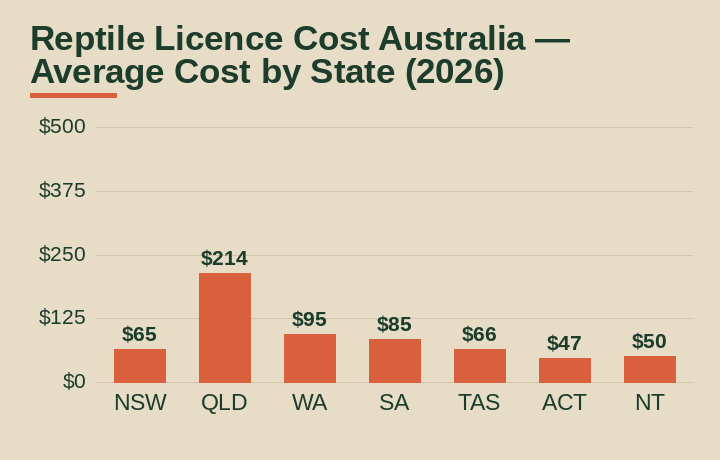
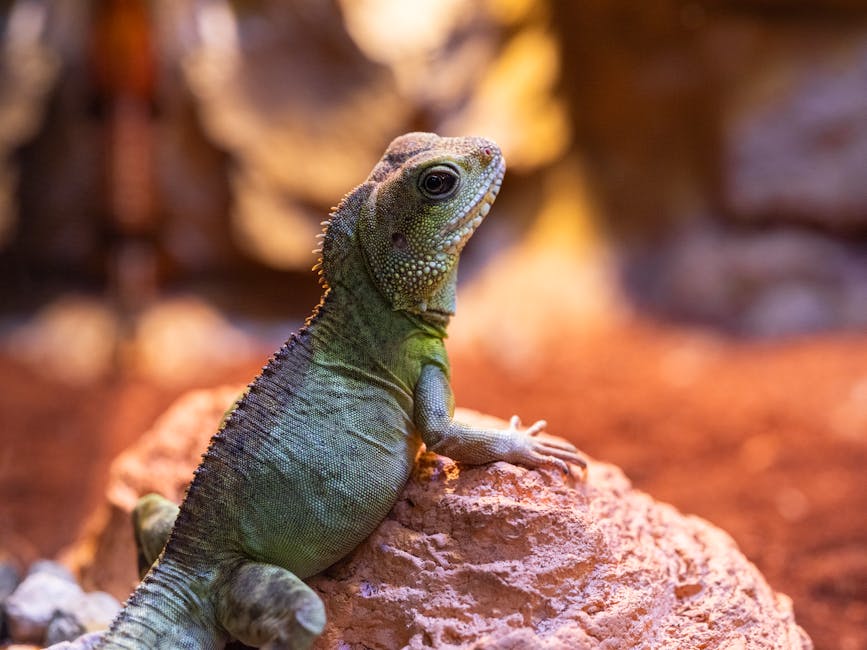
Those Queensland figures look brutal compared to Victoria’s zero, but QLD’s system includes access to a much wider species list from day one. Victoria limits beginners to about 30 species in Category B, while Queensland’s recreational licence opens up around 90 species immediately.
Reptile Licence Cost Australia: What’s Included vs Optional Extras
When you pay for your reptile licence, you’re not getting much beyond the legal right to keep approved species. Most states include a licence card or certificate and access to their online species database. That’s about it.
What’s Always Included:
- Legal authority to purchase, keep, breed, and sell reptiles within your approved class
- Access to your state’s registered reptile dealer network
- Licence verification number for vet records and interstate transfers
- Species list showing which reptiles you can legally acquire
- Basic welfare guidelines document (PDF usually)
What Costs Extra (and catches people off guard):
- Enclosure inspection fees if required by your state, $85-$150 in some SA councils
- Microchipping for certain species, mandatory in QLD for pythons over 2m ($45-$80 per chip)
- Record-keeping logbooks or software, QLD and WA require purchase records ($0 if DIY, $30-$60 for pre-printed books)
- Herpetological society membership often needed for class upgrades, $40-$95 annually
- Species identification courses for advanced classes, $120-$300 in most states
- Public liability insurance recommended for venomous keepers, $180-$400 yearly
NSW and Victoria keep it simple with minimal extras. Queensland’s the most demanding with its experience log requirements and mandatory record keeping for all licence classes, not just advanced keepers.
5 Factors That Influence Reptile Licence Cost Australia
1. Your state of residence (the biggest factor by far)
Where you live determines everything. The same coastal carpet python that’s free to licence in Victoria costs $213.85 upfront plus $64 annual renewals in Queensland. Tasmania’s one-off $65.60 payment seems cheap until you realise you can’t upgrade without applying for a completely new $131.20 Category 2 licence. Each state’s pricing model reflects different wildlife management philosophies, Victoria encourages legal keeping to reduce black market trade, while Queensland uses fees to fund biodiversity programs.
2. Species class or category you’re applying for
Basic classes covering common species like bearded dragons and blue tongues are always cheapest. Want to keep a woma python or water monitor? You’re jumping to class 2 or specialist, which doubles or triples the fee in most states. The jump from NSW class 1 ($65) to class 2 ($131) is relatively gentle. WA’s leap from basic ($94.50) to advanced ($189) is steep. Class definitions vary too, a Children’s python is class 1 in NSW but requires specialist in some other states.
3. Renewal frequency and structure
Annual renewals in WA and Queensland add up fast. WA’s $31.50 yearly renewal doesn’t sound like much, but over 10 years that’s $315 on top of your $94.50 initial fee. Queensland’s $64-$90 annual renewals hit harder, that’s $640-$900 over a decade. Compare that to Tasmania and ACT where you pay once and you’re done forever. Victoria’s zero renewal fees mean your only cost is the initial application processing (which is also zero). When comparing states, always calculate the 5-year or 10-year total cost.
4. Number of class upgrades you plan to pursue
Most keepers start with basic species but want more interesting animals within a few years. Each upgrade means paying the full higher-class fee in most states. If you know you’ll want venomous snakes eventually, starting in a state with cheaper advanced licences saves money long-term. SA’s specialised licence at $127.50 every 5 years is actually cheaper over time than NSW’s $131 every 2 years, even though NSW looks cheaper upfront. Factor in your 5-year plan when choosing where to start.
5. Application method (online vs in-person)
This one’s small but real. NSW charges an extra $7 for over-the-counter applications at Service NSW centres versus online lodgement. WA adds $10 for in-person processing. It’s not huge money, but when you’re already paying $65-$355, why add unnecessary fees? Online applications also process faster, usually 3-7 days versus 2-3 weeks for mailed paper forms. The only time in-person makes sense is if you need help interpreting species lists or have complex prior-experience documentation from interstate.
Recommended Products for Reptile Licence Cost Australia
If you’re tackling this yourself, here are some products from Amazon Australia that can help (these are affiliate links):
How to Navigate Reptile Licence Cost Australia for Better Value
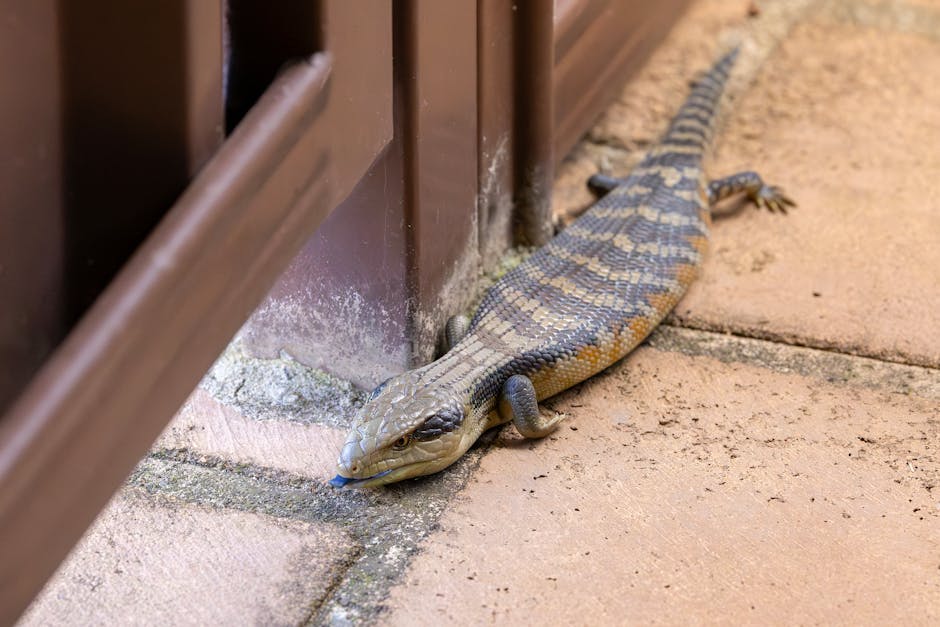
The smartest move is researching your target species before applying. Don’t assume you need class 2 or specialist just because a species looks exotic. Shingleback lizards seem advanced but they’re class 1 in NSW, basic category in most states. Check your state’s official species list carefully.
If you’re in a state with expensive renewals like Queensland, consider whether you’ll genuinely keep reptiles long-term before committing. That $213.85 initial fee becomes $853.85 over 10 years once you add renewals. For casual keepers, that’s real money that might be better spent on other pets with simpler licensing.
Joining your state’s herpetological society before applying often helps. Members get access to mentors who can verify your husbandry knowledge for advanced applications, plus many societies run group orders for equipment that meets compliance standards. The $50-$80 membership can save you $200-$400 on your first enclosure setup by connecting you to experienced keepers selling quality second-hand gear.
Timing matters in states with calendar-year renewals. Queensland licences expire December 31 regardless of when you apply. Put in your application in November and you’re paying renewal fees again in 8 weeks. Apply in February and you’ve got 10 months before your first renewal. Most states don’t prorate fees, so this timing alone can save you a full renewal cycle.
For species requiring quality heating lamp setups to meet welfare standards, buy those before applying. Some states like SA require proof of appropriate facilities before they’ll issue your licence, and inspections cost extra if you fail the first time.
The reptile licence cost Australia system isn’t designed to be consistent, each state manages its own wildlife licensing independently. What you’ll pay depends entirely on where you live, what you want to keep, and how serious you are about the hobby. Victoria’s free model works brilliantly if you’re happy with common species. Queensland’s expensive structure makes sense if you want access to specialist animals without years of waiting. There’s no universally ‘best’ state for costs, just the best state for your specific situation and budget.
Frequently Asked Questions
Do I need a licence to keep reptiles in Australia?
Yes, every Australian state and territory requires a licence to keep native reptiles legally. You can’t keep any reptile, even common blue tongues or bearded dragons, without the proper permit. The only exception is if you’re temporarily caring for an injured wild reptile before handing it to a wildlife rescue.
Which Australian state has the cheapest reptile licence?
Victoria offers the cheapest reptile licence cost Australia, it’s completely free for basic Category B reptiles, which includes popular species like central bearded dragons and blue tongue lizards. You pay zero for the initial licence and zero for renewals. NSW is second cheapest at $65 for class 1 species.
How much does it cost to renew a reptile licence in Australia?
Renewal fees vary by state. NSW charges the same as initial fees ($65-$131) every 2 years. Queensland charges $64 for basic renewals, $90 for specialist. Victoria charges nothing. WA charges $31.50 annually. SA charges $42.50 for 5 years. Some states like ACT charge one-off fees with no renewals.
Can I upgrade my reptile licence class later?
Yes, all states allow class upgrades, but you’ll pay the difference in fees plus administrative costs. In NSW, upgrading from class 1 to class 2 costs the full $131 class 2 fee. Queensland requires 2 years’ documented experience at your current level before approving upgrades to specialist or advanced classes.
What happens if I keep a reptile without a licence in Australia?
Keeping reptiles without a licence is illegal across Australia and carries serious penalties. Fines range from $2,200 in Tasmania to over $22,000 in Queensland for serious breaches. Authorities can seize your animals, and repeat offenders face criminal charges. It’s also nearly impossible to get vet care for unlicensed reptiles.
People Also Ask About Reptile Licence Cost Australia
How long does it take to get a reptile licence approved in Australia?
Processing times vary by state and application method. Online applications in NSW and Victoria typically approve within 3-7 business days. Queensland and WA take 2-3 weeks for basic licences, longer for specialist classes requiring experience verification. SA can take up to 6 weeks during peak periods (September-December when breeding season starts). ACT is fastest at 2-5 days for straightforward applications.
Can I keep venomous snakes with a standard reptile licence?
No, venomous snakes require the highest licence class in every state and aren’t available to beginners. In NSW you need a class 2 licence plus documented handling experience. Queensland requires an advanced licence with strict venom training. Most states require 4-5 years of lower-class reptile keeping, referee statements from experienced keepers, and completion of a venomous snake handling course ($400-$800).
Do reptile licences cover multiple animals or just one?
Reptile licences cover you as a keeper, not individual animals. Once licensed, you can keep multiple reptiles within your approved class, though most states have quantity limits. NSW allows up to 40 total reptiles across both classes combined. Victoria has no quantity limit for basic categories. You don’t pay per animal, just the one licence fee.
What’s the difference between native and exotic reptile permits in Australia?
Standard reptile licences only cover native Australian species. Exotic reptiles (anything not naturally found in Australia) are completely banned for private keeping in most states. The only exception is corn snakes in Victoria under special exotic pet permits, which cost $133.70 for 3 years. You cannot legally keep ball pythons, iguanas, or chameleons anywhere in Australia regardless of licence class.
Will my reptile licence from one state transfer to another if I move?
Licences don’t automatically transfer between states, you need to apply for a new licence under your destination state’s system. However, most states recognise your keeping experience from other jurisdictions when assessing class eligibility. Moving from NSW to QLD with 3 years documented class 1 experience may qualify you for QLD specialist class immediately. You’ll still pay the new state’s fees though.
Related Cost Guides
This guide contains affiliate links. We may earn a small commission from qualifying purchases at no extra cost to you.