
A professional dental clean is one of the bigger vet bills you’ll face, but it’s also one of the most worthwhile, because it heads off the painful dental disease and emergency extractions that cost far more. Understanding the full cost breakdown helps Australian pet owners budget appropriately and make informed decisions about their pet’s oral health care in 2026.
Pet dental cleaning cost Australia averages $600-$800 for dogs and $500-$700 for cats under general anaesthetic in 2026. Prices include pre-anaesthetic blood work ($80-$150), the cleaning procedure itself ($300-$600), and post-operative pain relief ($40-$80). Extractions, advanced periodontal disease, or emergency cases can push costs to $1,200-$2,500.
This comprehensive guide examines current pricing across all Australian states, hidden fees that catch owners by surprise, and proven strategies to reduce expenses without compromising your pet’s dental health.
Recommended Products for Pet Dental Cleaning Cost Australia
If you’re tackling this yourself, here are some products from Amazon Australia that can help (these are affiliate links):
Related Cost Guides
How Much Does Pet Dental Cleaning Cost Australia in 2026?
Prices updated July 2026 from current Australian sources.
| Procedure | Average | Typical range |
|---|---|---|
| Dog, Grade 1 (mild, scale and polish) | $700 | $550-$850 |
| Dog, Grade 2-3 (moderate, a few extractions) | $1,250 | $950-$1,600 |
| Dog, Grade 4 (advanced, multiple extractions) | $2,100 | $1,800-$2,500+ |
| Cat, basic scale and polish | $575 | $450-$700 |
| Cat, comprehensive with dental X-rays | $1,000 | $800-$1,200 |
On top of the base fee: dental X-rays ($150-$250), pre-anaesthetic blood tests ($150-$300, usually needed over age 5) and extractions ($100-$400 per tooth). Metro clinics run about 15-20% above regional ones. General anaesthesia and a nurse to monitor your pet are included, which is why dental work has to be done by a vet.
Sources (July 2026): Hero Pet Health (AU), Dog Teeth Cleaning Cost Australia 2026, Maraboon Vet (QLD), Dental Disease and Procedures, Australian Animal Oral Care, Dental Scale and Polish, Purrlys (AU), Cat Dental Cleaning Cost Australia 2026
The pet dental cleaning cost Australia varies significantly based on your location, pet’s size, dental health status, and the veterinary clinic you choose. On average, Australian pet owners pay between $600 and $800 for a standard dental cleaning procedure under general anaesthetic for dogs, while cats typically cost $500-$700 due to their smaller size and faster procedure times.
Basic procedures for pets with minimal dental disease start around $400-$500 in regional areas, while complex cases requiring multiple extractions in major cities can exceed $1,500-$2,500. The procedure always requires general anaesthesia for safety and effectiveness, which forms a substantial portion of the total cost.
Pet Dental Cleaning Cost Australia by State (2026)
Pricing varies considerably across Australian states and territories due to differences in operating costs, market competition, and regional economic factors. Metropolitan areas consistently charge 20-40% more than regional clinics.
Note: Basic cleaning covers Grade 1 dental disease with minimal plaque. Standard cleaning addresses Grade 2-3 disease with moderate tartar buildup. Complex cases involve Grade 4 disease, multiple extractions, or surgical intervention. Prices include anaesthesia, monitoring, scaling, polishing, and standard medications.
What Affects Pet Dental Cleaning Cost Australia Pricing?
Multiple factors influence the final invoice for your pet’s dental procedure. Understanding these variables helps you anticipate costs and have informed discussions with your veterinarian about treatment options and budgeting.
Pet Size and Species
Larger dogs require higher anaesthetic doses, longer procedure times, and more intensive monitoring, increasing costs by 30-50% compared to small dogs or cats. A Great Dane’s dental cleaning typically costs $900-$1,200, while a Chihuahua’s procedure might be $500-$650. Cats generally cost less than dogs due to their smaller mouths and faster procedure times, though brachycephalic breeds like Persians require extra anaesthetic precautions that add $80-$150 to standard pricing.
Dental Disease Severity
The extent of existing dental problems dramatically impacts pricing. Veterinarians grade dental disease from 0-4, with Grade 0 being pristine and Grade 4 involving severe infection, bone loss, and multiple compromised teeth. Grade 1-2 cleanings cost $400-$700, while Grade 3-4 cases requiring multiple extractions, root canals, or surgical intervention can reach $1,500-$2,500. Each tooth extraction adds $50-$200 depending on complexity, with canines and carnassial teeth being most expensive to remove.
Pre-Anaesthetic Testing Requirements
Comprehensive blood work before anaesthesia is standard practice and costs $80-$200 depending on the panel complexity. Senior pets (over 7-8 years) typically require more extensive screening including kidney and liver function tests, adding $120-$200 to the total. Some clinics also recommend ECG monitoring for cardiac assessment ($80-$150) or chest X-rays for brachycephalic breeds ($150-$250). While these tests increase upfront costs, they significantly reduce anaesthetic risks.
Geographic Location and Clinic Type
Metropolitan veterinary clinics charge 25-40% more than regional practices due to higher rent, staff wages, and operating expenses. Sydney and Melbourne clinics typically charge $700-$1,000 for standard procedures, while regional NSW or Victorian clinics might charge $500-$700 for identical services. Specialist veterinary dental clinics charge premium rates ($1,200-$2,000) but offer advanced procedures like root canals and orthodontics that general practices cannot provide. Emergency or after-hours procedures attract 50-100% surcharges.
Additional Procedures and Medications
Beyond basic scaling and polishing, many pets require supplementary treatments that increase costs. Dental nerve blocks for pain management add $40-$80 per injection site. Antibiotic therapy for infected teeth costs $30-$80 depending on the medication and treatment duration. Fluoride treatments to strengthen enamel add $30-$60. Some veterinarians recommend dental sealants for dogs after cleaning to extend results, adding $80-$150 to the procedure cost but potentially delaying the next cleaning by 6-12 months.
How to Save on Pet Dental Cleaning Cost Australia
While professional dental cleaning is non-negotiable for your pet’s health, several strategies can reduce expenses without compromising care quality. Implementing these approaches can save Australian pet owners $200-$500 annually on dental-related veterinary costs.
- Establish a home dental care routine: Daily tooth brushing reduces plaque accumulation by 60-80%, potentially extending the interval between professional cleanings from annually to every 2-3 years. Use veterinary-approved toothpaste (never human toothpaste, which contains toxic xylitol) and introduce brushing gradually with positive reinforcement.
- Compare quotes from multiple clinics: Prices for identical procedures vary by $200-$400 between clinics in the same area. Request itemised quotes from at least three practices, ensuring they include anaesthesia, monitoring, medications, and any anticipated additional procedures. Don’t automatically choose the cheapest option, verify the veterinarian’s qualifications and equipment standards.
- Book during promotional periods: Many clinics offer 10-20% discounts on dental procedures during National Pet Dental Health Month (February) or practice anniversary specials. Some practices provide multi-pet discounts of 10-15% when booking procedures for multiple animals simultaneously.
- Invest in preventative dental products: Quality veterinary dental chews cost $25-$40 monthly but can reduce professional cleaning frequency and prevent costly extractions. Water additives ($20-$35 per bottle lasting 1-2 months) and dental diets formulated to reduce tartar buildup provide additional preventative benefits at modest cost.
- Address dental issues early: Regular six-month check-ups allow veterinarians to identify Grade 1-2 dental disease when treatment is simpler and cheaper ($400-$600) rather than waiting until Grade 4 disease requires extensive extractions and surgical intervention ($1,500-$2,500). Early intervention reduces lifetime dental costs by 60-70%.
For comprehensive information on other pet care expenses, explore our detailed guide on pet care costs in Australia, which covers budgeting for all aspects of responsible pet ownership.
Understanding the Pet Dental Cleaning Procedure
Knowing what occurs during a professional dental cleaning helps pet owners understand the cost structure and feel confident about the procedure’s value. The process typically takes 45-90 minutes depending on dental disease severity and involves multiple specialised steps that cannot be safely performed without general anaesthesia.
Pre-procedure preparation begins with comprehensive blood work to assess anaesthetic safety, typically performed 1-7 days before the scheduled cleaning. On procedure day, veterinarians administer pre-anaesthetic sedation followed by intravenous or gas anaesthesia. Throughout the procedure, trained nurses monitor heart rate, blood pressure, oxygen saturation, and temperature using sophisticated equipment.
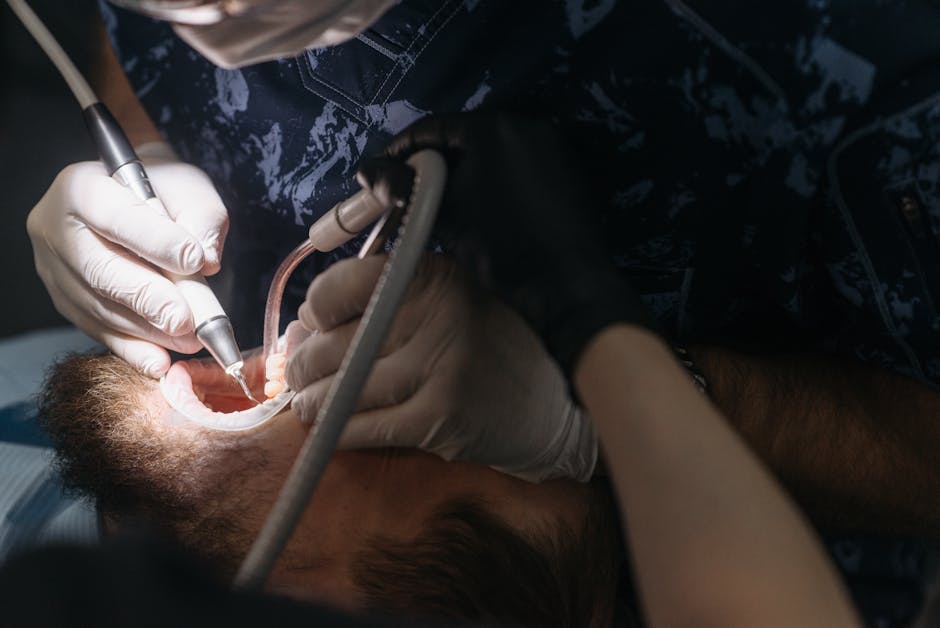
The actual cleaning involves ultrasonic scaling to remove tartar above and below the gumline, thorough probing to assess periodontal pocket depth, and polishing to smooth enamel surfaces and delay plaque reaccumulation. Veterinarians examine each tooth individually, take dental X-rays to assess root health, and perform any necessary extractions. Post-procedure, pets receive pain relief medication and antibiotics if infections were present.
Recovery typically takes 2-4 hours under veterinary supervision before pets are discharged with detailed home care instructions. Most pets return to normal eating and activity within 24-48 hours, though those undergoing extractions may need soft food for 7-10 days. If you’re concerned about other aspects of pet healthcare costs, our guide on cost of owning a dog in Australia provides comprehensive budgeting information for all veterinary expenses.
Signs Your Pet Needs Professional Dental Cleaning
Recognising dental disease symptoms early allows timely intervention before problems become severe and expensive. Most pets require their first professional cleaning between 2-4 years of age, though small breed dogs and brachycephalic breeds often need earlier attention due to crowded teeth and genetic predispositions.
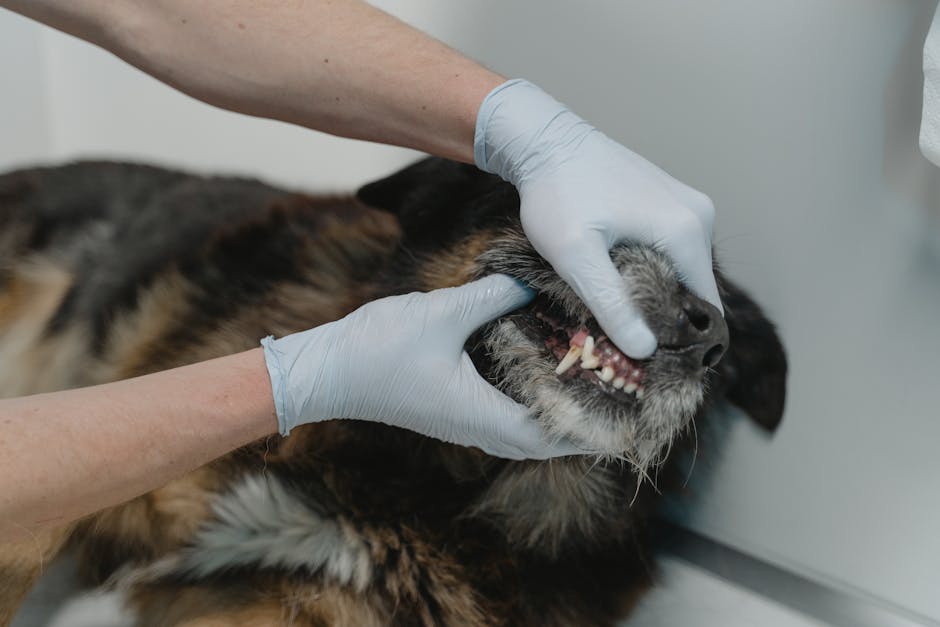
Visible indicators include yellow or brown tartar buildup on teeth, especially near the gumline, red or swollen gums that bleed when touched, and loose or missing teeth. Behavioural changes suggesting oral pain include reluctance to eat dry food, dropping food while chewing, pawing at the mouth, excessive drooling, and decreased interest in chew toys. Bad breath (halitosis) is the most common early warning sign, though many owners mistakenly accept it as normal.
If you notice any combination of these symptoms, schedule a veterinary examination promptly. Early Grade 1-2 dental disease costs $400-$700 to treat, while delaying until Grade 4 disease develops can result in $1,500-$2,500+ procedures plus potential complications like jaw fractures or systemic infections requiring hospitalisation.
Frequently Asked Questions About Pet Dental Cleaning Cost Australia
Why does pet dental cleaning cost so much in Australia?
The high cost reflects general anaesthesia requirements, specialist equipment, veterinary expertise, and comprehensive pre-procedure health screening. Unlike human dental cleanings, pets cannot stay still or understand instructions, making anaesthesia essential for safety and thoroughness. The price includes blood work, anaesthetic monitoring, scaling, polishing, and recovery care.
Is pet insurance worth it for dental cleaning costs?
Most pet insurance policies don’t cover routine dental cleanings, treating them as preventative care. However, policies typically cover dental work resulting from accidents or illness, including extractions and emergency procedures. Some premium plans offer wellness add-ons that contribute $150-$300 annually toward preventative dental care.
How often does my pet need professional dental cleaning?
Most veterinarians recommend professional dental cleaning every 1-3 years depending on your pet’s breed, age, diet, and home care routine. Small breed dogs often need annual cleanings due to crowded teeth, while larger breeds with good home care may only need cleaning every 2-3 years. Your vet will assess individual needs during check-ups.
Can I get cheaper dental cleaning without anaesthetic?
Anaesthetic-free dental cleaning is not recommended by the Australian Veterinary Association and most qualified veterinarians. Without anaesthesia, cleaners cannot properly examine below the gumline where 60% of dental disease occurs, cannot take dental X-rays, and the procedure causes significant stress. The practice is often performed by unqualified practitioners and provides false reassurance about oral health.
What happens if I don’t get my pet’s teeth cleaned?
Untreated dental disease leads to pain, tooth loss, difficulty eating, and bacterial infections that can spread to vital organs including the heart, liver, and kidneys. Severe periodontal disease shortens lifespan by 2-3 years on average and can result in emergency procedures costing $2,000-$5,000. Prevention through regular cleaning is significantly more cost-effective than treating advanced disease.
Get the Best Value for Pet Dental Cleaning Cost Australia
Professional dental care represents a substantial investment in your pet’s health and quality of life. While the pet dental cleaning cost Australia ranges from $400 to $2,500 depending on complexity, the expense is justified when you consider the alternative: painful dental disease, organ damage from bacterial spread, and emergency procedures costing thousands more.
By understanding pricing factors, implementing daily home dental care, and scheduling regular veterinary check-ups to catch problems early, Australian pet owners can optimise their pet’s oral health while managing costs effectively. Don’t wait until severe dental disease develops, proactive care saves both money and suffering in the long term.
This guide contains affiliate links. We may earn a small commission from qualifying purchases at no extra cost to you.