
Decking cost Australia is one of those renovation numbers that bounces around a lot depending on who you ask. Based on quotes gathered across Sydney, Brisbane and regional Victoria in 2026, the installed cost ranges from around $200 per square metre for basic treated pine up to $1,000-plus for premium hardwood with stairs, balustrading and the full bells and whistles. That’s a wide spread, and the reason for it isn’t just material choice.
Decking cost Australia sits between $200 and $1,000 per square metre installed, depending on the material. Treated pine is the cheapest option at $200-$400/m². Composite decking runs $350-$700/m², and premium hardwood like Merbau can push $600-$1,000/m². A standard 30m² deck with a basic timber finish will cost most Australians $8,000-$18,000 all up.
Labour, site conditions, deck height, design complexity and your state’s permit requirements all push the number around. The Choice Australia home renovation research consistently finds that Australians underestimate outdoor build costs by 20-30%. So before you start sketching layouts, here’s what a realistic budget actually looks like in 2026.
What decking typically costs in 2026
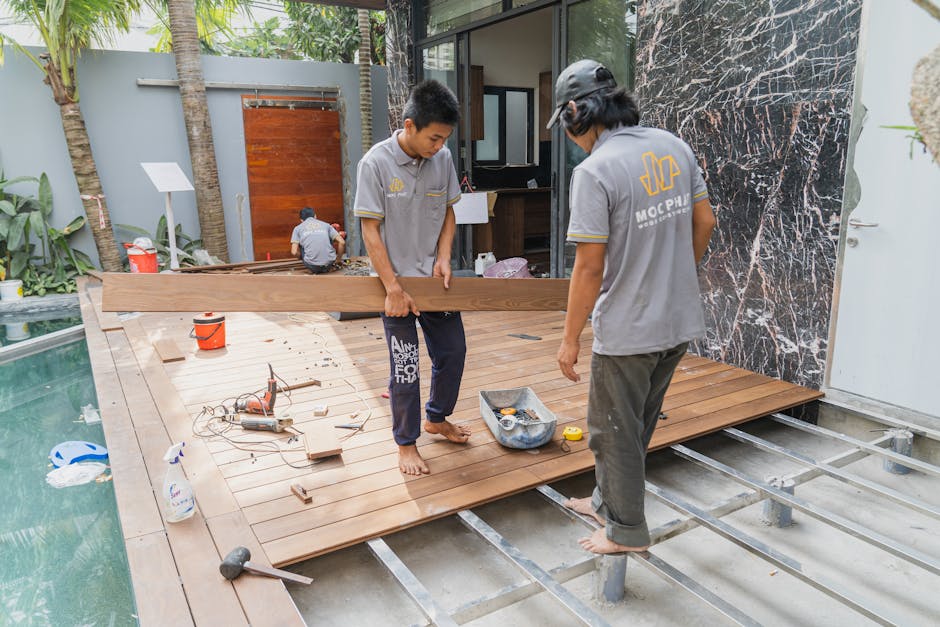
The per-square-metre rate you’ll see quoted is almost always a supply-and-install figure. Materials alone account for 40-60% of the total, depending on timber type. Labour runs $65-$120 per hour for a carpenter, and a 30m² deck typically takes 3-5 days for a two-person crew.
Here’s a rough sense of overall project costs by deck size, using mid-range composite decking as the baseline:
- Small deck (15m²): $6,000-$12,000
- Medium deck (30m²): $12,000-$24,000
- Large deck (50m²): $20,000-$45,000
These figures assume ground-level or low-level builds without stairs. Elevated decks, wrapped balustrades and built-in seating add significantly.
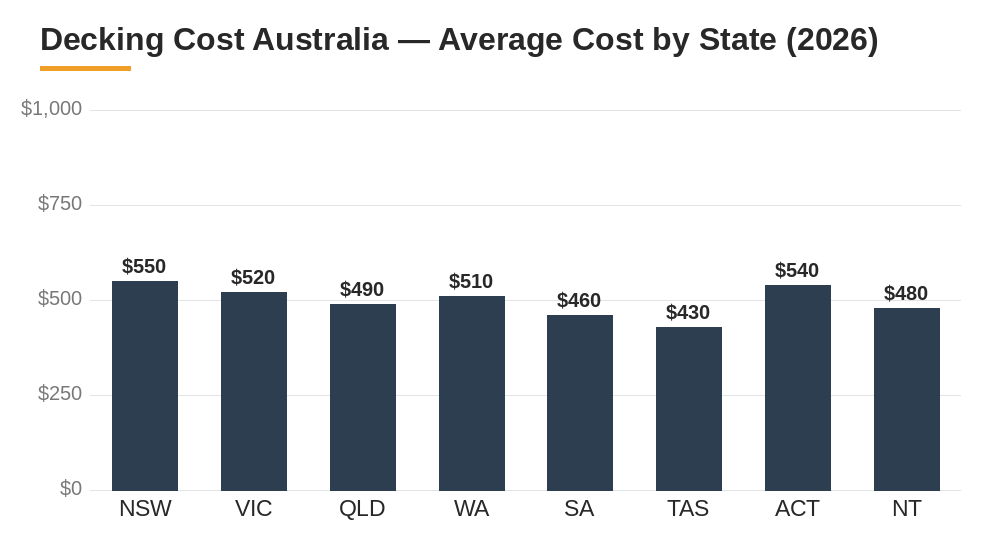
State-by-state decking cost breakdown
Labour rates and material freight costs vary enough across Australia to move the needle. Sydney and Melbourne consistently sit at the top. Regional WA and Tasmania are generally cheaper for labour but can attract freight premiums on composite materials.
| State | Average Cost (per m²) | Typical Range (per m²) |
|---|---|---|
| NSW | $550 | $280 – $1,050 |
| VIC | $520 | $260 – $980 |
| QLD | $490 | $240 – $950 |
| WA | $510 | $250 – $970 |
| SA | $460 | $220 – $880 |
| TAS | $430 | $210 – $830 |
| ACT | $540 | $270 – $1,020 |
| NT | $480 | $230 – $920 |
Get 3 free quotes from local providers in your area. No obligation.
Inner-city suburbs are reliably more expensive. A 30m² treated pine deck in Newtown or Fitzroy is going to cost more than the same job in Toowoomba or Geelong, simply because tradie time is worth more in dense urban areas and parking a work van is a genuine cost.
Timber, composite or hardwood: what you’re actually comparing
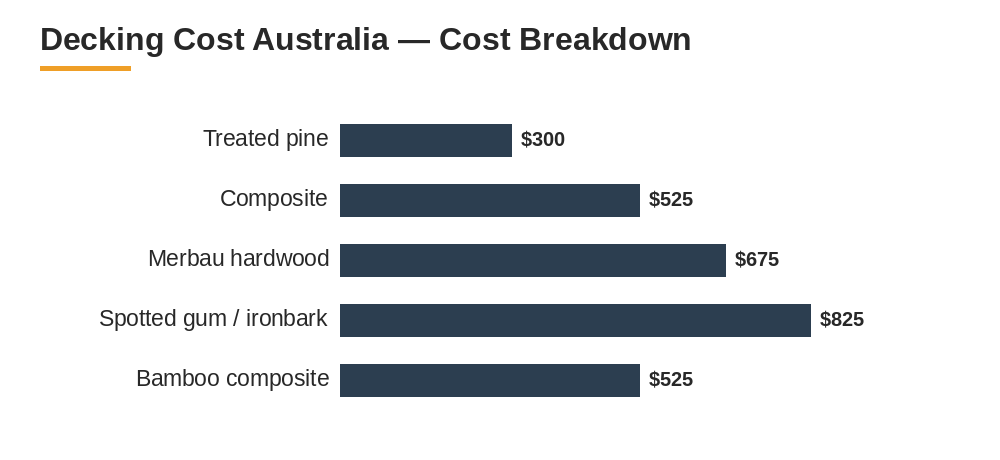
Material choice is the single biggest lever on decking cost australia. The table below lays out the real trade-offs across the three main options. Don’t just look at the upfront rate, the 10-year cost picture changes the calculation significantly.
| Decking Type | Supply & Install (per m²) | Maintenance Cost (per year) | Lifespan |
|---|---|---|---|
| Treated pine | $200 – $400 | $150 – $400 (oiling/staining) | 15-25 years |
| Composite | $350 – $700 | $50 – $150 (cleaning only) | 25-30 years |
| Merbau hardwood | $500 – $850 | $200 – $500 (oiling) | 30-40 years |
| Spotted gum / ironbark | $600 – $1,050 | $200 – $500 (oiling) | 40+ years |
| Bamboo composite | $400 – $650 | $50 – $150 (cleaning only) | 20-25 years |
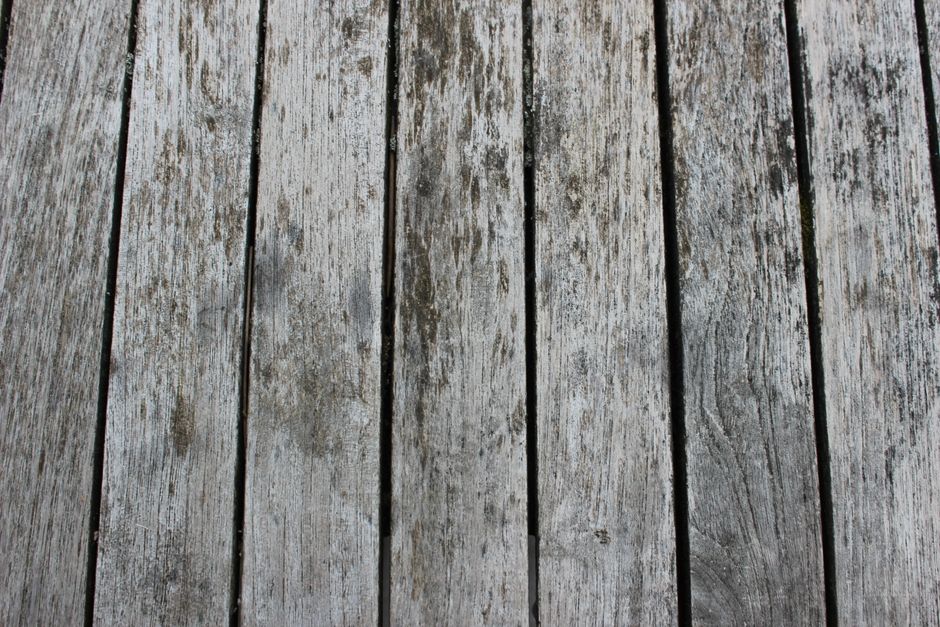
Treated pine looks attractive on paper, but the annual maintenance cost adds up. Over 15 years, oiling a 30m² pine deck yourself costs roughly $3,000-$6,000 in product and time. A composite deck over the same period might cost $1,500-$2,500 to maintain. The gap between upfront costs narrows faster than most people expect.
If you’re already thinking about the long-term running costs of owning a home, our breakdown of monthly pet food costs in Australia uses the same lens, small recurring costs that add up over years.
Where the money actually goes: five factors that shift the price
1. Deck height and structural complexity
A ground-hugging deck with 200mm of clearance is structurally simple. An elevated deck 800mm-1,200mm off the ground needs deeper footings, larger bearers, compliant balustrades and potentially engineering sign-off. That difference alone adds $80-$200/m² to the overall rate. A 30m² elevated deck in suburban Brisbane could easily cost $6,000-$8,000 more than an equivalent ground-level build.
2. Material choice and grade
Treated pine H3 grade is cheap and serviceable. Step up to H4 (in-ground contact) for elevated footing posts, and the price rises slightly but it’s the right call. For the boards themselves, the jump from pine to Merbau is roughly $150-$300/m² in materials alone. Composite boards carry a higher supply cost but the better brands (Ekodeck, ModWood, Duralife) come with 25-year warranties that cheap pine can’t match. Ordering composite decking samples before you commit is worth doing, colours genuinely look different in person than in catalogues.
3. Site access and ground conditions
If your backyard is accessible only through a narrow side gate, material handling takes longer and costs more. Rocky ground or sloped sites require more engineering for footings, sometimes involving a concrete drill or mini-excavator. I’ve seen site condition add-ons range from $500 to $4,000 depending on what’s under the soil. Sloped blocks in inner-west Sydney and hilly parts of Adelaide are notorious for this.
4. Design complexity and extras
Every feature adds cost. Stairs run $800-$2,500 per flight. Built-in seating adds $600-$1,800. Inbuilt planters, integrated lighting and pergola attachment points all carry their own line items. An L-shaped or multi-level design costs 20-35% more to build than a simple rectangle of the same total area, just because of the additional cutting, framing and joins involved.
5. Permits and certifications
In NSW and Victoria, decks over certain dimensions or heights require a complying development certificate (CDC) or development application (DA). Fees vary by council but typically run $800-$2,500 for a CDC and more for a full DA process. Some councils in Queensland are more relaxed about low-level deck exemptions; ACT is generally stricter. Skipping permits is a risk that can bite you when you sell, solicitors ask specifically about unpermitted structures now. The MoneySmart home renovation checklist flags permit costs as one of the most commonly overlooked renovation expenses, and they’re right.
Questions to ask before you book a deck builder
Is your quote fixed price or an estimate?
Some builders quote “approximately $X” based on a quick measure, then invoice more when materials run over or groundwork takes longer. A fixed-price contract protects you. Get it in writing, including what’s excluded, before any deposit changes hands.
What does the quote include for footings and framing?
Some low quotes use minimal footing depth or undersized joists to hit a number. Ask specifically about footing depth, joist spacing and bearer size. A deck framed with 90x45mm joists at 900mm centres is not the same as one with 140x45mm at 450mm centres, even if the surface boards look identical.
Do you handle council approval, or do I?
Some builders include certification management in their quote; others hand you a set of plans and expect you to lodge everything. If you’re handling permits yourself, budget an extra $500-$1,200 for a private certifier. Knowing this upfront avoids a nasty surprise mid-project.
What timber grade are you using for structural members?
For any footing posts in-ground or in-concrete, you need H4 or H5 treated timber. H3 is fine for above-ground framing and boards. If a builder quotes H3 throughout to save money, that’s a structural shortcut that will cost you later. Worth asking directly.
Is the price GST-inclusive?
Some tradies, particularly sole traders operating near the GST registration threshold, quote ex-GST. On a $15,000 deck, that’s another $1,500 you didn’t budget for. Always confirm the quote is GST-inclusive or note the GST amount separately.
What’s your process for handling unexpected groundwork costs?
Hitting rock, old concrete slabs or drainage infrastructure isn’t rare, especially in older suburbs. Ask what happens if they encounter something unexpected: do you get a variation quote before they proceed, or do they just dig and bill you? The answer tells you a lot about how the relationship will be managed.
How to bring the cost down without cutting corners
Get three detailed quotes minimum, and make sure they’re all quoting the same specs. Vague quotes from different builders are impossible to compare. When I say three quotes, I mean from builders who’ve visited the site, not ballparked over the phone.
Autumn is genuinely the best time to book. Builders in Sydney, Melbourne and Brisbane are slammed through September-November as homeowners panic about summer. Book in April-June and you’ll have more negotiating room. I’ve heard of 10-15% savings just from timing the booking right.
If your builder is open to it, supply your own materials. Timber yards like Bowens in Victoria or any good independent timber merchant will price materials competitively, and some builders mark materials up 15-20%. On a large deck this saves real money. Use a quality decking oil and apply it yourself rather than paying for a maintenance visit.
Simplify the design. That multi-level deck with curved steps and inbuilt seating is going to cost 30-40% more than a clean rectangle. If budget is tight, build the rectangle now and add a second level or pergola later. That’s a legitimate strategy and good builders will support it.
You might also compare the cost against other outdoor property improvements. For a different lens on property investment decisions, what dog walking costs in Australia is a good example of how recurring costs compare to one-off capital spends.
Frequently asked questions about decking cost Australia
How much does a 20m² deck cost in Australia?
A 20m² deck in treated pine typically costs $5,000-$9,000 installed. Go composite and you’re looking at $8,000-$14,000. Hardwood like Merbau pushes $12,000-$20,000 for the same area. Council permits, complex ground conditions and stairs add to the final figure.
Do I need council approval for a deck in Australia?
In most states, decks under 1m in height and within certain size limits (often under 20-25m²) are exempt from a full DA but may still need a complying development certificate. Rules differ by council and state. Always check with your local council before building, skipping this step can cause serious problems when you sell.
Is composite decking worth the extra cost?
For most people, yes. Composite decking costs 40-80% more upfront than treated pine, but it doesn’t need annual oiling, resists termites and fading, and typically comes with a 25-year warranty. If you plan to stay in the home more than 7-10 years, the reduced maintenance cost usually covers the price gap.
How long does it take to build a deck in Australia?
A standard 30-40m² deck takes most builders 3-5 days to construct once materials are on site. Factor in 1-2 weeks lead time for materials, and potentially longer if your site needs council approval. Complex builds with multiple levels or inbuilt seating take longer.
What’s the cheapest decking material in Australia?
Treated pine is the most affordable decking material at $200-$400 per square metre installed. It’s widely available, easy to work with and fine for most applications. The trade-off is that it needs sealing or oiling every 1-2 years to prevent cracking and weathering, which adds ongoing cost over time.
People Also Ask About Decking Cost Australia
Can I build a deck myself in Australia to save money?
You can legally build your own deck in most states for owner-occupier projects, but electrical work, waterproofing over habitable spaces, and anything requiring council approval still needs licensed tradespeople. Owner-builder decks can save $3,000-$8,000 in labour, but mistakes in structural footings or joist spacing are expensive to fix. If you’re competent with tools and understand the structural requirements, a simple ground-level deck is doable. Multi-level or elevated decks are better left to professionals.
How much does it cost to add stairs to a deck in Australia?
A straight run of deck stairs typically costs $800-$2,500 depending on the number of steps, material and whether a handrail is required. Curved or wide feature stairs push into the $3,000-$5,000 range. Decks over 1m high require compliant balustrading, which adds another $150-$400 per linear metre.
What is the most durable decking material for Australian conditions?
For pure durability in Australian conditions, ironbark, spotted gum and Merbau hardwoods are hard to beat. They resist UV, insects and moisture better than pine, and a well-maintained hardwood deck can last 30-40 years. Composite decking is also very durable with minimal maintenance and suits people who don’t want to oil annually. Treated pine is fine in sheltered spots but degrades faster in full-sun, high-humidity environments like Queensland.
Does a deck add value to a home in Australia?
A well-built deck generally adds value, though the return varies. According to property analysts, outdoor entertaining areas are consistently cited by buyers as a desirable feature, particularly in Queensland and coastal NSW. As a rough rule, a deck costing $15,000-$20,000 might add $15,000-$30,000 to a property’s market appeal in a competitive market, though this isn’t guaranteed and depends heavily on suburb, buyer demographics and the quality of the build.
How often does a timber deck need to be resealed in Australia?
In most Australian climates, a timber deck needs oiling or sealing every 12-24 months. High UV areas like north Queensland, Darwin and coastal WA are at the harsh end and may need annual treatment. Sydney and Melbourne decks in sheltered spots can often go 18-24 months between treatments. Skipping maintenance causes the timber to grey, crack and splinter, eventually requiring expensive replacement or sanding back.
Related Cost Guides
Recommended Products for Decking Cost Australia
If you’re tackling this yourself, here are some products from Amazon Australia that can help:
Understanding decking cost australia comes down to knowing what you’re comparing. A $200/m² treated pine deck and a $700/m² composite deck aren’t the same product over a 15-year horizon, the composite usually wins on total cost of ownership. Get specific quotes, check your council’s exempt development rules, and time the booking for autumn if you can. Those three steps alone will save most people $3,000-$6,000 on a standard build. And if you’re weighing up other home and pet-related expenses at the same time, our guides on pet insurance costs in Australia and dog daycare pricing are worth a look for the full household budget picture.
This guide contains affiliate links. We may earn a small commission from qualifying purchases at no extra cost to you.