
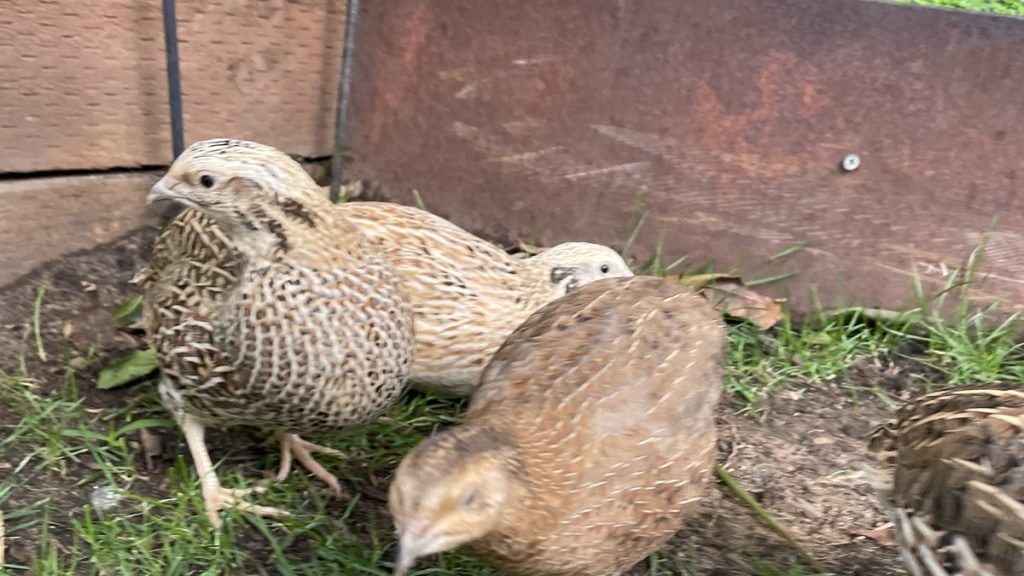
I keep chickens and quails, and I sell incubators and brooding gear at the pet store I work in, so I get to see both the excitement and the disappointment. Hatching your own is genuinely one of the best things about keeping poultry. It is also the thing people most often get wrong on the first attempt, and almost always for the same two reasons.
Picking the best egg incubator in Australia is less about the brand on the lid and more about two features: whether it turns the eggs for you, and whether you can actually see and control the humidity. This guide covers what to look for, what quail eggs need that chicken eggs do not, and the piece of equipment most people forget to budget for.
A reliable small incubator costs about $90 to $200 in Australia. Entry level units holding 8 to 24 eggs run $90 to $180, mid-range 24 to 48 egg models with proper humidity control are $150 to $300, and cabinet incubators for real breeding start around $850. Automatic turning is worth every cent. Humidity control is the thing that actually decides whether your eggs hatch. Budget another $45 to $110 for a brooder heat plate, because the chicks need somewhere warm to go the moment they come out.
If you just want the short answer, I would start with Chickcozy 25 Egg Incubator, automatic turner, humidity control and a built in candler, the one I would start with.
Check price on AmazonAffiliate link. I may earn a small commission at no extra cost to you.
| Incubator type | Typical AU price | Notes |
|---|---|---|
| Mini, 4 to 12 eggs | $50 to $100 | Fun for kids, but hard to hold humidity steady |
| Standard 8 to 24 eggs, auto turn | $90 to $180 | Where most people should start |
| 24 to 48 eggs with humidity control | $150 to $300 | Janoel class, best hatch rates for the money |
| 72 to 144 eggs | $270 to $500 | Small breeder territory |
| Cabinet, 160 to 320 eggs | $850 and up | Serious breeding only |
| Brooder heat plate (you will need one) | $45 to $110 | Buy this instead of a heat lamp |
Sources (August 2026): Poultry Australia, Janoel incubator range, Rooster Farms, 24 egg incubator, Sustainable Hobby Farm, incubators, Uneek Poultry, egg and cabinet incubators
You Are Buying a Brooder Too, Not Just an Incubator
This is the one that catches people out, and it is the reason I always ask what else someone has at home before I sell them an incubator.
Chicks hatch, they dry off, and then they need somewhere that sits at about 32 to 35 degrees for the first week, dropping roughly three degrees a week after that until they are feathered at around six weeks. The incubator is not that place. You cannot leave them in it.
So the real cost of hatching is the incubator plus a brooder setup, which realistically means a heat source, a tub or box, bedding, a shallow waterer and a chick starter crumble. The heat source is the part worth spending on, and I would put another $45 to $110 aside for it before you buy anything else.
If you skip this and plan to sort it out later, you will be doing it in a hurry with wet chicks in your hands, which is how people end up with a heat lamp clamped to a cardboard box.
Quail Eggs Are Not Just Small Chicken Eggs
Since I keep quails as well as chickens, this comes up a lot, and most general incubator advice quietly assumes you are hatching chickens.
The differences that matter:
- Timing. Coturnix quail hatch at about 17 to 18 days. Chickens are 21. If you set both at once you will be opening the lid at the wrong moment for one of them
- Trays. You need a quail-specific tray or insert. In a standard chicken tray the eggs roll around and the automatic turner does not grip them properly, so they do not get turned at all
- Chick size. Newly hatched quail are astonishingly small. They drown in a normal chick waterer. Put marbles or pebbles in the water tray for the first fortnight so they can drink at the edges without falling in
- Escape. They can get through gaps you would not believe. A brooder that holds chicks will not necessarily hold quail chicks
The upside is that quail go from egg to laying in about six to eight weeks, which is dramatically faster than chickens, and they take up a fraction of the space.
Automatic Turning Is Worth It, and Manual Turning Is Not Romantic
Eggs have to be turned so the developing embryo does not stick to the inside of the shell membrane. In nature the hen does it constantly.
Manual turning means physically rotating every egg three to five times a day, every day, for the best part of three weeks, ideally including odd hours. People start out determined and then real life happens. Miss it repeatedly and you get eggs that fail partway through, or chicks that make it to hatch day and cannot get out because they are stuck to the membrane.
An automatic turner rotates the tray every one to two hours without you thinking about it. On a $90 to $180 incubator it is close to standard now, and I would not buy one without it. It is the single feature that most improves a beginner’s hatch rate, because it removes the part that depends on your memory.
Humidity Is What Actually Decides Your Hatch Rate
If automatic turning is the feature that saves you from yourself, humidity is the one that separates a good hatch from a tray of disappointment.
As a general guide, most people run about 45 to 55 percent relative humidity for the main incubation period, then raise it to roughly 65 to 70 percent for the last three days, which is called lockdown. Too dry and the membrane toughens and the chick cannot cut its way out. Too wet and the air cell never develops properly and the chick can drown on internal pipping.
The problem with the cheapest incubators is not that they lack humidity control, it is that many have no humidity readout at all, so you are guessing. That is the main reason budget hatches disappoint. If you buy a unit without a display, add a cheap external hygrometer with a probe. It costs very little and it turns guessing into managing.
Australian conditions matter here too. A dry Adelaide or Perth summer and a humid Brisbane wet season are completely different starting points, so do not blindly follow a figure from an overseas video.
Capacity: Buy for the Hatch You Want, Not the Eggs You Have
Hatch rates are never 100 percent, even for experienced people. A realistic expectation for a home setup with decent fertile eggs is somewhere around half to two thirds making it to hatching.
So if you set 12 chicken eggs you might get seven or eight chicks, and roughly half of those will be roosters. That can leave you with three or four hens from a full tray, which is often fewer than people picture.
The rooster problem is worth thinking about before you start, not after. Most Australian councils do not permit roosters on residential blocks, and rehoming young roosters is genuinely difficult because everyone hatching has the same surplus. Have a plan.
For most backyard keepers a 12 to 24 egg unit is the sweet spot. Big enough to give you a usable number of hens, small enough that you are not overrun.
Why I Steer People Away From Heat Lamps
Heat lamps are the traditional answer and I do not recommend them for home brooding.
The first reason is fire. A ceramic or infrared bulb running for weeks in a shed, near straw and pine shavings, on a clamp that can be knocked, is a genuine risk, and shed fires from brooder lamps are not rare.
The second reason is behavioural. A lamp heats the whole space and floods it with light, so chicks cannot escape the heat and never get a proper day and night cycle. A brooder heat plate works the way a broody hen does. The chicks duck underneath when they want warmth and come out when they do not, which lets them self-regulate from day one. They sleep better, they are calmer, and you are not lighting up a shed around the clock.
Heat plates cost about $45 to $110, which is not much more than a decent lamp and guard, and I think they are the clear upgrade.
Candling, and Knowing When to Leave the Lid Alone
Candling means shining a bright light through the shell to see what is developing inside. Most incubators now include a small LED candler, or your phone torch will do at a pinch.
Candle at about day seven and again around day 14 for chicken eggs, a few days earlier for quail. At day seven you are looking for a spidery network of veins and a small dark spot. Clear eggs are infertile and can come out. A distinct blood ring means it started and stopped, and those should come out too, because a rotting egg can burst and contaminate the whole tray.
Then, at lockdown, stop. For chickens that is day 18, for quail about day 14. Take the turner out, raise the humidity, close the lid and leave it closed. Opening it during hatching drops the humidity fast and can shrink-wrap a chick that is halfway out of the shell.
Waiting is the hardest part of the whole process. Chicks can take 12 to 24 hours from first pip to fully out, and they do not need help. Almost every intervention I hear about ends badly.
Recommended Incubators and Brooding Gear
These are the sorts of units I would actually recommend for a home hatch, plus the brooding gear you will need the moment the chicks are out. Remember to budget for the heat plate at the same time as the incubator, not after. (these are affiliate links)
This guide contains affiliate links. If you buy through them we may earn a small commission at no extra cost to you. I only point to gear I would actually use or sell.
Frequently Asked Questions
How much does an egg incubator cost in Australia?
About $90 to $200 for a reliable small unit. Entry level 8 to 24 egg incubators with automatic turning run $90 to $180, mid-range 24 to 48 egg models with proper humidity control are $150 to $300, 72 to 144 egg units are $270 to $500, and cabinet incubators start around $850. Budget another $45 to $110 for a brooder heat plate, which you will need as soon as the chicks hatch.
Do I need an automatic egg turner?
Yes, for almost everyone. Eggs must be turned three to five times a day for about three weeks so the embryo does not stick to the shell membrane. Doing that by hand depends entirely on your memory and most people slip. An automatic turner rotates the tray every one to two hours by itself and is close to standard on incubators from about $90 up. It is the single feature that most improves a beginner’s hatch rate.
How long do quail eggs take to hatch compared to chicken eggs?
Coturnix quail hatch at about 17 to 18 days, chickens at 21. Quail also need a quail-specific tray, because in a standard chicken tray the eggs roll and the automatic turner cannot grip them. Newly hatched quail are tiny and will drown in a normal chick waterer, so put marbles or pebbles in the water tray for the first couple of weeks. On the upside, quail reach laying age in about six to eight weeks.
What humidity should an egg incubator be set to?
As a general guide, around 45 to 55 percent relative humidity for the main incubation period, rising to about 65 to 70 percent for the final three days, known as lockdown. Too dry and the membrane toughens so the chick cannot cut out, too wet and it can drown on internal pipping. Many budget incubators have no humidity readout at all, which is the main reason cheap hatches disappoint, so add an external hygrometer if yours does not display it.
Should I use a heat lamp or a brooder plate for chicks?
A brooder heat plate. Heat lamps run for weeks near straw and shavings on a clamp that can be knocked, and shed fires from brooder lamps are not rare. Lamps also flood the brooder with light and heat the whole space, so chicks cannot escape the warmth or get a proper day and night cycle. A heat plate works like a broody hen, chicks duck under when they want warmth and come out when they do not. Plates cost about $45 to $110.