The reptile licence cost NSW is $65 per year for a Class 1 keeper licence, $110 for Class 2, and $185 for Class 3. These fees are set by the NSW Department of Planning and Environment under the Biodiversity Conservation Act 2016, and according to Animal Medicines Australia’s 2025 Pets in Australia report, reptile ownership in Australia has grown steadily, with hundreds of thousands of households now keeping native species. Demand for keeper licences has followed.
Reptile licence cost NSW ranges from $65 for a Class 1 keeper licence up to $185 for a Class 3 licence, paid to the NSW Department of Planning and Environment. These are government fees set under the Biodiversity Conservation Act 2016, renewed annually. Most first-time keepers applying for a Class 1 licence pay $65 upfront, plus $65 at each annual renewal.
Prices updated July 2026 from current Australian sources.
| Licence class | Annual fee | What it covers |
|---|---|---|
| Class 1 keeper licence | $65 / year | Common beginner species (bearded dragon, blue-tongue, common pythons) |
| Class 2 keeper licence | $110 / year | More advanced species including larger pythons and monitors |
| Class 3 keeper licence | $185 / year | Specialist and higher-risk species |
These are NSW Government licence fees only, set under the Biodiversity Conservation Act 2016 and renewed annually. They do not include microchipping (about $35 to $55 for many species), the enclosure, heating or the animal itself. Pensioner concessions apply.
Sources (July 2026): NSW Environment, Reptile keeper licences, Service NSW, Apply for a native animal keeper licence
What surprises most first-time applicants isn’t the licence fee itself. It’s the total cost of legal compliance once you factor in the enclosure, heating, veterinary care, and the animal purchase. MoneySmart’s pet ownership guide puts it plainly: the upfront cost of a pet is rarely the whole story. That’s doubly true for reptiles in NSW.
One thing worth flagging: these fees are for the licence itself. They don’t include the cost of the microchipping required for many species, which typically runs $35-$55 at a reptile-experienced vet. Some species also require transfer documentation when purchased, and that paperwork sits with the seller, not you. Check before you buy.
The licence is the easy part. The setup is what actually decides how the animal does, and it is where the money goes. My own bearded dragon setup in NSW lists every item and what it cost, and the thermostat guide covers the one purchase I would never compromise on.
A real-world example: what a first-time keeper in Western Sydney actually spends
Say you’re in Penrith and you want to keep a single bearded dragon. You’ve done your research, found a licensed breeder in the Blue Mountains area, and you’re ready to apply. Here’s what the actual cost looks like end-to-end in 2026.
The Class 1 licence fee is $65. A juvenile bearded dragon from a licensed keeper runs $80-$150 depending on morph. A decent starter enclosure (4 foot, glass, with a screen top) is $280-$420 new from a pet shop, or $100-$180 second-hand from a reptile Facebook group. A UVB basking lamp setup adds another $60-$110. Thermometer, substrate, hides, water bowl: another $40-$70.
Total first-year outlay: roughly $625-$915, of which the licence is less than 10%. The animal and enclosure are where the real money goes. Annual renewals after that are just the $65 licence fee plus food, vet visits (one check-up per year is sensible), and replacement consumables.
Keeper licence class comparison: what you actually need
Most people applying for the first time don’t need Class 2 or 3. But the class distinction matters because applying for a higher class without meeting the experience requirements will get your application rejected. Here’s a practical breakdown to help you figure out where you sit.
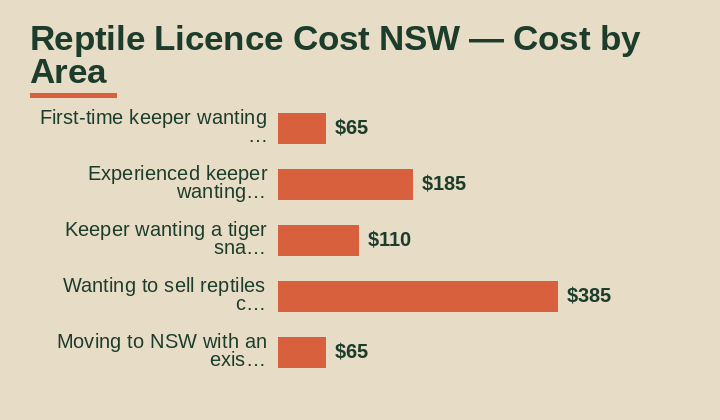
| Your situation | Likely licence class needed | Annual fee |
|---|---|---|
| First-time keeper wanting a bearded dragon or blue-tongue | Class 1 | $65 |
| Experienced keeper wanting to add a taipan or death adder | Class 3 | $185 |
| Keeper wanting a tiger snake or copperhead | Class 2 | $110 |
| Wanting to sell reptiles commercially | Dealer licence | $385 |
| Moving to NSW with an existing interstate reptile licence | Class 1 minimum (reapply) | $65 |
One thing that trips people up: Class 2 requires demonstrated Class 1 experience. You can’t skip straight to Class 2 if you’ve never held a licence. The application asks for species-keeping history, and NPWS does check. Don’t try to jump the queue.
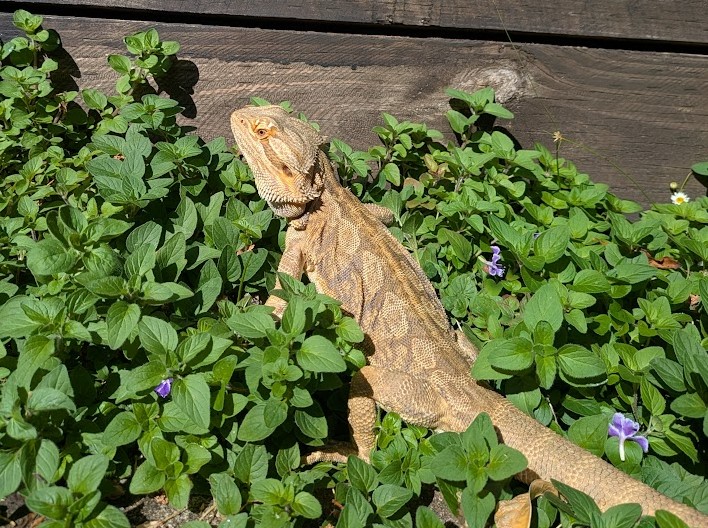
This little guy above is my bearded dragon Flick. For his reptile license in Australia, i paid $65 for the first year.
Where the price varies across NSW (and why)
The licence fee itself is fixed statewide. $65 is $65 whether you’re in Newtown or Broken Hill. But the associated costs of setting up legally do vary by location, and that affects your total outlay.
Vet access and reptile-experienced vets
In inner Sydney suburbs like Surry Hills and Newtown, there are several reptile-experienced vets within a short drive. A standard consultation runs $75-$110. Out in regional NSW, say Dubbo or Tamworth, reptile-specialist vets are less common. You may end up paying $120-$160 per consult or driving 90+ kilometres. This matters because NPWS can request welfare documentation in some circumstances, and regular vet visits aren’t just optional for serious keepers.
Enclosure costs in regional vs metro areas
Second-hand reptile gear is far more available in metro areas. Sydney’s reptile Facebook groups and classifieds move stock fast. In a town of 8,000 people, there may be one listing in six months. If you’re in regional NSW, budget closer to retail prices for your initial setup. That’s easily $150-$250 more than a metro buyer spending time on marketplace apps.
Transport and transfer documentation
If you’re purchasing a reptile from a licensed keeper who’s interstate or far away, transport costs add up. Interstate pet transport can cost $150-$400 depending on species, carrier, and distance. Some keepers prefer to drive to collect in person, which is fine but adds time and fuel to the equation.
Application processing for remote addresses
Not a major cost factor, but remote applicants who submit paper applications report longer processing times, sometimes 10-14 weeks. Online applications through the NSW Wildlife Licensing portal are faster regardless of where you live. Don’t let geography slow your approval down unnecessarily.
Class upgrade costs over time
If you start on Class 1 and later want to upgrade to Class 2, you pay the difference in the annual fee ($45 per year). You’ll also need to demonstrate experience, potentially get an assessment, and document your existing keeping history. Factor this into long-term planning if you have ambitions beyond your starter species. Also see our guide on specialist pet care costs in Australia for context on how reptile veterinary costs stack up.
Recommended Products for Reptile Licence Cost NSW
Some practical picks from Amazon Australia for this part of pet ownership (these are affiliate links):
Questions to ask before you apply
Is the species I want actually on the Class 1 list?
The NSW Department of Planning and Environment publishes a full list of permitted species by class. Don’t assume your chosen species is Class 1 just because it’s commonly kept. Some pythons are Class 2. Confirm this before applying, not after you’ve paid your $65 and built an enclosure.
Does the seller I’m buying from have a current licence?
Buying a reptile from an unlicensed person is illegal in NSW, even if you have a valid keeper licence. Always ask for the seller’s licence number and verify it’s current. NPWS can check this, and if your animal has dodgy provenance, you could lose it. Worth the 60 seconds to confirm.
Will my rental property allow reptile keeping?
Renters in NSW need landlord permission to keep pets, and some strata properties prohibit reptiles outright. Sort this out before you apply for the licence. Having a licence doesn’t override your lease obligations, and being forced to rehome a licensed reptile is stressful for the animal and costly in lost setup investment.
Does my enclosure meet the minimum standards before I get inspected?
NSW has minimum enclosure size requirements for each species. A bearded dragon needs at minimum a 90cm x 45cm x 45cm enclosure (and larger is better). NPWS doesn’t routinely inspect every new licence holder, but they can, and if a complaint is made, your setup will be assessed. Get it right from day one. A reptile terrarium starter kit designed to meet Australian standards is a reasonable starting point.
Am I prepared for the ongoing veterinary cost?
Reptiles are exotic animals, and not every vet can treat them competently. Find a reptile-experienced vet in your area before you get the animal, not during an emergency at 9pm on a Saturday. Annual wellness checks for a bearded dragon run $75-$120 at an experienced clinic. Emergency reptile consultations can hit $250-$400. This doesn’t appear on the licence application, but it’s a real ongoing cost of legal keeping.
What’s my plan if I can no longer keep the reptile?
This sounds pessimistic, but it’s a real question NPWS expects serious keepers to have thought about. Licensed reptiles can only be transferred to other licensed keepers. You can’t just release it, give it to an unlicensed friend, or drop it at a shelter. Have a plan. Herpetological societies often help rehome animals within the licensed community when keepers can’t continue.
Common mistakes that delay or derail applications
- Applying for the wrong class. Read the species list carefully. Many applicants apply for Class 2 when they only need Class 1, then wonder why NPWS asks for experience documentation they don’t have.
- Not having a compliant enclosure set up before applying. Some first-time applicants apply before they’ve bought any equipment. NPWS expects you to have a compliant enclosure ready. Applying speculatively without a setup in place can trigger additional questions.
- Buying the reptile before the licence arrives. You need the licence before you take possession of the animal. Full stop. The 4-8 week processing window means planning ahead, not buying impulsively and applying after.
- Letting the licence lapse and reapplying late. A lapsed licence means you’re technically in breach of the Act for every day you hold the animal without a current licence. NPWS doesn’t always chase this up immediately, but it’s not a position you want to be in. Renew early.
For context on what other pet costs look like when you factor in the full picture, it’s worth checking out dog boarding costs in Australia or pet dental cleaning prices to get a sense of how specialised animal care costs scale. Reptiles are cheaper in some ways (no grooming, no daily walks) and more expensive in others (specialist vets, specific equipment).
The reptile licence cost NSW itself is among the more affordable pet-related government fees in Australia. At $65 per year for a Class 1 licence, it’s not what breaks the budget. The enclosure, the specialist vet bills, and the setup costs are where you’ll feel it. Go in with realistic numbers, get your setup compliant before applying, and don’t rush the process by buying the animal first. For anyone comparing the total cost of keeping different pets, our pet vaccination cost breakdown and the mobile vet cost guide are worth a read alongside this one.
Frequently asked questions about reptile licence cost NSW
How much does a reptile licence cost in NSW in 2026?
A Class 1 keeper licence costs $65 per year. A Class 2 licence is $110, and a Class 3 licence is $185. These are government-set fees under the Biodiversity Conservation Act 2016, payable to the NSW Department of Planning and Environment.
Can I keep a bearded dragon without a licence in NSW?
No. Bearded dragons are native Australian reptiles and require at least a Class 1 keeper licence in NSW. Keeping one without a licence is an offence and can result in fines of several thousand dollars.
How long does it take to get a reptile licence in NSW?
Processing times vary. Online applications submitted through the NSW Wildlife Licensing portal typically take 4-8 weeks to process. Applying near the end of financial year can slow things down further. Don’t buy your reptile before the licence arrives.
What reptiles can I keep on a Class 1 licence in NSW?
Class 1 covers many popular species including blue-tongue lizards, bearded dragons, shingleback lizards, and several pythons such as the carpet python and children’s python. The full species list is published by the NSW Department of Planning and Environment.
Does a reptile licence cover me anywhere in Australia?
No. Each state and territory has its own wildlife licensing scheme. Your NSW licence only covers you in NSW. If you move to Queensland or Victoria, you’ll need to apply for a new licence in that state. Interstate transfers of reptiles also require permits. See our breakdown of pet relocation costs if you’re planning an interstate move with a reptile.
People Also Ask About Reptile Licence Cost NSW
Can I keep a wild-caught reptile on an NSW keeper licence?
No. Your keeper licence only allows you to keep reptiles sourced from other licensed keepers or licensed dealers. Taking reptiles from the wild is illegal in NSW regardless of what licence you hold, and carries significant fines under the Biodiversity Conservation Act 2016.
What happens if I keep a reptile without a licence in NSW?
Keeping a native reptile without a valid licence in NSW is a criminal offence. Penalties can reach $11,000 for individuals and higher for repeat offences. NPWS officers have powers to seize animals, and convictions can also affect your ability to obtain a licence in future.
Do children need their own reptile licence in NSW?
The licence is issued to the keeper, not the household. If a child is the primary keeper, a parent or guardian typically holds the licence and takes legal responsibility. There’s no minimum age set in legislation, but NPWS assesses applications on a case-by-case basis and expects the licence holder to be fully responsible for the animal’s welfare.
Can I breed reptiles on a standard keeper licence in NSW?
A standard keeper licence permits incidental breeding of licensed species, but selling offspring requires a separate reptile dealer licence, which is a commercial licence with its own application process and fees. If you’re planning to breed for sale, check with the NSW Department of Planning and Environment before you start.
What’s the difference between a reptile keeper licence and a reptile dealer licence in NSW?
A keeper licence is for private individuals who want to keep reptiles as pets. A dealer licence is a commercial licence allowing you to buy, sell, and trade reptiles. Dealer licences have stricter requirements, higher fees ($385 per year), and are subject to more regular inspections. Most people asking about reptile licence cost NSW are asking about the keeper licence.
Related Cost Guides
This guide contains affiliate links. We may earn a small commission from qualifying purchases at no extra cost to you.