
French bulldog desexing is one of those things where the quotes vary wildly, and there are real reasons for it beyond vet marketing. Frenchies aren’t like other dogs when it comes to surgery. According to the Australian Veterinary Association, brachycephalic breeds require specialised anaesthetic management that genuinely adds time, monitoring and cost to any procedure. That’s not a upsell. That’s anatomy.
In a hurry? Skip straight to our live Australian dog desexing cost calculator → Drag the sliders for a price that fits your pet.
French bulldog desexing cost Australia typically runs $400 to $900 for males and $600 to $1,800 for females, with brachycephalic anaesthetic monitoring adding $150 to $400 on top of standard rates. Prices are higher in Sydney, Melbourne and Brisbane inner suburbs. Females cost more because the surgery is more complex, and Frenchies specifically need vets experienced with flat-faced breeds.
Prices updated July 2026 from current Australian sources.
| Procedure | Typical cost | Notes |
|---|---|---|
| Male (castration) | $400 to $900 | |
| Female (spey) | $600 to $1,800 | More complex surgery |
| Brachycephalic anaesthetic monitoring | add $150 to $400 | Extra care for flat-faced breeds |
Frenchies need a vet experienced with flat-faced breeds, which is why they cost more than an average dog and why low-cost programs may not be suitable. Prices are higher in Sydney, Melbourne and Brisbane inner suburbs.
Sources (July 2026): National Desexing Network, RSPCA Australia, PetCloud, Vet prices in Australia
As a starting point, expect to pay somewhere between $400 and $1,800 depending on whether you have a male or female, which state you’re in, and the experience level of the clinic. The gap is real. I’ve spoken to Frenchie owners in Sydney’s inner west who paid $1,400 for a female desexing and others in outer Brisbane who paid $680 for the same procedure. Both were legitimate, experienced practices.
What this normally costs in 2026
Males are considerably cheaper to desex because orchidectomy (castration) is a much simpler procedure than an ovariohysterectomy. For a male French Bulldog, you’re looking at $400 to $900 at most private practices, with brachycephalic monitoring fees adding another $150 to $350 on top. Females run $600 to $1,800 all in. The higher end reflects inner-city Sydney or Melbourne clinics with more overhead and specialist anaesthetic staff.
The Animal Medicines Australia 2025 Pets in Australia report notes that veterinary costs remain the single biggest expense for dog owners, and surgical procedures like desexing are increasingly driving that number up. No surprise there.
| State | Average Cost (Female) | Typical Range |
|---|---|---|
| NSW | $1,050 | $700 to $1,800 |
| VIC | $980 | $650 to $1,600 |
| QLD | $890 | $580 to $1,400 |
| WA | $870 | $550 to $1,350 |
| SA | $820 | $520 to $1,200 |
| TAS | $800 | $500 to $1,100 |
| ACT | $950 | $620 to $1,500 |
| NT | $840 | $530 to $1,250 |
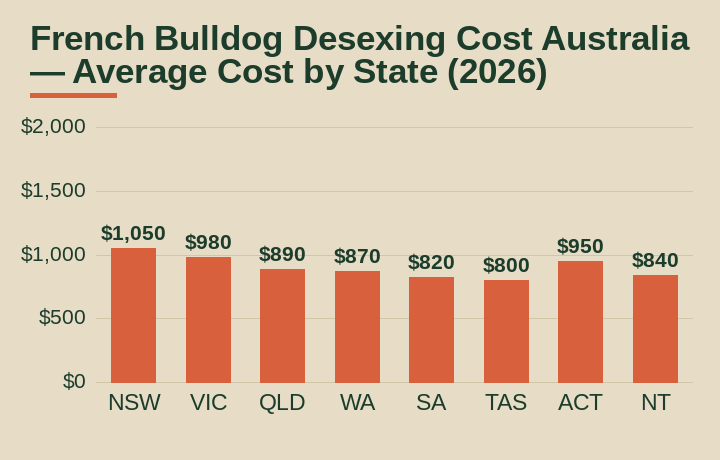
Male desexing runs roughly 30 to 40 percent less than female across all states. A male Frenchie in VIC averages around $590 to $850; in NSW expect $650 to $950. These figures include brachycephalic monitoring but not pre-surgical bloodwork if your vet recommends it (usually $80 to $150 extra).
Where the money actually goes
Most people look at a $1,200 quote for a female Frenchie desexing and assume they’re being charged too much. Sometimes that’s true. Often it’s not.
Brachycephalic anaesthetic risk
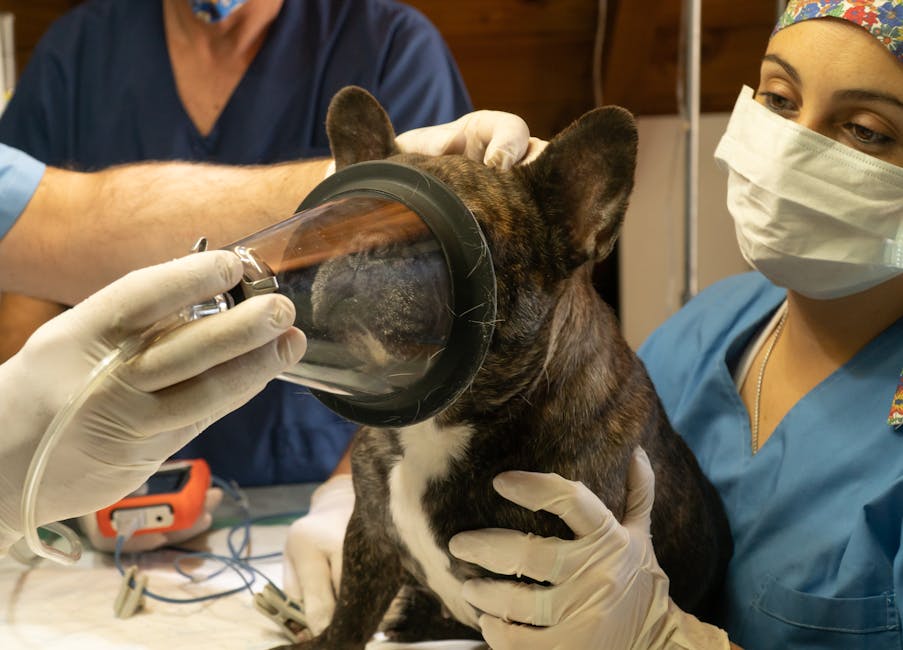
This is the biggest cost driver specific to French Bulldogs. Their compressed airways mean standard anaesthetic induction carries a higher risk of airway obstruction during recovery. Vets use specialised intubation techniques, keep the dog intubated longer, and monitor oxygen saturation more closely throughout. That extra vigilance typically adds $150 to $400 to what you’d pay for a Labrador of the same weight. If a vet quotes you the same price for a Frenchie as they would for a standard breed without mentioning brachycephalic considerations, that’s a question worth asking.
Male vs female surgery complexity
Castration in a male dog takes roughly 20 to 45 minutes for an experienced vet. A female spey involves opening the abdominal cavity, which takes 45 to 90 minutes and requires more surgical skill and post-op monitoring. That time difference translates directly to price. A male Frenchie desexing in Toowoomba runs around $450 to $650. A female at the same practice would be $750 to $1,050. That’s not a rip-off, it’s a genuinely different procedure. For more context on how dog desexing costs compare across all breeds, it’s worth seeing where Frenchies sit relative to the average.
Clinic location and overhead
A vet in Surry Hills or Fitzroy pays considerably more rent than one in Penrith or Geelong. That flows through to every procedure. Inner-city Sydney and Melbourne clinics can charge 20 to 35 percent more than outer suburban or regional practices. I’ve seen female Frenchie desexing quoted at $1,750 in Newtown and $870 in western Sydney for clinics with comparable reviews. Both included brachycephalic protocols. The difference is overheads, not quality.
Pre-surgical bloodwork
Many vets recommend pre-anaesthetic bloodwork, particularly for brachycephalic breeds. This checks liver and kidney function before putting the dog under. Cost is typically $80 to $150 on top of the surgery quote. Not every vet includes it as standard. Ask when you get the quote whether it’s included or optional, and whether they recommend it for Frenchies specifically.
Dog’s age and weight
Older or heavier Frenchies need more anaesthetic and longer monitoring. A 14 kg adult female Frenchie will generally cost more to desex than a 10 kg younger dog. Age-related complications or pre-existing conditions (common in the breed) can also push costs up. Some vets add a senior surcharge for dogs over 5 years. A healthy young male at 10 kg in Brisbane might come in at $520; the same clinic quoting for a 4-year-old 15 kg female with a history of respiratory issues might quote $1,350 or more. Depends a lot on what they find at the pre-surgical consult.
If your Frenchie is also due for a vaccination or a dental clean, ask whether combining appointments can reduce the number of anaesthetic events overall. It won’t always work timing-wise, but it’s worth the conversation.
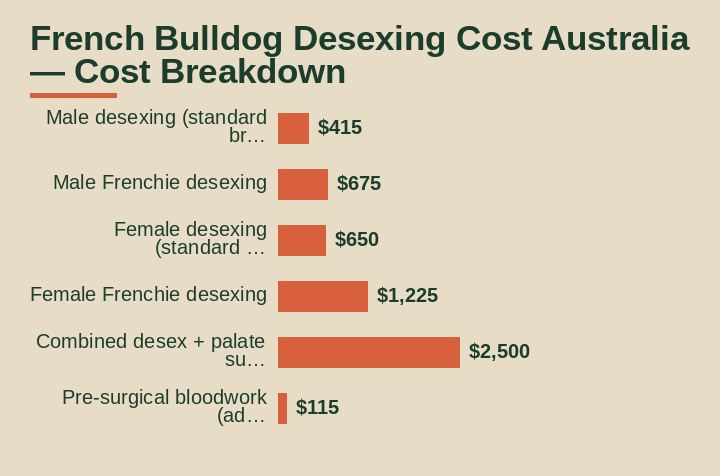
| Procedure Type | Average Cost | What’s Included |
|---|---|---|
| Male desexing (standard breed) | $280 to $550 | Surgery, standard anaesthetic, basic monitoring |
| Male Frenchie desexing | $450 to $900 | Surgery, brachycephalic anaesthetic protocol, extended monitoring |
| Female desexing (standard breed) | $400 to $900 | Surgery, general anaesthetic, standard post-op care |
| Female Frenchie desexing | $650 to $1,800 | Surgery, brachycephalic protocol, extended intubation, post-op observation |
| Combined desex + palate surgery | $1,500 to $3,500 | Both procedures under one anaesthetic event |
| Pre-surgical bloodwork (add-on) | $80 to $150 | Liver and kidney function check before anaesthesia |
The combined surgery option is worth discussing if your Frenchie has known breathing issues. One anaesthetic event instead of two is safer for a brachycephalic dog, and the total cost of combining is usually less than paying for two separate procedures. It won’t suit every dog or every vet, but it’s a legitimate option. You might also want to weigh this alongside what a mobile vet consultation costs if your dog is particularly anxious about clinic visits before a procedure.
Products Worth Considering
If you’d like to be prepared at home, these products from Amazon Australia are worth a look (these are affiliate links):
Questions to ask before you book
Do you have experience desexing brachycephalic breeds specifically?
This isn’t an insult to the vet. It’s a legitimate question. Frenchies, Pugs and Bulldogs carry real anaesthetic risk that not every general practice vet handles regularly. You want a vet who intubates flat-faced breeds routinely, not one who treats them the same as a Labrador. Ask how many they do per month.
Is brachycephalic anaesthetic monitoring included in your quote?
Some clinics quote a base surgery price and then add the specialist monitoring as a line item. Others include it upfront. You need to know which you’re getting, because the difference can be $200 to $400 on the final invoice. Get itemised quotes where possible.
Is pre-surgical bloodwork included or optional?
Some vets include it as standard for brachycephalic breeds; others offer it as an add-on. For a Frenchie, I’d want it done regardless. Ask whether it’s in the quote, and if not, add $80 to $150 to your mental budget.
How long will you keep my dog post-surgery?
Frenchies should be monitored longer post-op than most breeds due to airway sensitivity during recovery. A vet who plans to send your dog home an hour after surgery finishing gives me pause. Most good brachycephalic-experienced practices keep them for several hours of supervised recovery minimum. Ask specifically.
What pain management is included in the aftercare?
Some quotes include take-home pain relief; others charge it separately at $40 to $90. Ask what’s in the kit when you pick your dog up. You also want to know when to call the clinic if something looks wrong at home.
Do you offer payment plans?
If the quote is stretching your budget, ask directly. Many private clinics in Australia now offer Vetpay or similar interest-free arrangements. They won’t always volunteer this information. You have to ask.
A vaccination appointment is a good time to have this conversation with your vet before the desexing is scheduled, since you’re already paying for their time.
How to bring the cost down
- Get at least three quotes. Ring around, specifically asking about brachycephalic protocols. Prices vary $200 to $500 for the same procedure in the same city. Don’t just go with the closest clinic by default.
- Ask about council rebates. Some NSW, VIC and QLD councils offer $50 to $200 rebates when you desex and microchip at the same time. Check your local council website before booking. Most people don’t know these exist.
- Consider a university vet clinic. The Sydney University, University of Melbourne and University of Queensland vet schools operate clinics that charge 20 to 40 percent less than private practices. The supervising vets are qualified and experienced. The trade-off is longer appointments and less flexibility with scheduling.
- Bundle the pre-surgical consult with your annual check. Booking a separate pre-surgery consult can cost $70 to $110. If your Frenchie is due for a health check anyway, combine it and avoid the double consult fee.
- Book in autumn or early winter. Clinics get busy around Christmas and school holidays. Booking in a quieter period can mean shorter wait times and occasionally lower rates at clinics that price dynamically. Not guaranteed, but worth trying.
- Ask about a soft recovery collar before surgery so you’re not paying clinic prices for one on the day. They’re $15 to $35 online versus $40 to $60 at the vet.
If you’re comparing the cost of desexing against ongoing registration fees, it’s worth knowing that undesexed dogs attract higher council registration fees in most Australian states, sometimes $100 to $200 more per year. The desexing pays for itself over time for most owners. For a broader picture of what pet ownership actually costs, the MoneySmart pet ownership guide breaks down lifetime costs in a way that puts these one-off expenses into perspective.
Also worth thinking about is having a post-surgery recovery suit ready before you bring your Frenchie home. It’s a more comfortable alternative to the cone for covering the wound, and buying it online before the procedure is much cheaper than purchasing through the clinic.
If you’re weighing up whether to use a mobile grooming service to keep your Frenchie comfortable during the weeks of restricted outdoor activity post-surgery, that’s a reasonable consideration. You can also check boarding costs if you’re worried about leaving your dog alone during recovery.
French bulldog desexing cost Australia sits higher than the national average for dog desexing, and that’s unlikely to change given the breed’s anatomy. The brachycephalic premium is real and justified. What you can control is which vet you choose, whether you get multiple quotes, and whether you prepare for the recovery properly at home. Ring three clinics, ask the questions above, and don’t let sticker shock push you toward a vet with no brachycephalic experience. The anaesthetic risk is the part of this that genuinely matters. For owners also thinking about puppy training costs or longer-term planning around pet relocation, building desexing into your early budget planning makes the whole thing more manageable.
Questions We Get Asked Most
Why does French Bulldog desexing cost more than other breeds?
Frenchies are brachycephalic, meaning their flat faces and compressed airways make anaesthesia riskier. Vets need specialist monitoring equipment, longer recovery supervision, and often a more cautious drug protocol. That extra time and care adds $150 to $400 above what you’d pay for a Labrador or Border Collie of the same weight.
What is the best age to desex a French Bulldog in Australia?
Most Australian vets recommend waiting until 6 to 12 months for males and up to 12 to 18 months for females. Earlier desexing can be done from 8 weeks in some council pound contexts, but for a privately owned Frenchie, letting them develop a bit before surgery is generally considered better for joint and hormonal health. Ask your vet for their specific recommendation based on your dog’s weight and development.
Is French Bulldog desexing covered by pet insurance in Australia?
Standard desexing is considered an elective procedure and is excluded from most Australian pet insurance policies. However, some comprehensive plans or wellness add-ons through providers like Bow Wow Meow or PetSure do include desexing benefits. Read the product disclosure statement carefully before assuming it’s covered.
How long does recovery take after desexing a French Bulldog?
Most Frenchies are back to normal activity within 10 to 14 days. The first 48 to 72 hours are the most important, with restricted movement and monitoring for swelling, bleeding or breathing changes. Female Frenchies may need a full two weeks of rest given the more invasive nature of the surgery. Keep the wound dry and check it daily.
Are there low-cost desexing options for French Bulldogs in Australia?
RSPCA and some council-run vet clinics offer subsidised desexing programs, but availability is limited and wait times can stretch to several months. Given the brachycephalic anaesthetic risks specific to Frenchies, cheaper isn’t always better here. If cost is the issue, ask your vet about a payment plan or look at veterinary school clinics, which often charge 20 to 40 percent less than private practices.
What Else People Ask
Can a French Bulldog be desexed at the same time as another procedure?
Yes, vets often combine desexing with other procedures like soft palate correction or nare widening to reduce the number of times a Frenchie needs to go under anaesthesia. This makes sense for a breed where each anaesthetic carries real risk. Ask your vet if combining surgeries is appropriate for your dog’s age and health. The combined cost will be higher upfront but usually less than two separate procedures.
Do French Bulldogs recover differently from desexing compared to other dogs?
They do, particularly around breathing. Frenchies can be more sensitive to pain medication and sedatives, and post-operative swelling in the throat area can cause breathing difficulty in the first 24 hours. Most vets will keep a Frenchie for observation longer than they would a standard breed. At home, keep them calm, cool and away from stairs for at least the first week.
Does desexing change a French Bulldog’s temperament?
It can reduce hormonally driven behaviours like marking, humping and some forms of aggression, particularly in males. It won’t change your dog’s core personality. Some owners notice their Frenchie becomes calmer and easier to manage. Desexing a female eliminates heat cycles, which can reduce the stress-related behaviour that comes with those periods.
What happens if I don’t desex my French Bulldog?
Intact males have a higher risk of testicular cancer and prostate issues as they age. Intact females face higher rates of pyometra, a life-threatening uterine infection, and mammary tumours. There are also council registration cost differences in most Australian states, where undesexed dogs attract higher annual fees, sometimes $100 to $200 more per year.
How do I find a vet experienced with brachycephalic breeds in Australia?
Ask specifically whether the clinic regularly treats brachycephalic breeds and what anaesthetic monitoring they use. Referral specialist hospitals in Sydney, Melbourne and Brisbane have the most experience, but many suburban vets who see lots of Frenchies and Pugs are equally capable. Breed-specific Facebook groups are often the best source of local recommendations from other Frenchie owners in your area.
Related Cost Guides
This guide contains affiliate links. We may earn a small commission from qualifying purchases at no extra cost to you.