
What you’ll pay for a pet ultrasound depends on the type of scan, where you are, and whether you go to a general practice or a specialist centre. Ultrasound technology has become essential for diagnosing everything from pregnancy confirmation to heart disease and abdominal masses in dogs and cats. Understanding the costs involved helps Australian pet owners budget for this increasingly common diagnostic procedure.
Pet ultrasound cost Australia typically ranges from $250 to $600 in 2026, with abdominal scans averaging $350-$450, cardiac ultrasounds $400-$600, and emergency or after-hours scans potentially exceeding $800. Specialist veterinary hospitals in major cities charge more than regional general practices, and sedation adds $80-$150 to the total cost.
Prices updated July 2026 from current Australian sources.
| Scan type | Typical cost | Notes |
|---|---|---|
| Abdominal scan | $350 to $450 | |
| Cardiac ultrasound | $400 to $600 | |
| Emergency or after-hours scan | $800+ |
Sedation adds $80 to $150 to the total. Specialist veterinary hospitals in major cities charge more than regional general practices.
Sources (July 2026): PetCloud, Vet prices in Australia, Forbes Advisor Australia, Vet fees in Australia, RSPCA Australia
This guide breaks down exactly what you’ll pay for different types of pet ultrasounds across Australia in 2026, what factors influence pricing, and how to reduce costs without compromising your pet’s care.
How Much Does Pet Ultrasound Cost Australia?
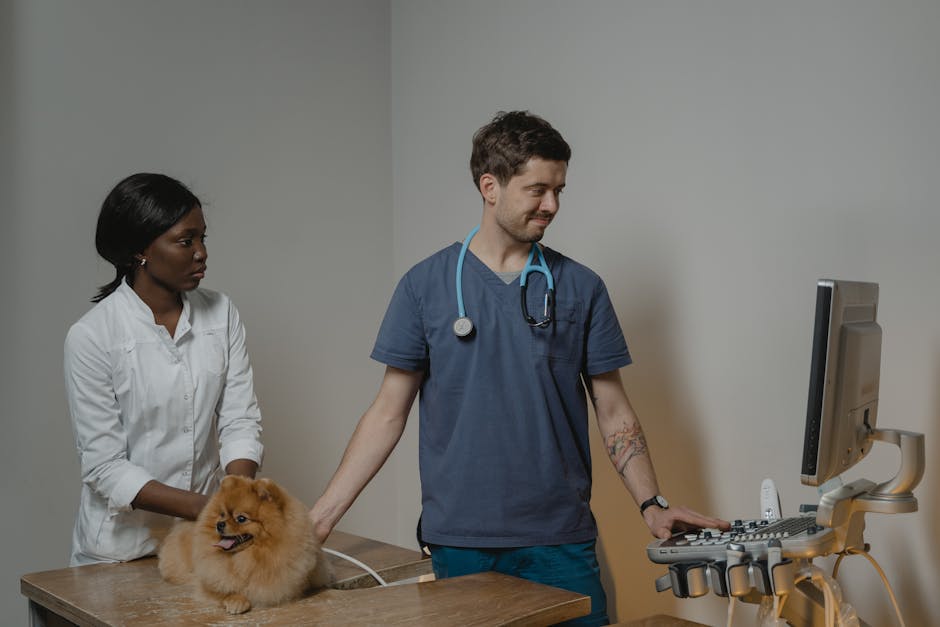
Pet ultrasound cost Australia in 2026 ranges from $250 for basic scans at regional clinics to over $800 for specialist emergency procedures. The national average for a standard abdominal ultrasound sits at $350-$450, while cardiac ultrasounds typically cost $400-$600. These prices usually include the consultation, scanning procedure, and a written report, but additional costs like sedation, after-hours fees, or specialist referrals can increase the total significantly.
Most veterinary practices require payment on the day of service, though some offer payment plans through providers like VetPay or other pet care financing options. The type of ultrasound, your pet’s size and temperament, and the complexity of the examination all influence the final cost.
What Affects Pet Ultrasound Cost Australia?
Several key factors determine how much you’ll pay for your pet’s ultrasound examination. Understanding these variables helps you anticipate costs and choose the most appropriate service for your situation.
Type of Ultrasound Examination
The specific area being examined significantly impacts pet ultrasound cost Australia. Abdominal ultrasounds ($300-$450) examine organs like the liver, kidneys, spleen, and intestines, and are commonly used to investigate vomiting, weight loss, or abnormal blood work. Cardiac ultrasounds or echocardiograms ($400-$600) assess heart structure and function, essential for diagnosing heart murmurs, arrhythmias, or breed-specific heart conditions. Pregnancy ultrasounds ($250-$350) confirm conception and count puppies or kittens. Emergency ultrasounds performed after hours can cost $500-$900 due to emergency fees. Specialist centres using advanced 3D or Doppler imaging charge premium rates, sometimes exceeding $700 for comprehensive examinations.
Veterinary Practice Type and Location
Where you have the ultrasound performed dramatically affects pricing. General veterinary practices in suburban areas typically charge $280-$450 for standard scans, offering the most affordable option for straightforward cases. Specialist veterinary hospitals with board-certified radiologists or cardiologists charge $450-$700 but provide expert interpretation for complex conditions. Emergency animal hospitals add after-hours premiums of $150-$300 to base rates. Regional and rural practices often charge 15-25% less than metropolitan clinics, though they may have limited ultrasound availability. Mobile veterinary services that bring portable ultrasound equipment to your home charge convenience fees of $100-$200 above standard clinic rates. According to the Australian Veterinary Association, specialist services account for the highest cost tier but offer advanced diagnostic capabilities.
Pet Size and Temperament
Your pet’s physical characteristics influence examination difficulty and duration. Large breed dogs may incur surcharges of $30-$80 due to the extended scanning time and equipment adjustments required. Anxious or aggressive pets that require sedation add $80-$150 to the total cost, plus additional monitoring time. Very small pets like cats or toy breeds sometimes need specialised high-frequency probes, though this rarely affects pricing at modern clinics. Uncooperative animals may require two staff members to safely restrain them, occasionally resulting in handling fees. Keeping a comprehensive health record helps vets understand your pet’s temperament and medical history before the procedure.
Preparation and Additional Services
Several supplementary services can increase the final bill beyond the base ultrasound cost. Pre-scan blood work to assess organ function adds $80-$150. Shaving or clipping the scan area for better image quality is usually included but may cost $15-$30 as a separate line item at some clinics. Consultation fees range from $60-$120 and are sometimes charged separately from the scanning procedure. Written reports with images sent to referring vets may incur $30-$50 documentation fees. Follow-up ultrasounds to monitor treatment progress sometimes receive 10-20% discounts for repeat visits within 30 days. Same-day results are standard, but rush interpretation by specialists can add $80-$120.
Insurance Coverage and Payment Options
Whether you have pet insurance significantly affects your out-of-pocket expenses. Comprehensive policies typically cover 70-90% of diagnostic imaging costs after deductibles are met, reducing your payment to $75-$180 for a $450 ultrasound. Accident-only policies won’t cover ultrasounds for illness-related investigations. Waiting periods of 30 days for illness coverage mean emergency ultrasounds within this window aren’t reimbursable. Annual limits on diagnostic procedures ($2,000-$5,000 across most policies) can cap coverage if multiple scans are needed. Pet owners considering insurance should review overall dog ownership costs to determine if coverage makes financial sense. Some veterinary practices offer payment plans through third-party providers, allowing you to spread the cost over 3-12 months with interest rates of 0-15%.
How to Save on Pet Ultrasound Cost Australia
While ultrasounds are necessary diagnostic tools, several strategies can help reduce costs without compromising the quality of care your pet receives.
- Request a referral from your regular vet first, Many specialists require referrals anyway, and your general practitioner may perform adequate diagnostic ultrasounds at 30-40% lower cost than specialist centres. Only escalate to specialists if your vet recommends it or the case is particularly complex.
- Compare prices between clinics, Call 3-4 local veterinary practices and ask for itemised quotes including consultation, scanning, sedation (if needed), and report costs. Prices can vary by $150-$250 between clinics in the same area for identical procedures.
- Ask about multi-pet or follow-up discounts, If you have multiple pets needing ultrasounds or require monitoring scans, many clinics offer 10-15% discounts for booking multiple procedures on the same day or within a month.
- Schedule during regular hours, After-hours and weekend appointments carry premiums of $150-$300. Unless it’s a genuine emergency, wait until normal business hours to reduce costs significantly. Having reliable pet first aid knowledge helps you assess whether immediate after-hours care is truly necessary.
- Inquire about payment plans before the appointment, Many clinics partner with VetPay, Zip, or other financing services offering interest-free periods. Arrange this before the procedure so you’re not pressured into decisions while worried about your pet’s health.
Recommended Products for Pet Ultrasound Cost Australia
If you’re tackling this yourself, here are some products from Amazon Australia that can help (these are affiliate links):
Understanding pet ultrasound cost Australia helps you make informed decisions about your pet’s diagnostic care in 2026. While prices range considerably based on scan type, location, and urgency, most standard ultrasounds fall between $300-$500 at general practices. Comparing quotes, scheduling during business hours, and leveraging pet insurance coverage can significantly reduce your out-of-pocket expenses. Ultrasounds are invaluable diagnostic tools that often prevent more expensive surgeries or treatments by catching conditions early. If your veterinarian recommends an ultrasound, discuss all associated costs upfront and explore payment options to ensure your pet receives the care they need without unexpected financial stress.
Frequently Asked Questions About Pet Ultrasound Cost Australia
How much does a pet ultrasound cost in Australia?
Pet ultrasound cost Australia ranges from $250 to $600 for standard procedures in 2026. Abdominal ultrasounds typically cost $350-$450, while cardiac ultrasounds range from $400-$600. Emergency or after-hours scans can exceed $800, and specialist referral centres in major cities charge premium rates.
Is pet ultrasound covered by pet insurance?
Most comprehensive pet insurance policies cover ultrasounds when they’re medically necessary for diagnosis or treatment. However, pre-existing conditions, routine check-ups, and elective procedures are typically excluded. Check your policy’s diagnostic imaging coverage limits and any applicable waiting periods before booking.
How long does a pet ultrasound take?
A standard pet ultrasound examination takes 30-60 minutes, depending on the area being scanned and your pet’s cooperation. Abdominal scans usually take 30-45 minutes, while cardiac ultrasounds may require 45-60 minutes. If sedation is needed, add an additional 15-30 minutes for preparation and recovery.
Do pets need to be sedated for ultrasounds?
Most pets don’t require sedation for ultrasounds, as the procedure is non-invasive and painless. However, anxious, aggressive, or very painful animals may need mild sedation to remain still. Sedation adds $80-$150 to the pet ultrasound cost Australia total and requires additional monitoring time.
What’s the difference between ultrasound and X-ray for pets?
Ultrasounds use sound waves to create real-time images of soft tissues, organs, and blood flow, making them ideal for examining abdomens, hearts, and pregnancies. X-rays use radiation to image bones and dense structures. Ultrasounds provide better soft tissue detail, while X-rays excel at detecting fractures and foreign objects. Costs are comparable, with both ranging $250-$500.
People Also Ask About Pet Ultrasound Cost Australia
Can I request a copy of my pet’s ultrasound images?
Yes, you can request copies of ultrasound images and reports from your veterinarian. Most clinics provide digital copies via email or USB at no extra charge, though some may charge $20-$50 for printed reports. These records are valuable for second opinions or referrals to specialists.
Do mobile vets offer ultrasound services in Australia?
Some mobile veterinary services offer portable ultrasound examinations, though availability is limited. Mobile ultrasounds typically cost 20-30% more than in-clinic scans due to travel fees and equipment transport. They’re most common in rural areas or for large animals that are difficult to transport.
How often do pets need ultrasounds for chronic conditions?
Monitoring frequency depends on the specific condition. Pets with heart disease may need cardiac ultrasounds every 6-12 months, while those with kidney disease might require abdominal scans every 3-6 months. Your veterinarian will create a monitoring schedule based on your pet’s individual needs and treatment response.
Are ultrasounds safe for pregnant pets?
Ultrasounds are completely safe for pregnant dogs and cats, using sound waves rather than radiation. They’re the preferred method for confirming pregnancy (from day 25-30), counting puppies or kittens, and monitoring foetal health. Most breeders schedule ultrasounds around day 28-35 of gestation for accurate counts.
What should I do to prepare my pet for an ultrasound?
Preparation varies by scan type. For abdominal ultrasounds, vets typically recommend fasting for 8-12 hours to reduce gas interference. For bladder scans, a full bladder is ideal, so withhold bathroom breaks for 2-3 hours. Cardiac ultrasounds usually require no special preparation. Your vet will provide specific instructions when booking.
Related Cost Guides
This guide contains affiliate links. We may earn a small commission from qualifying purchases at no extra cost to you.