
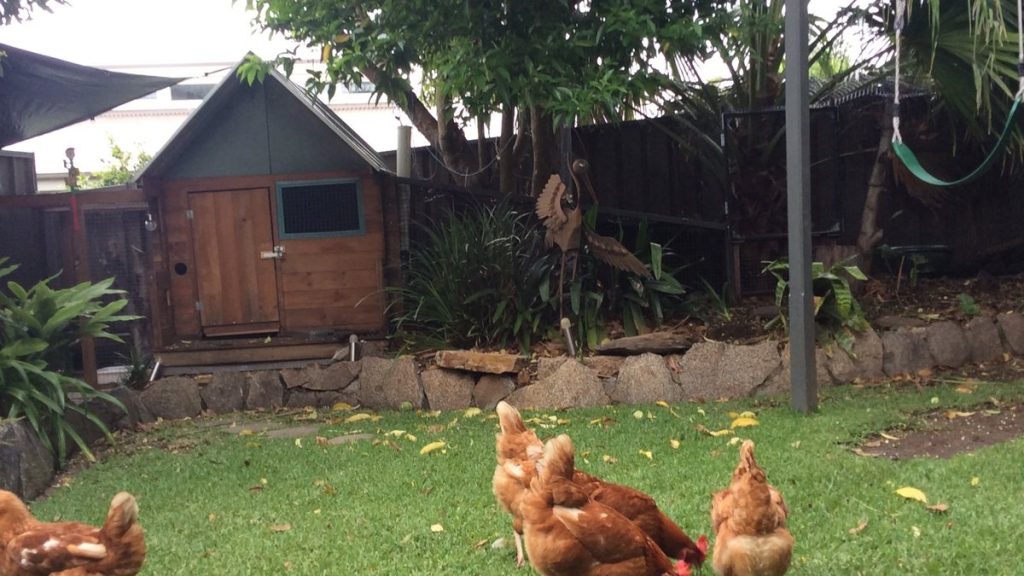
I keep a small flock of Isa Browns in a timber coop with a run attached, and I sell poultry gear at the pet store I work in, so coops are something I get asked about constantly. The honest answer is that most people buy the wrong one, and nearly all of them buy too small. Choosing the best chicken coop in Australia comes down to two questions: how many birds do you actually want, and can you physically reach every corner of it to clean.
Everything else, the paint colour, the cute little window, the shingled roof, is decoration. This guide covers what the capacity numbers really mean, what I would buy for a backyard flock, how to keep foxes out, and what it costs to run once it is up.
A good coop for three to six backyard hens costs about $250 to $700 in Australia. Small wooden hutch coops start around $60 and run to $180, but almost all of them are far too small for the number of birds they claim. Walk-in metal coops with an attached run sit at $250 to $700 and give you the most usable space per dollar. Premium timber farmhouse coops are $700 to $1,100. If you only take one thing from this guide, buy more space than you think you need.
If you just want the short answer, I would start with Costway Extra Large Walk-In Chicken Coop, the walk-in metal coop and run I point most people to, big enough to stand up in and hose out properly.
Check price on AmazonAffiliate link. I may earn a small commission at no extra cost to you.
| Coop type | Typical AU price | Notes |
|---|---|---|
| Small wooden hutch coop | $60 to $180 | Fine for two bantams, not the four hens it claims |
| Mid-size timber coop with run | $180 to $350 | Realistically three to four standard hens |
| Walk-in metal coop and run | $250 to $700 | Best value per bird, easiest to clean |
| Premium timber farmhouse coop | $700 to $1,100 | Looks good and lasts, big outlay |
| Roll-out nesting box (add on) | $80 to $160 | Cleaner eggs, fewer broken ones |
| Treadle feeder (add on) | $70 to $160 | Keeps rats and wild birds out of the feed |
Sources (August 2026): Bunnings, Chicken Coops
The Capacity Claim Is the Biggest Lie in Coop Marketing
A coop advertised as suitable for six chickens usually has a henhouse about the size of a large esky. It might technically fit six birds standing still. It will not keep six birds healthy.
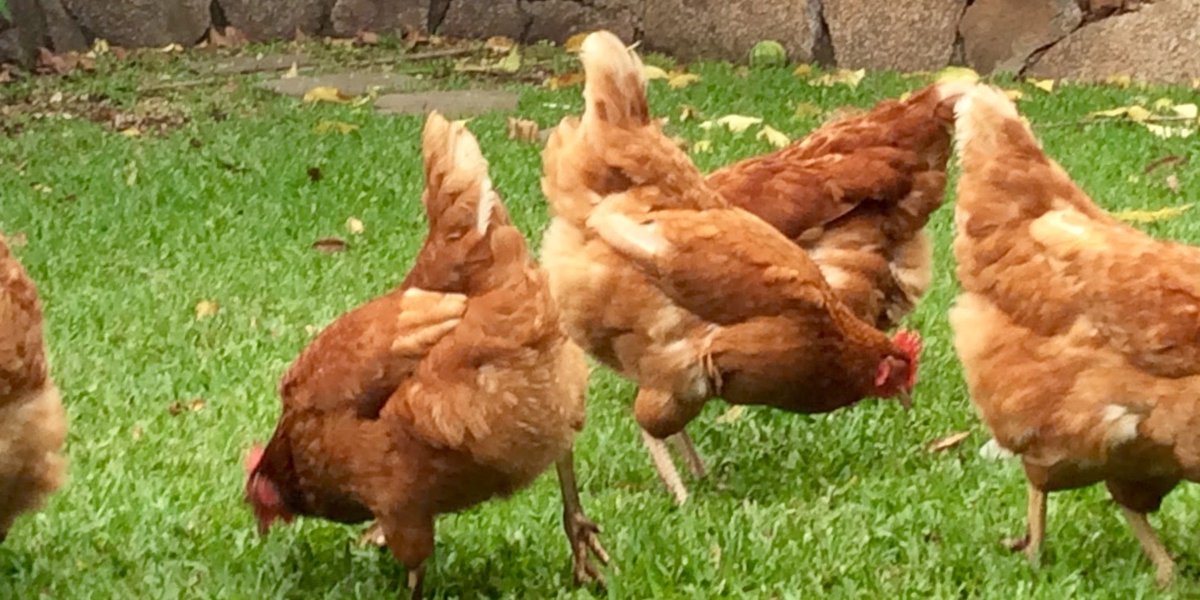
The numbers I work to are about 30cm to 40cm of perch space per standard hen inside the henhouse, and at least one square metre of run per bird if they are shut in most of the day. If they free range in the yard for a few hours you can be a bit tighter, but not much. Crowded birds start feather pecking, they bully whoever is at the bottom of the order, and disease moves through them fast.
The simple rule: halve the advertised number. A coop sold for six chickens is a three chicken coop. A coop sold for four is a pair. This one adjustment will save you from the single most common mistake in backyard poultry.
It is also worth checking your council before you buy, because a lot of Australian councils set a maximum number of birds for a residential block, and many ban roosters outright.
What I Would Actually Buy for a Backyard Flock of Four
For four standard hens on a normal suburban block, I would buy a walk-in metal coop and run in the $250 to $400 range, and put a small timber henhouse inside it for them to roost and lay in.
It sounds like the long way around, but it solves the two problems that make people give up on chickens. You get enough run space that the birds stay calm and the ground does not turn into bare mud in a month, and you can stand up inside it, which means you will actually clean it.
The alternative, and what I have at home, is a timber coop with a separate run attached. It looks better in a garden and it holds warmth on cold nights, but you are on your hands and knees to clean the henhouse, and timber needs oiling every year or two to survive Australian weather.
Walk-In Metal Versus Timber: What You Give Up Either Way
Both work. They fail in different ways, and the deciding factor in Australia is usually sun and rain rather than the birds.
Metal walk-in coops are cheaper per square metre, quick to assemble, and much easier to hose out. Mites have fewer places to hide because there are no timber joints. The weak point is the cover. The waterproof fabric on most of them perishes in full Australian sun in about two to three years, and a replacement cover is $60 to $150. Site it under shade and it lasts a lot longer.
Timber coops look better, insulate better on cold nights, and last for years if you keep them oiled. The trade-off is red mite, which lives in the cracks and joints and is genuinely difficult to clear once it is established, and weight, because most timber coops are not really movable once assembled.
Whatever you pick, shade matters more than people expect. Heat kills far more backyard chickens in Australia than cold does. A coop in full afternoon sun in a Queensland or Western Australian summer is a serious risk.
Predator Proofing Is Where the Cheap Coops Fail
Depending on where you live you are protecting against foxes, quolls, goannas, snakes, rats, and the neighbour’s dog. Foxes are in almost every Australian capital city, including well inside the suburbs.
The single most important thing to understand: chicken wire keeps chickens in, it does not keep foxes out. Standard hexagonal chicken wire tears open easily. Anything a predator can reach should be galvanised weld mesh, ideally 13mm to 25mm aperture. A lot of budget coops use flimsy wire and thin staples, and that is where they get opened.
Three things worth doing on any coop:
- Skirt the mesh outward along the ground about 30cm, or bury it, so a fox digging at the edge hits wire instead of dirt
- Replace single hook latches with a two-step latch or a barrel bolt, because foxes are genuinely good at working simple catches
- Shut them in at night, every night. A run is not a substitute for a locked henhouse after dark
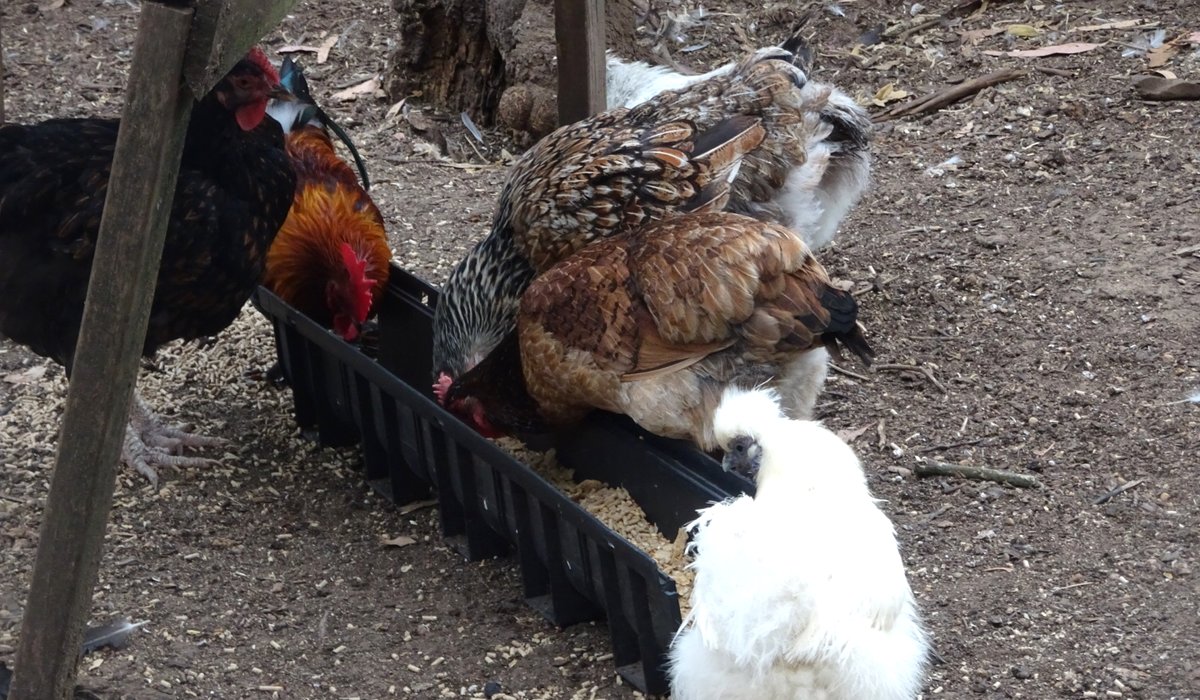
Rats are the quieter problem. They come for the feed, not the birds, though they will take eggs and occasionally chicks. A treadle feeder that only opens under the weight of a chicken is the most effective single fix.
The Cleaning Test: If You Cannot Reach It, You Will Not Clean It
This is the thing I would tell anyone standing in the aisle deciding between two coops. Open it up and ask yourself honestly whether you can reach the back corner without crawling.
If the answer is no, you will not clean it properly, and a coop that does not get cleaned properly gets mites, smells, and eventually gets abandoned in the corner of the yard. I have seen this play out plenty of times with customers who bought on looks.
Features genuinely worth paying for:
- Pull-out droppings trays under the perches, so the weekly clean is a two minute job instead of a twenty minute one
- A full-height door or a roof that lifts right off, not a small hatch
- Roll-out nesting boxes, where the egg rolls forward into a covered channel. Cleaner eggs, far fewer broken ones, and hens cannot sit in them and foul them
Nesting Boxes, Perches and the Bits That Actually Matter
You need one nesting box per three or four hens. Do not buy a coop with six boxes thinking you need them, because they will all queue for the same favourite box regardless of what you provide.
Perches need to sit higher than the nesting boxes. Chickens instinctively roost at the highest point available, so if the boxes are level with or above the perch they will sleep in the boxes and cover them in droppings, and then your eggs are filthy every morning.
For the perch itself, a flat bar with rounded edges, something like 50mm by 50mm timber, beats a round dowel. Chickens do not grip like parrots do. They squat flat and cover their feet with their breast feathers, which is how they keep their toes warm on cold nights. A thin round dowel leaves toes exposed.
What a Coop Costs to Run Once It Is Up
The coop is the one-off. The running costs are small but constant, and worth knowing before you commit.
Layer pellets are the main one, then bedding, which is usually straw, hemp or pine shavings depending on what you can get. Add mite powder a couple of times a year, and a replacement cover every few years if you went with a metal coop in the sun.
None of it is expensive, and the eggs offset a fair chunk of it, but the honest version is that backyard eggs do not really save you money once you have paid for the coop. You do it because the birds are good company and the eggs are better. I have the full breakdown in the cost guide linked below.
Recommended Coops and Coop Gear
These are the styles I would actually recommend, in the order I would consider them for a normal backyard flock. If you buy one upgrade beyond the coop itself, make it the treadle feeder. (these are affiliate links)
This guide contains affiliate links. If you buy through them we may earn a small commission at no extra cost to you. I only point to gear I would actually use or sell.
Frequently Asked Questions
How much does a chicken coop cost in Australia?
Expect about $250 to $700 for a coop that properly suits three to six hens. Small wooden hutch coops start around $60 and go to about $180 but are usually far too small for the number of birds advertised. Walk-in metal coops with a run are $250 to $700, and premium timber farmhouse coops run $700 to $1,100. Add $80 to $160 for a roll-out nesting box and $70 to $160 for a treadle feeder.
How many chickens can I keep in a coop?
Halve whatever the manufacturer claims. Work to about 30cm to 40cm of perch space per standard hen inside the henhouse and at least one square metre of run per bird if they are shut in most of the day. A coop advertised for six chickens realistically suits three. Also check your council, because many Australian councils cap the number of birds on a residential block and most ban roosters.
Is a metal or wooden chicken coop better in Australia?
Metal walk-in coops are cheaper per square metre, faster to clean, and give mites fewer places to hide, but the waterproof cover perishes in full Australian sun in about two to three years. Timber coops look better, insulate better on cold nights, and last for years if oiled, but red mite lives in the timber joints and they are heavy to move. Shade matters more than the material, because heat kills more backyard chickens here than cold does.
Will a chicken coop keep foxes out?
Only if it is built properly. Standard hexagonal chicken wire keeps chickens in but tears open easily, so anything a predator can reach should be galvanised weld mesh. Skirt the mesh outward about 30cm along the ground or bury it so a digging fox hits wire, replace single hook latches with a two-step latch or barrel bolt, and shut the birds into the henhouse every night. Foxes are present in almost every Australian capital city, well inside the suburbs.
Where should nesting boxes and perches go in a coop?
Perches must sit higher than the nesting boxes. Chickens roost at the highest point available, so if the boxes are level with or above the perch they will sleep in the boxes and foul them, and your eggs will be dirty every morning. Provide one nesting box per three or four hens, and use a flat perch around 50mm wide with rounded edges rather than a round dowel, because chickens squat flat and cover their feet to keep them warm.