
I keep a caique, so I can tell you first-hand that they’re the clowns of the parrot world, endlessly playful, bold, and a lot of bird in a small package. They’re also a serious commitment, in both price and time. Here’s what a caique actually costs to buy and keep in Australia in 2026.
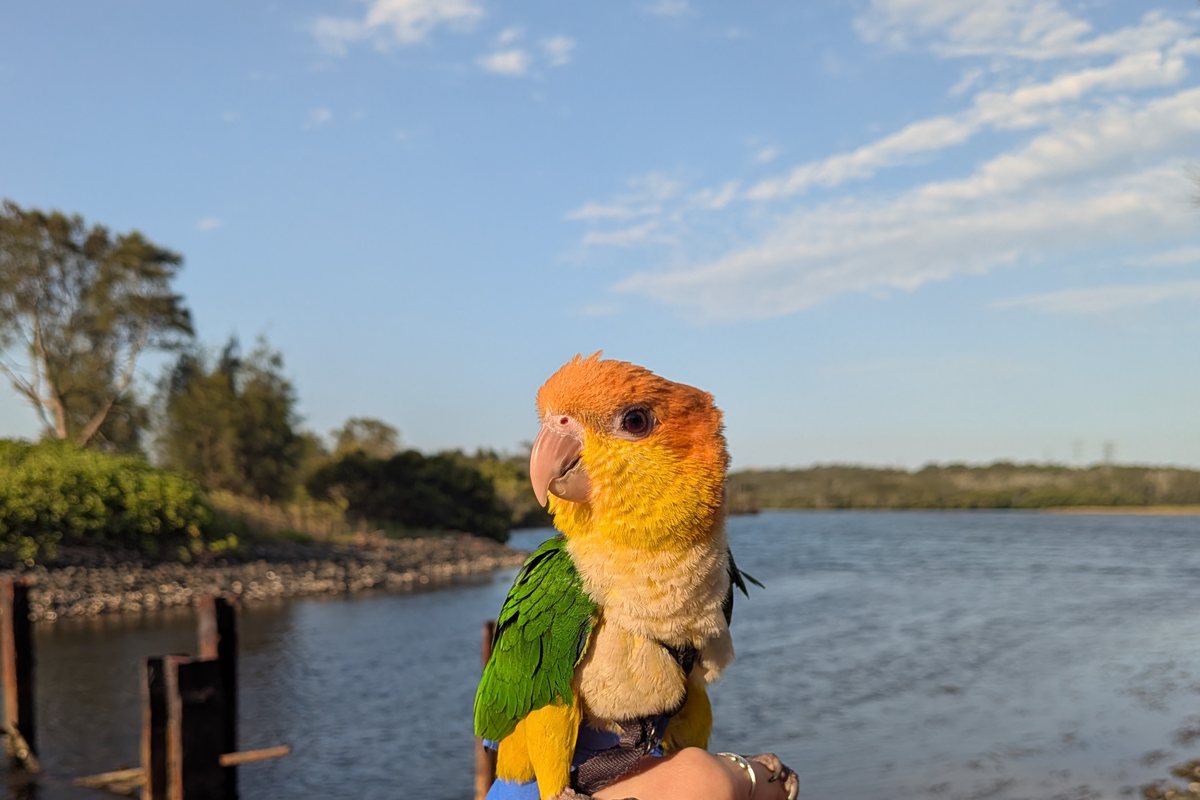
A hand-raised caique costs around $1,250 to $2,500 depending on the species, with black-headed caiques usually dearer than white-bellied. Add $200 to $600 for a good cage, plus ongoing food, toys and avian vet care. Budget $1,800 to $3,500 for your first year all up.
How much does a caique cost in Australia in 2026?
Prices updated July 2026 from current Australian sources.
| Item | Typical cost |
|---|---|
| White-bellied caique | $1,250 to $1,800 |
| Black-headed caique | $1,500 to $2,500 |
| Bonded pair | $2,400+ |
| Cage (large, suitable) | $200 to $600 |
| Food (pellets, fresh, some seed) | $30 to $60 per month |
| Toys (they destroy them) | $20 to $50 per month |
| Avian vet check | $80 to $200 per visit |
The purchase price is only the start. Caiques live for decades and chew through toys constantly, so the ongoing cost of enrichment and avian vet care is the part people underestimate.
Sources (July 2026): Victorian Bird Company, Quality Birds, and current Australian caique breeder listings., Pet Shop Direct
Where the money actually goes
The bird: a hand-raised caique is $1,250 to $2,500 depending on species, with black-headed caiques usually dearer than white-bellied. Hand-raised, DNA-sexed birds from a reputable breeder cost more, and they’re worth it. A well-socialised, healthy caique from someone who knows their birds saves you heartache and vet bills down the track.
The cage: caiques are small but incredibly active, so they need more room than their size suggests, plus horizontal bars to climb on. A suitable cage runs $200 to $600. Bigger is always better, because a bored caique in a cramped cage is a caique headed for behavioural problems.
Food: this is the thing I’d most want a new owner to get right. A caique needs a mix of quality pellets, fresh vegetables and fruit, and some seed, never an all-seed diet. Sunflower and safflower seeds are fine as an occasional treat, but a lot of birds will pick out only the sunflowers and ignore everything else, and those seeds are extremely high in fat, honestly about the equivalent of eating McDonald’s every day. A high-fat diet leads to health and behavioural problems, and the most common one is feather plucking. Getting the diet right from the start is the cheapest thing you can do.
Toys and enrichment: caiques are heavy chewers and need constant enrichment or they get bored and start plucking. Budget $20 to $50 a month for toys, and rotate them so they stay interesting. Foraging toys you make yourself are cheap and work brilliantly.
Avian vet: caiques need an avian or exotic vet, not a standard clinic, and a consultation runs $80 to $200. An annual check is a good idea, and birds hide illness so well that an early visit often saves money later. Over a 25 to 30 year lifespan, vet care is a real and ongoing part of the cost.
How to keep the cost down
- Buy from a reputable breeder. A healthy, well-socialised, hand-raised bird costs more up front but saves you far more in vet bills and behavioural problems later.
- Get the diet right from day one. A proper pellet-and-fresh-food diet is the single best way to avoid expensive vet visits for a caique.
- Make your own foraging toys. Caiques destroy toys constantly, and cardboard, paper and untreated wood foraging toys are almost free and just as good as shop-bought ones.
- Buy the biggest cage you can afford once. A roomy cage from the start beats upgrading later, and it heads off the boredom that leads to plucking.
- Consider adopting. Caiques do come up through bird rescues and rehoming, usually far cheaper than a breeder bird.
Recommended products
If you’re setting up for a caique, here are a few things from Amazon Australia that help:
Frequently asked questions
How much does a caique cost in Australia?
A hand-raised caique costs around $1,250 to $2,500. White-bellied caiques are usually the cheaper of the two at $1,250 to $1,800, while black-headed caiques run $1,500 to $2,500. Bonded pairs often sell for $2,400 or more.
Do caiques make good pets?
They’re wonderful, but demanding. Caiques are playful, bold and full of personality, often called the clowns of the parrot world. They also need a lot of interaction, out-of-cage time and enrichment, and they can be loud. They’re best for someone who has the time to spend with them every day.
What do caiques eat?
A proper caique diet is a mix of quality pellets, fresh vegetables and fruit, and some seed, never an all-seed diet. Sunflower and safflower seeds should only be an occasional treat, because they’re very high in fat and can cause health and behavioural problems like feather plucking.
How long do caiques live?
Caiques commonly live 25 to 30 years with good care. That makes them a genuine long-term commitment, so factor decades of food, toys and avian vet care into your decision, not just the purchase price.
Do caiques talk?
Not really. Caiques aren’t known as good talkers. They’re more about play, acrobatics and antics than mimicry, so if you want a talking parrot, a caique probably isn’t the one for you.
Related cost guides
This guide contains affiliate links. We may earn a small commission from qualifying purchases at no extra cost to you.