
Pet blood test cost Australia hits differently depending on what your vet orders and where you live. A routine check might set you back $120, while comprehensive disease screening can crack $400. Understanding what drives these prices helps you budget smarter and question unnecessary tests.
In a hurry? Skip straight to our live Australian vet visit cost calculator → Drag the sliders for a price that fits your pet.
Pet blood test cost Australia averages $120-$280 for standard diagnostic panels. A basic complete blood count (CBC) runs $85-$150, while full biochemistry profiles cost $150-$280. Specialised tests like thyroid panels or tick fever screening push prices to $200-$450. Emergency or after-hours testing adds $100-$200 to any test.
Prices updated July 2026 from current Australian sources.
| Test | Typical cost | Notes |
|---|---|---|
| Complete blood count (CBC) | $85 to $150 | |
| Full biochemistry profile | $150 to $280 | |
| Specialised tests (thyroid, tick fever) | $200 to $450 |
Emergency or after-hours testing adds $100 to $200. Blood work is often bundled with a consultation, so ask for an itemised quote.
Sources (July 2026): PetCloud, Vet prices in Australia, Forbes Advisor Australia, Vet fees in Australia, RSPCA Australia
Blood work isn’t something most pet owners think about until the vet mentions it. Then suddenly you’re nodding along to acronyms like CBC and wondering if you really need to spend $250 right now.
Routine bloods are usually the cheapest part of a workup and the part most standard policies will not touch, because preventative testing sits outside accident and illness cover. That split is explained in my guide to whether pet insurance is worth it.
How Much Does Pet Blood Test Cost Actually Run?
Pet blood test cost Australia breaks down into several testing tiers. A basic complete blood count (CBC) starts around $85-$150 and looks at red cells, white cells, and platelets. This test catches infections, anaemia, and blood clotting issues.
Biochemistry profiles step it up to $150-$280, checking how your pet’s organs are functioning. Kidney values, liver enzymes, blood sugar, electrolytes, it’s the comprehensive health snapshot vets use for sick pets or pre-surgery screening.
Specialised testing pushes pet blood test cost Australia even higher. Thyroid panels run $180-$260, tick fever screening costs $200-$320, and allergy testing hits $350-$450. These targeted tests investigate specific conditions rather than general wellness.
Around Sydney’s inner suburbs, you’ll pay top dollar. Melbourne and Brisbane sit slightly lower. Regional WA and SA clinics often charge 20-30% less than metro practices, though you’re using the same pathology labs.
| State | Average Cost | Typical Range |
|---|---|---|
| NSW | $215 | $120 to $380 |
| VIC | $198 | $105 to $350 |
| QLD | $225 | $130 to $420 |
| WA | $187 | $95 to $340 |
| SA | $192 | $100 to $335 |
| TAS | $178 | $90 to $310 |
| ACT | $208 | $115 to $365 |
| NT | $235 | $135 to $450 |
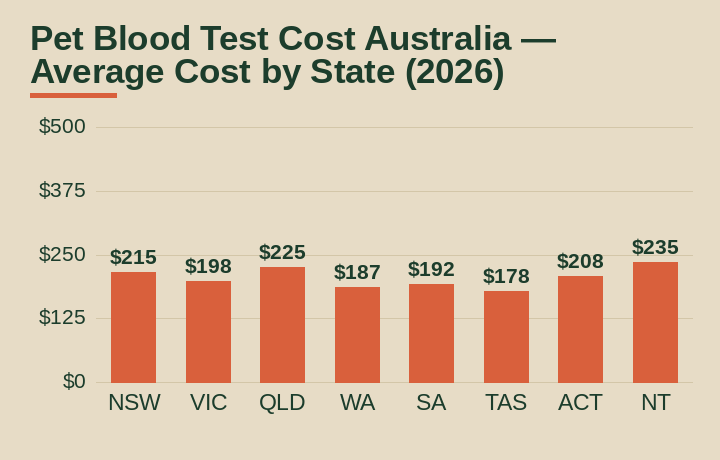
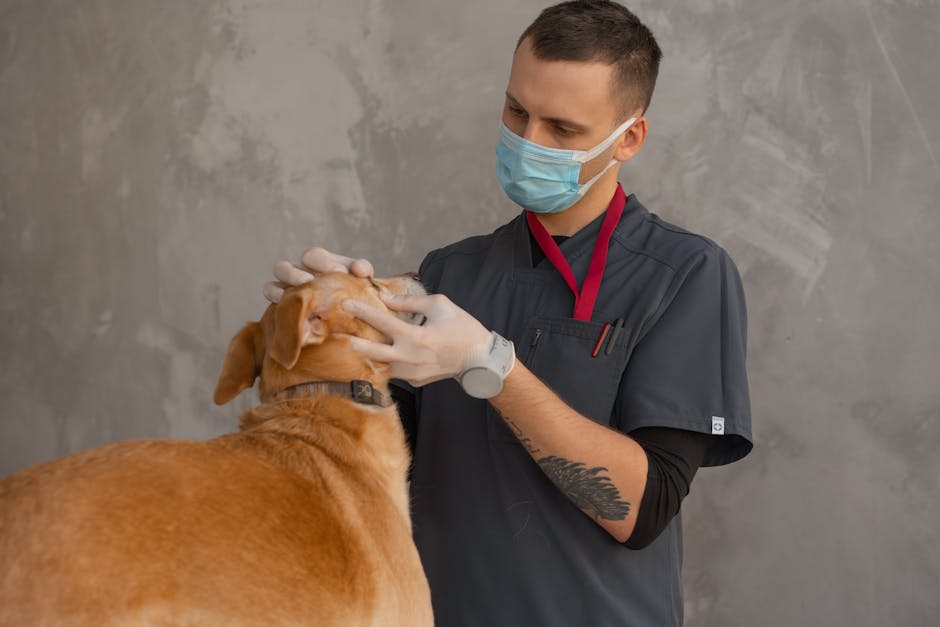
Queensland numbers run higher because tick fever testing is routine in coastal areas. NSW and ACT prices reflect metro-heavy populations where rents and wages push costs up. Tasmania’s lower figures come from fewer specialist clinics and more general practices handling routine work.
What Actually Affects Pet Blood Test Cost?
Type of Test Ordered
The biggest driver of pet blood test cost Australia is simply what your vet orders. A single CBC costs a fraction of a full senior wellness panel that includes biochemistry, thyroid, and urinalysis. Some tests get processed in-house on the clinic’s own machine, while others go to external labs like Gribbles or IDEXX.
In-house testing costs more per test but gives instant results. Labs are cheaper but take 24-48 hours. Emergency situations justify the premium, routine screening doesn’t.
Location and Clinic Type
Metro specialist clinics charge 30-40% more than regional general practices for identical blood work. They’ve got higher overheads, more equipment, and specialist vets who command premium rates. A mobile vet might charge differently again since they’re coming to you.
Corporate chains like Greencross price consistently across locations. Independent clinics vary wildly. Ring three local vets and you’ll get three different quotes for the same CBC and biochemistry combo.
Time of Day and Urgency
After-hours and emergency testing adds $100-$200 to standard rates. That $120 daytime CBC becomes $220-$280 at 11pm Saturday. Emergency vet costs stack up fast when you factor in consultation fees on top of pathology.
If it can wait until Monday morning, it should. Pet owners waste hundreds paying emergency premiums for non-urgent situations. A lethargic dog who’s still eating and drinking can probably see the regular vet next day.
Your Pet’s Cooperation Level
Difficult blood draws cost more. If your cat turns into a furry tornado or your dog won’t hold still, the vet might need sedation. That’s an extra $80-$150 plus monitoring time. Some pets need multiple attempts, which wastes expensive vet time that gets billed accordingly.
Keeping a pet health record organiser with past test results helps avoid repeating tests unnecessarily, which saves everyone time and money.
Age and Health Status
Senior pets need more comprehensive panels. A 12-year-old dog gets CBC, full biochemistry, and often thyroid testing, that’s $280-$380 right there. Young healthy pets might only need basic screening before desexing, which is much cheaper.
Pets with chronic conditions like diabetes or kidney disease need regular monitoring. These ongoing costs add up over years, making pet insurance or payment plans worth considering.
Processing Method
Some clinics run basic tests on portable analysers that give ballpark results in 20 minutes. Others send everything to professional labs for more accurate readings. Lab work is cheaper but slower. In-house is faster but costs 20-30% more.
For routine wellness checks, lab processing makes sense. For emergency diagnostics where you need answers immediately, you’ll cop the in-house premium.
Where You Can Genuinely Save
Bundle tests strategically. Pre-anaesthetic blood work is mandatory before surgery anyway, so add any other screening you’ve been putting off. Vets discount bundled pathology because they’re sending one sample instead of two separate submissions. You’ll save $30-$60 easily.
Question every recommended test. Vets sometimes suggest ‘wellness screening’ that isn’t critical for young healthy pets. A 3-year-old dog with no symptoms probably doesn’t need annual blood work. Ask directly: ‘Is this test necessary or just nice to have?’ Good vets respect the question.
Book standard hours religiously. That after-hours premium is brutal, $100-$200 extra for the same test. Unless your pet is genuinely deteriorating, wait for normal business hours. Most situations that seem urgent at midnight look less scary by morning.
Shop around without shame. Ring four local clinics and ask their CBC and biochemistry rates upfront. Quotes vary massively, and cheaper doesn’t mean dodgy if they’re using reputable labs. Just verify they use Gribbles, IDEXX, or similar established pathology services.
Using calming treats for vet visits can make blood draws quicker and easier, potentially avoiding sedation charges that add $80-$120 to your bill.
Consider targeted panels instead of full workups. If your vet suspects kidney issues, you don’t necessarily need the full 18-parameter biochemistry. A kidney-specific panel runs $90-$140 instead of $220-$280. This works best when investigating specific symptoms rather than doing general screening.
Check pet insurance before authorising tests. If you’ve got coverage, find out what’s claimable before the vet starts. Some policies cover diagnostic work but not wellness screening. Knowing this prevents you authorising $350 of tests when only $150 is covered.
Ask about payment plans for expensive panels. Most clinics offer Vetpay or similar services that split bills over 3-6 months interest-free. Better than skipping necessary tests because you can’t drop $400 today.
Understanding What Different Blood Tests Actually Check
Complete Blood Count (CBC) looks at your pet’s blood cells. Red cell count flags anaemia or dehydration. White cells show infection or inflammation. Platelets reveal clotting problems. This is the foundation test vets order for sick pets, pre-surgery checks, or investigating lethargy.
Biochemistry profiles examine organ function through 12-20 different parameters. Kidney values like creatinine and BUN catch early kidney disease. Liver enzymes spot hepatitis or toxin exposure. Glucose checks for diabetes. Electrolytes like sodium and potassium show dehydration or hormonal issues. This panel gives the big-picture health snapshot.
Thyroid testing measures T4 hormone levels. Hyperthyroidism is super common in older cats, causing weight loss despite eating heaps. Dogs get hypothyroidism more often, making them sluggish and fat. Thyroid panels cost $180-$260 as a standalone test.
Tick fever screening tests for diseases like Ehrlichia and Babesia, which paralysis ticks spread along Australia’s east coast. If you’re in tick territory and your dog seems off, this $200-$320 test can save their life by catching infection early.
Pre-anaesthetic panels combine CBC and basic biochemistry to ensure surgery is safe. This costs $160-$260 and is basically mandatory before any procedure requiring general anaesthesia. It catches hidden kidney disease, anaemia, or clotting issues that could turn surgery deadly. More about pre-surgery costs in our dog desexing guide.
When Blood Tests Are Actually Necessary
Before any surgery or dental procedure requiring anaesthesia, blood work isn’t optional. Vets need to know your pet’s organs can handle anaesthetic drugs. This pre-surgical screening has saved countless pets from anaesthetic complications.
When your pet shows concerning symptoms, vomiting, diarrhoea lasting more than a day, extreme lethargy, not eating, blood tests help diagnose what’s wrong fast. Trying to treat symptoms without knowing the cause wastes time and money on ineffective treatments.
Senior pets benefit from annual screening even without symptoms. Kidney disease, liver problems, and diabetes often develop silently. Catching them early through routine blood work means cheaper, more effective treatment. Annual checks for pets over 7-8 years old are genuinely worthwhile.
Pets on long-term medications like NSAIDs for arthritis need monitoring every 6-12 months. These drugs can damage kidneys or liver over time. Regular blood tests catch problems before they become irreversible. Your vet should automatically schedule these, if they don’t, ask why not.
When You Can Probably Skip Testing
Young healthy pets (under 5 years) with no symptoms don’t need annual blood work as routine wellness screening. It’s nice to have baseline values, but honestly it’s not critical. Save that $200-$280 for when they’re actually sick or senior.
If your pet had comprehensive panels done within the past 6 months and nothing’s changed symptom-wise, you can often skip retesting before minor procedures. Talk to your vet about using recent results instead of repeating everything.
Some vets push pre-breeding panels that aren’t essential unless you’re dealing with purebred lines prone to genetic issues. For typical family pets having a litter, basic wellness checks usually suffice without spending $350+ on comprehensive screening.
Recommended Products
If you’d like to be prepared at home, these products from Amazon Australia are worth a look (these are affiliate links):
Pet Blood Test Cost by Specific Test Type
Basic CBC alone: $85-$150. Every clinic offers this. It’s the starting point for investigating almost any health concern.
Full biochemistry profile: $150-$280. Usually ordered alongside CBC when pets are properly unwell or before surgery. Combined CBC and biochemistry (called a ‘wellness panel’ or ‘pre-anaesthetic panel’): $220-$350.
Thyroid panel: $180-$260. Essential for older cats losing weight or lethargic dogs gaining weight unexpectedly. Often bundled with biochemistry for senior screening.
Tick fever screening: $200-$320. Only relevant in tick-prone areas along the east coast. Covers multiple tick-borne diseases in one panel.
Heartworm test: $45-$75. Quick in-house test using a few drops of blood. Takes 10 minutes. Often done during annual vaccination visits.
FIV/FeLV combo test (cats only): $65-$95. Checks for feline immunodeficiency virus and feline leukaemia virus. Recommended for all new cats, especially rescues or outdoor cats.
Allergy testing: $350-$450. Identifies specific environmental or food allergens. Often done after ruling out other causes of itching and skin issues. Some vets send these to specialist labs which pushes the price up.
Progesterone testing (breeding): $85-$120 per test. Breeders use this to time mating perfectly. Usually requires multiple tests over several days, so total costs hit $250-$400 per cycle.
Comparing Vet Clinic Options
Corporate chain clinics like Greencross Vets price consistently across locations. You’ll pay similar rates whether you’re in Bondi or Bendigo. They’ve got standardised pricing structures and less room for negotiation. Blood work at Greencross typically runs mid-range, not cheapest, not most expensive.
Independent vet clinics vary massively. Some regional practices charge barely above cost for pathology, making money on consultations instead. Others price blood work higher to cover expensive in-house analysers. It’s worth ringing around because the same CBC and biochemistry panel might be $180 at one clinic and $280 at another 5km away.
Specialist referral centres (animal hospitals, veterinary emergency centres) charge premium rates. Their blood work costs 40-60% more than general practice, but you’re paying for specialists, advanced equipment, and 24/7 availability. Only use these for genuinely complex or emergency cases.
Mobile vets often charge slightly less for blood work since they’ve got lower overheads than brick-and-mortar clinics. They send samples to external labs, so processing takes the standard 24-48 hours. Good option if you’ve got a pet who stresses badly at clinics.
University veterinary teaching hospitals offer excellent care at competitive prices. Students perform work under specialist supervision, keeping costs down. Expect to pay 15-25% less than private practices. Downside is slower service since students need more time for each procedure.
What Your Pet Insurance Actually Covers
Most pet insurance policies cover blood tests when they’re investigating a claimable condition. If your dog’s vomiting and the vet orders blood work to diagnose the cause, that’s usually covered. Routine wellness screening often isn’t unless you’ve got a premium policy with wellness benefits.
Pre-existing conditions won’t be covered. If your cat was diagnosed with kidney disease before you got insurance, future kidney-monitoring blood tests aren’t claimable. This is why getting insurance when pets are young and healthy matters.
Some policies include annual wellness benefits up to $150-$200. This can cover routine senior screening blood work. Check your policy wording carefully, many exclude pre-anaesthetic testing even though it’s medically necessary.
You’ll pay upfront and claim reimbursement later. Vets don’t deal directly with insurers except for larger claims. Budget for the full bill, then submit receipts to your insurer. Most pay within 5-10 business days.
Higher excess levels reduce premiums but mean you’re paying more before insurance kicks in. If your excess is $200 and blood work costs $230, you’ll only claim $30 back. Consider whether insurance actually saves money for routine care versus covering major emergencies only. Our pet vaccination guide covers similar insurance considerations.
Understanding Pathology Lab Choices
Most vets use either Gribbles Veterinary or IDEXX Laboratories for external blood testing. Both are massive professional pathology companies with excellent quality control. Results from these labs are highly reliable.
In-house analysers include brands like Catalyst, ProCyte, and VetScan. These machines cost $15,000-$40,000 and let vets run tests on-site. Accuracy is good for most parameters but can miss subtle abnormalities that full lab testing catches.
Turnaround time matters when choosing between in-house and external. In-house gives results in 15-30 minutes. External labs take 24-48 hours since samples get couriered overnight. For emergency situations, faster results justify higher costs. For routine screening, patience saves money.
Some specialist tests only certain labs can process. Tick fever panels, some hormone tests, and exotic disease screening might go to specialty pathology centres. This can add processing days and $50-$100 to costs.
For more guidance on routine pet healthcare costs, check out our guides on cat grooming and pet dental cleaning to budget comprehensively for your pet’s wellbeing.
Frequently Asked Questions
How much does a basic pet blood test cost in Australia?
A basic complete blood count (CBC) for pets costs $85-$150 across Australia. This covers red cells, white cells, and platelets. Most vets charge around $105-$120 for standard CBC screening. Regional clinics often sit at the lower end, while metro specialists charge closer to $150.
What’s included in a full pet blood panel?
A full blood panel combines CBC with biochemistry profile, checking kidney function, liver enzymes, glucose, electrolytes, and proteins. This comprehensive screening costs $220-$350 depending on your location. Vets typically recommend this for senior pets, pre-anaesthetic checks, or when investigating symptoms like lethargy or appetite loss.
Do emergency vets charge more for blood tests?
Yes, emergency blood tests cost significantly more. Expect to pay $100-$200 extra on top of standard rates. After-hours CBC might run $200-$280 instead of the usual $85-$150. Emergency clinics justify this with immediate processing and 24/7 staffing costs. If it’s not life-threatening, waiting for your regular vet saves serious money.
How often does my pet need blood tests?
Healthy adult pets don’t need routine blood work annually. Most vets recommend testing every 2-3 years for dogs and cats under 7 years old. Senior pets (7+) benefit from annual screening to catch kidney disease or thyroid issues early. Pets on long-term medications like NSAIDs need monitoring every 6-12 months.
Can I get pet blood tests bulk billed?
No bulk billing exists for veterinary services in Australia. Pet insurance covers blood tests if they’re investigating a claimable condition, but you’ll pay upfront and claim back later. Some pet insurance policies cover annual wellness blood work up to $150-$200. Pre-existing conditions won’t be covered, so read your policy carefully.
Other Questions Worth Asking
What blood tests do vets run on dogs?
The most common dog blood tests include complete blood count (CBC) for infection and anaemia, biochemistry for organ function, and thyroid panels for older dogs. Tick fever testing is big in Queensland and coastal NSW. Pre-surgery dogs get a combined CBC and biochemistry panel to check they’re safe for anaesthesia.
How long do pet blood test results take?
Standard blood test results come back in 24-48 hours since most clinics send samples to external labs like Gribbles. In-house analysers give results in 15-30 minutes but cost 20-30% more. Emergency tests are processed immediately. Your vet will call or text once results arrive, some now use apps to share reports directly.
Can pet blood tests detect cancer?
Blood tests can’t definitively diagnose cancer but may show suspicious patterns like abnormal white cell counts, anaemia, or elevated calcium. Some cancers cause specific biochemistry changes. If blood work looks odd, your vet will recommend imaging or biopsies for confirmation. Blood tests alone aren’t cancer screening tools.
Do cats need different blood tests than dogs?
Cats and dogs get mostly the same blood tests (CBC and biochemistry), but cats often need additional thyroid testing since hyperthyroidism is common in older felines. FIV and FeLV testing is cat-specific, running about $65-$95. Cat blood samples are smaller, so vets may struggle with difficult draws, occasionally requiring sedation which adds $80-$120.
Should I fast my pet before blood tests?
Most blood tests don’t require fasting, but glucose and lipid panels need 8-12 hours without food for accurate results. Your vet will tell you if fasting matters for the specific tests ordered. Water is always fine. If you forget and feed your pet, reschedule rather than get unreliable results, saves paying twice.
Making Smart Decisions
Pet blood test cost Australia doesn’t need to be a mystery or a budget killer. Understanding what different tests actually check, when they’re genuinely necessary, and how prices vary by location puts you in control. That $350 comprehensive panel might be essential for your 11-year-old cat, or it might be overkill for your healthy 3-year-old dog.
Ask questions. Challenge recommendations. Shop around. Good vets welcome informed pet owners who understand the ‘why’ behind testing rather than just nodding along. Your pet gets better care when you’re engaged with their healthcare decisions.
The right blood test at the right time saves money long-term by catching problems early when treatment is cheaper and more effective. The wrong test just drains your wallet without adding value. Focus spending on tests that actually change how you’ll care for your pet, and skip the nice-to-have screening that doesn’t affect treatment decisions.
Related Cost Guides
This guide contains affiliate links. We may earn a small commission from qualifying purchases at no extra cost to you.
Recommended next: Emergency vet cost calculator · Can’t afford an emergency vet bill?