
Reptile vet cost Australia catches many new keepers off guard. You’ll pay substantially more than you would for a cat or dog consultation, and finding a qualified vet isn’t always straightforward. Most standard clinics don’t handle reptiles at all.
Reptile vet cost Australia averages $120-$180 for a standard consultation with an exotic specialist. Basic check-ups start around $85-$110, while complex treatments like surgery can hit $350-$800+. Emergency after-hours visits often double these rates. Location matters too, metro areas with exotic specialists charge 20-40% more than regional clinics.
Prices updated July 2026 from current Australian sources.
| Service | Typical cost | Notes |
|---|---|---|
| Basic check-up | $85 to $110 | |
| Standard consult (exotic specialist) | $120 to $180 | |
| Complex treatment or surgery | $350 to $800+ |
Emergency after-hours visits often double these rates. Metro areas with exotic specialists charge 20 to 40% more than regional clinics, and not every vet treats reptiles.
Sources (July 2026): PetCloud, Vet prices in Australia, Australian Veterinary Association, RSPCA Australia
Expect $120-$180 for a basic exotic vet consultation in metro areas. Regional rates drop to $85-$120 if you can find a vet who treats reptiles. Treatments, diagnostics and surgery push costs significantly higher, bloodwork alone runs $150-$280.
Location matters enormously. Sydney and Melbourne have multiple exotic specialists competing for business, while Hobart or Darwin might have one or two options total. That limited supply drives prices up outside major cities.
| State | Average Cost | Typical Range |
|---|---|---|
| NSW | $145 | $110 to $200 |
| VIC | $140 | $105 to $195 |
| QLD | $135 | $100 to $185 |
| WA | $150 | $115 to $210 |
| SA | $130 | $95 to $180 |
| TAS | $125 | $90 to $175 |
| ACT | $145 | $110 to $200 |
| NT | $155 | $120 to $220 |
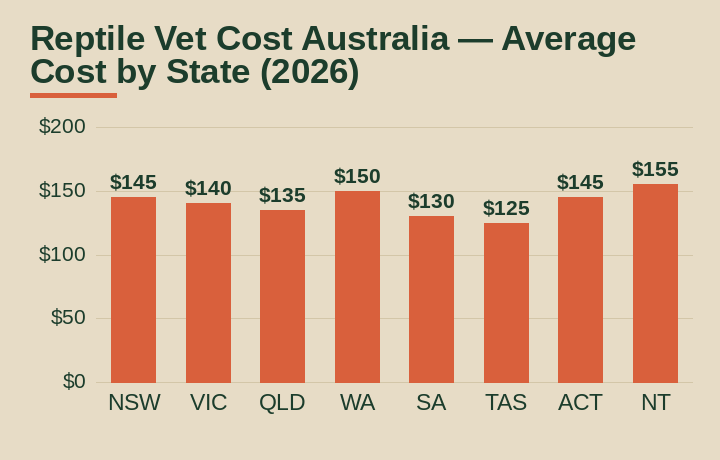
These figures reflect standard daytime consultations with an exotic animal vet. General practitioners who occasionally see reptiles charge 20-30% less, but you’re gambling on their experience level.
What Determines Your Reptile Vet Cost Australia?
Vet specialisation level: An AVA-registered exotic animal specialist charges $130-$200 per consultation versus $85-$120 for a general vet with some reptile experience. Specialists complete years of additional training and maintain specialised equipment. That expertise costs money, but it’s often worth it, misdiagnosis by an inexperienced vet can cost you far more in repeat visits and worsening health problems.
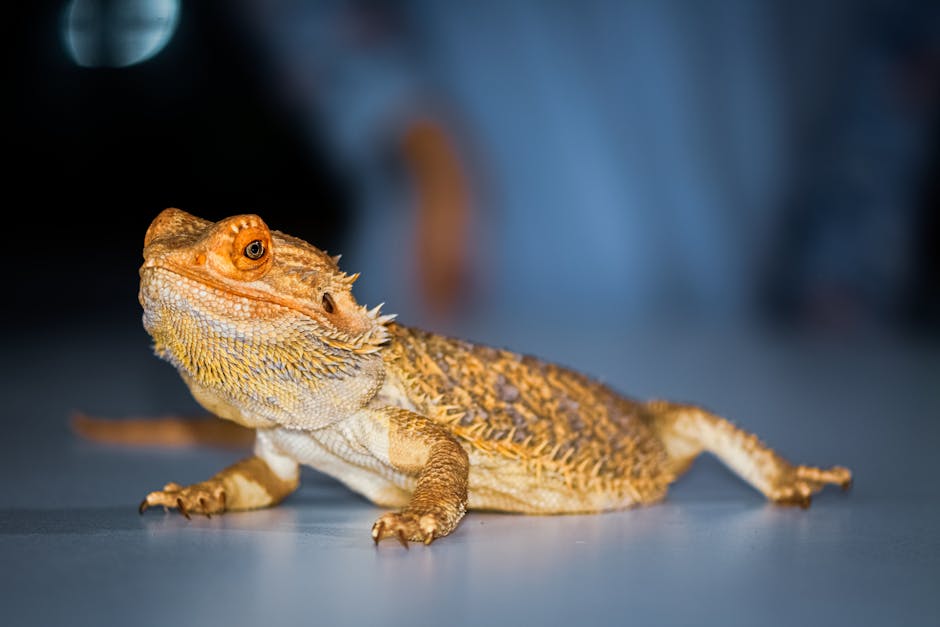
Species complexity: A bearded dragon check-up costs less than examining a venomous snake or large monitor lizard. Vets charge handling fees for dangerous species ($30-$80 extra) and some require two staff members present for safety. Aquatic turtles need different expertise than desert lizards, and some vets won’t see certain species at all. Ring ahead to confirm your reptile’s species is treated.
Diagnostic requirements: Bloodwork runs $150-$280, x-rays cost $180-$320, and faecal parasite screens are $45-$85. Reptiles often need sedation for imaging since stress affects results, adding another $80-$150. A consultation that starts at $140 becomes $400-$600 once you add diagnostics. Temperature readings matter too, maintaining proper husbandry with a quality thermostat for heating prevents many health issues that require expensive testing.
Treatment complexity: Medications range from $25 for a single antibiotic injection to $200+ for specialised compounds. Surgery starts at $500 for minor procedures and climbs to $2,500+ for complex operations. Hospitalisation costs $200-$400 daily. Metabolic bone disease treatment involves weeks of calcium injections, UVB therapy and dietary changes, total cost easily exceeds $800-$1,200. Prevention through proper supplementation is vastly cheaper.
Geographic location: Inner Sydney or Melbourne clinics charge 30-50% more than outer suburban practices. Regional areas have fewer exotic vets, so you’ll drive further but pay slightly less per visit. Darwin and Hobart residents often have only one or two reptile vet options, eliminating price competition. Some regional owners travel 200+ kilometres to access specialist care.
Time of visit: After-hours and weekend consultations cost 1.5-2x standard rates. A $150 weekday appointment becomes $225-$300 on Sunday. Emergency visits during public holidays can hit $400 just for the consultation before any treatment. Respiratory infections and egg binding don’t wait for business hours, unfortunately.
Recommended Products for Reptile Vet Cost Australia
If you’re tackling this yourself, here are some products from Amazon Australia that can help (these are affiliate links):
Reptile vet cost Australia reflects the specialised nature of exotic animal medicine. You’re paying for years of additional training, specialised equipment, and expertise that simply doesn’t exist at your local dog-and-cat clinic. Budget $120-$180 for routine visits and keep $500-$1,000 aside for emergencies or unexpected health issues. Proper husbandry prevents most problems, but when you need an exotic vet, you really need one, and they don’t come cheap. If you’re considering vaccination costs for other pets, remember reptiles skip that expense entirely. For keepers of multiple exotic species, understanding alternative treatment costs can also help with budgeting, though these services remain rare for reptiles. Around Brisbane, some clinics now offer mobile exotic vet services that come to your home, which can reduce transport stress for nervous reptiles. Building a relationship with a qualified exotic vet before emergencies strike saves you money and stress. Shop around when you first acquire a reptile, compare consultation fees, and choose someone knowledgeable about your species. That initial research pays off when your blue-tongue skink develops respiratory issues at 11pm on a Saturday. Insurance might seem excessive for a $200 bearded dragon, but one surgery can exceed the dragon’s purchase price tenfold. Weigh the math based on your reptile’s species, age, and your financial buffer. The ACCC recommends getting written quotes before agreeing to expensive procedures. Most exotic vets are transparent about costs since they know their services aren’t cheap. Using a accurate thermometer and hygrometer combo to maintain perfect enclosure conditions prevents the majority of health problems that send reptiles to the vet. Prevention beats treatment every time, especially when treatment starts at $150 just to walk through the door.
Frequently Asked Questions About Reptile Vet Cost Australia
Do all vets treat reptiles in Australia?
No, most general vets don’t treat reptiles. You’ll need an exotic animal specialist or a vet with specific reptile experience. Around 15-20% of Australian veterinary clinics handle reptiles, mostly in metro areas. Regional owners often drive 1-2 hours to reach a qualified reptile vet. The Unusual Pet Vets are a great vet who treat and look after reptiles. They are all most states in Australia.
How much does a reptile health check cost?
A standard reptile health check costs $85-$180 depending on your location and whether you’re seeing a general vet or exotic specialist. Metro exotic specialists charge $130-$180, while regional general vets who see reptiles occasionally charge $85-$120. This covers a physical exam and basic husbandry advice.
What’s the most expensive reptile vet treatment?
Surgery tops the list at $500-$2,500+ depending on complexity. Egg binding surgery for female reptiles costs $600-$1,200, while tumour removal or fracture repairs can hit $1,500-$2,500. Intensive care hospitalisation runs $200-$400 per day on top of treatment costs.
Are reptile x-rays more expensive than dog x-rays?
Yes, reptile x-rays typically cost $180-$320 compared to $150-$250 for dogs. The higher price reflects the specialist equipment and expertise needed. Some clinics charge extra for sedation since many reptiles need it for clear imaging, adding another $80-$150 to the bill.
Do reptile vets charge more for emergency visits?
Absolutely. After-hours reptile emergencies cost 1.5-2x normal rates. A consultation that’s $150 during business hours becomes $225-$300 on weekends or evenings. Emergency treatment for conditions like prolapse or respiratory distress can easily exceed $500-$800 including the call-out and initial stabilisation.
Smart Ways to Reduce Reptile Vet Cost Australia
- Maintain proper husbandry from day one. Most reptile vet visits stem from preventable husbandry mistakes, wrong temperatures, poor UVB, incorrect humidity. Setting up the enclosure correctly costs $200-$400 upfront but saves you $500+ in vet bills treating metabolic bone disease, respiratory infections or parasites.
- Schedule annual wellness checks during peak season. Book check-ups in winter (June-August) when clinics are quieter. Some exotic vets offer 10-15% discounts during slower periods. Even without a discount, you’ll get longer consultation time and better availability, saving you follow-up visit fees.
- Learn to do basic health assessments yourself. Check your reptile’s weight, skin condition, appetite and behaviour weekly. Catching issues like weight loss or lethargy early means a simple $120 consultation instead of a $400+ emergency visit. Most problems are cheaper to treat when identified fast.
- Ask about package deals for multiple reptiles. If you keep several reptiles, some vets discount multi-pet consultations by 20-30%. Bringing three bearded dragons for annual checks might cost $350 total instead of $450 separately. Always ask before booking.
- Join a reptile keeper community or society. Groups like your state’s herpetological society often negotiate discounted rates with local exotic vets. Membership costs $30-$60 yearly but can save you $50-$100 per vet visit. Plus you’ll get better husbandry advice, preventing problems altogether.
- Consider pet insurance for high-value reptiles. If you own expensive species like green tree pythons or blue-tongue skinks, exotic pet insurance costs $15-$35 monthly and covers 60-80% of vet bills after excess. For a $1,200 surgery, you’d pay $240-$480 instead of the full amount.
- Buy medications in bulk when possible. Ongoing treatments like calcium injections or antibiotics cost less in larger quantities. A single dose might be $25, but a month’s supply could be $60 instead of $175 for four separate visits. Ask your vet if bulk prescriptions make sense for your reptile’s condition.
People Also Ask About Reptile Vet Cost Australia
How often should I take my reptile to the vet?
Healthy adult reptiles need annual check-ups, while juveniles and seniors benefit from twice-yearly visits. New reptiles should see a vet within 2-4 weeks of purchase for a baseline health assessment and faecal parasite screen. Any behaviour changes, weight loss, or eating problems warrant an immediate appointment.
Can I take my reptile to a regular vet?
Most regular vets lack the training to properly treat reptiles. Their anatomy, physiology and diseases differ dramatically from cats and dogs. You need a vet with specific exotic animal qualifications or extensive reptile experience. Seeing an unqualified vet can result in misdiagnosis or inappropriate treatment that worsens your reptile’s condition.
What should I bring to a reptile vet appointment?
Bring your reptile in a secure, ventilated container with a heat source if it’s cold outside. Take photos of the enclosure setup, a list of temperatures and humidity levels, feeding records, and any supplements you use. If possible, bring a fresh faecal sample in a sealed container. This information helps the vet diagnose problems faster.
Do reptiles need vaccinations like dogs?
No, reptiles don’t require vaccinations. There are no commercially available vaccines for reptilian diseases in Australia. Preventative care focuses on proper husbandry, parasite control, and regular health monitoring. This makes reptile ownership slightly cheaper than dogs or cats in the long run, though specialist vet visits cost more when they’re needed.
Why are reptile vets more expensive than cat or dog vets?
Exotic vets complete additional years of specialised training beyond standard veterinary degrees. Reptile medicine requires different diagnostic equipment, smaller surgical instruments, and species-specific knowledge. The smaller patient pool means exotic vets see fewer cases, so they charge more per consultation to maintain profitability. Supply and demand, there are fewer reptile specialists than general vets.
Related Cost Guides
This guide contains affiliate links. We may earn a small commission from qualifying purchases at no extra cost to you.