
What you’ll pay to desex your cat depends on their sex, age, and where you live. In 2026, Australian cat owners typically pay between $115-$350 for this essential procedure, with female spaying costing more than male neutering due to the increased surgical complexity.
Cat desexing cost Australia typically ranges from $115-$350 in 2026, with female cats costing $180-$350 and male cats $115-$250. Sydney and Melbourne vets charge 20-30% more than regional areas, while subsidised clinics offer procedures from $60-$120 for eligible pet owners.
Prices updated July 2026 from current Australian sources.
| Procedure | Typical cost | Notes |
|---|---|---|
| Male cat (neuter) | $115 to $250 | |
| Female cat (spey) | $180 to $350 | More complex surgery |
| Subsidised clinic | $60 to $120 | For eligible owners |
Sydney and Melbourne vets charge 20 to 30% more than regional areas. Pre-anaesthetic bloods and take-home pain relief may be extra.
Sources (July 2026): National Desexing Network, RSPCA Australia, PetCloud, Vet prices in Australia
Understanding exactly what you’ll pay helps you budget properly and ensures your cat receives this important procedure at the right age.
Cat Desexing Cost Australia Across the Country
Cat desexing prices fluctuate based on state location, metropolitan versus regional areas, and individual vet clinic pricing structures. Major cities like Sydney and Melbourne charge premium rates due to higher operating costs, while regional vets often offer more competitive pricing.
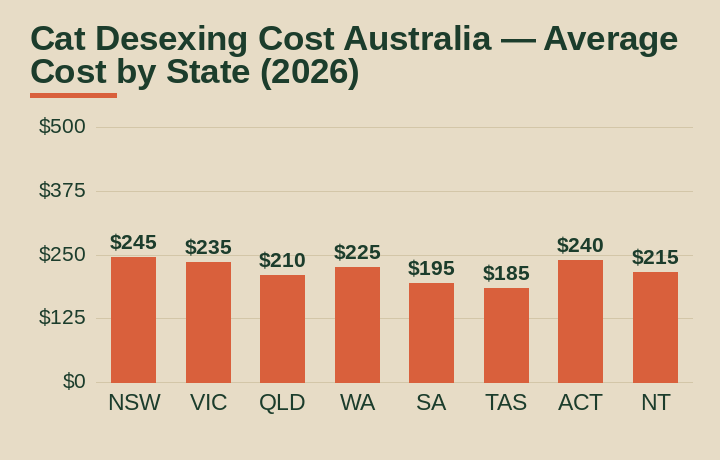
The cat desexing cost Australia breakdown below reflects 2026 average prices across all states and territories. Female cats consistently cost more than males due to the invasive abdominal surgery required for spaying versus the simpler external procedure for neutering.
| State | Average Cost | Typical Range |
|---|---|---|
| NSW | $245 | $180 to $350 |
| VIC | $235 | $175 to $340 |
| QLD | $210 | $150 to $290 |
| WA | $225 | $160 to $310 |
| SA | $195 | $140 to $270 |
| TAS | $185 | $130 to $255 |
| ACT | $240 | $175 to $335 |
| NT | $215 | $155 to $295 |
These prices represent full-service desexing including anaesthetic, surgery, pain medication, and post-operative care. Premium clinics in affluent suburbs may charge 15-25% above these ranges, while subsidised programs can reduce costs by 60-75% for eligible owners.
Real-World Example: A Typical Cat Desexing Cost Australia Scenario
Sarah from Brisbane needed to desex her 5-month-old female tabby cat, Luna, before her first heat cycle. She called three local vets to compare the cat desexing cost Australia options in her area.
Here’s what Sarah paid at a mid-range suburban vet clinic in Queensland:
- Pre-surgery consultation and health check: $65
- Female cat spaying procedure: $245
- Pre-anaesthetic blood test (optional but recommended): $95
- Post-surgery pain medication (5 days): $35
- Protective recovery collar: $18
- Follow-up appointment and suture removal: $45
Total cost: $503
Sarah could have reduced this to $245 by skipping the optional blood test and using a recovery cone from home, but chose the comprehensive package for Luna’s first surgery. If Luna had been male, the neutering procedure would have cost just $165, saving Sarah $80 on the surgical component alone.
What Affects Your Cat Desexing Cost Australia
Multiple variables influence the final price you’ll pay for cat desexing. Understanding these factors helps you get accurate quotes and make informed decisions about your cat’s care.
Gender Makes a Significant Difference
Female cat spaying costs $180-$350 because it’s an invasive abdominal surgery requiring an incision, internal organ manipulation, and more anaesthetic time. Male neutering costs $115-$250 as it’s a simpler external procedure with smaller incisions and faster surgical time. The $65-$100 price difference reflects the increased complexity and surgical risk for females.
Age and Weight Considerations
Kittens aged 4-6 months are easiest to desex and cost standard rates. Adult cats over 12 months may incur $20-$50 surcharges due to increased anaesthetic requirements and developed reproductive organs that take longer to remove. Overweight or obese cats (over 6kg) often face 10-15% price increases as surgery becomes more complex and anaesthetic dosing requires careful calculation.
Metropolitan Versus Regional Location
Sydney, Melbourne, and Brisbane vets charge 20-30% more than regional clinics due to higher rent, staff wages, and operational costs. Inner-city veterinary hospitals in premium postcodes can charge $350+ for female desexing, while country town vets in areas like Tamworth, Ballarat, or Bundaberg charge $180-$220 for identical procedures. The cat desexing cost Australia comparison between metro and regional areas can mean $100+ savings for rural pet owners.
Clinic Type and Service Level
Corporate vet chains like Greencross and VetPartners charge standardised pricing across locations, typically in the mid-to-upper range. Independent vets have flexible pricing and may offer loyalty discounts for existing clients. Specialist veterinary hospitals charge premium rates ($300-$450) but include advanced monitoring equipment and specialist anaesthetists. Community vet clinics operated by animal welfare organisations charge cost-recovery prices ($100-$180) without profit margins.
Additional Services Bundled In
Many vets bundle desexing with other procedures to save money. Microchipping during surgery adds $35-$65 versus $80-$100 done separately. Vaccination boosters during the pre-surgery check cost $25-$35 versus $70-$95 as standalone appointments. Some clinics include free nail trimming, ear cleaning, or flea treatment when you book desexing packages. Always ask what’s included in quoted prices versus optional add-ons.
How to Reduce Your Cat Desexing Cost Australia
Smart Australian cat owners can significantly reduce desexing expenses without compromising surgical quality or post-operative care.
Use Subsidised Desexing Programs: RSPCA, Animal Welfare League, and National Desexing Network offer income-tested subsidised desexing from $60-$120. Concession card holders, pensioners, and healthcare card recipients automatically qualify. Some programs extend to low-income families without cards through veterinary discretion.
Book Through Council Programs: Many Australian councils run annual desexing initiatives with vouchers worth $50-$100 toward the procedure. Check your local council website between July-September when most programs launch. Some councils like City of Sydney and Brisbane City Council offer year-round subsidies for registered cats.
Choose Regional Vets for Lower Rates: If you live within 45 minutes of a regional town, country vets charge 25-35% less than metro clinics for identical procedures. The drive saves $70-$120 on female desexing, and many owners find regional vets less rushed and more personable than busy city practices.
Ask About Payment Plans: Vets partnering with VetPay or Pet Payment Plans let you spread cat desexing costs over 6-12 months interest-free. You pay just 25% upfront and monthly instalments of $30-$60 depending on the total cost. This makes budgeting easier without delaying the procedure.
Time It with Kitten Adoption: Shelters and rescue organisations include desexing in adoption fees ($150-$250 total) which covers the procedure, microchipping, vaccination, flea treatment, and vet check. Adopting a pre-desexed kitten costs less than buying from breeders and desexing separately.
You might also consider using a quality calming spray at home during recovery to reduce stress, which can speed healing and prevent complications that lead to additional vet visits.
Common Mistakes to Avoid with Cat Desexing Cost Australia
Australian cat owners frequently make these costly errors when planning desexing procedures:
- Delaying desexing to save money: Waiting until after the first heat cycle increases surgical costs by $30-$80 and risks unwanted pregnancy. Female cats can fall pregnant as early as 4 months old, and treating pregnancy complications costs $400-$800, far more than standard desexing.
- Choosing the cheapest option without checking qualifications: Unlicensed mobile operators occasionally advertise suspiciously cheap desexing ($50-$80) but lack proper veterinary credentials, sterile facilities, or emergency equipment. Always verify your vet is registered with the Australian Veterinary Association and operates from a licensed clinic.
- Skipping the pre-surgery blood test: While optional, the $80-$120 blood panel identifies kidney, liver, or clotting issues that increase anaesthetic risk. Discovering problems during surgery leads to emergency treatment costing $500-$1,200, whereas the blood test either gives clearance or allows scheduled treatment before surgery.
- Not asking about included aftercare: Some vets include the 10-14 day follow-up and suture removal in the quoted cat desexing cost Australia price, while others charge $45-$75 extra. Clarify this upfront to avoid surprise bills. Free follow-ups should be confirmed in writing when booking.
Recommended Products for Cat Desexing Cost Australia
If you’re tackling this yourself, here are some products from Amazon Australia that can help (these are affiliate links):
Understanding What’s Included in Cat Desexing Packages
Knowing exactly what the cat desexing cost Australia covers helps you compare quotes accurately across different veterinary clinics.
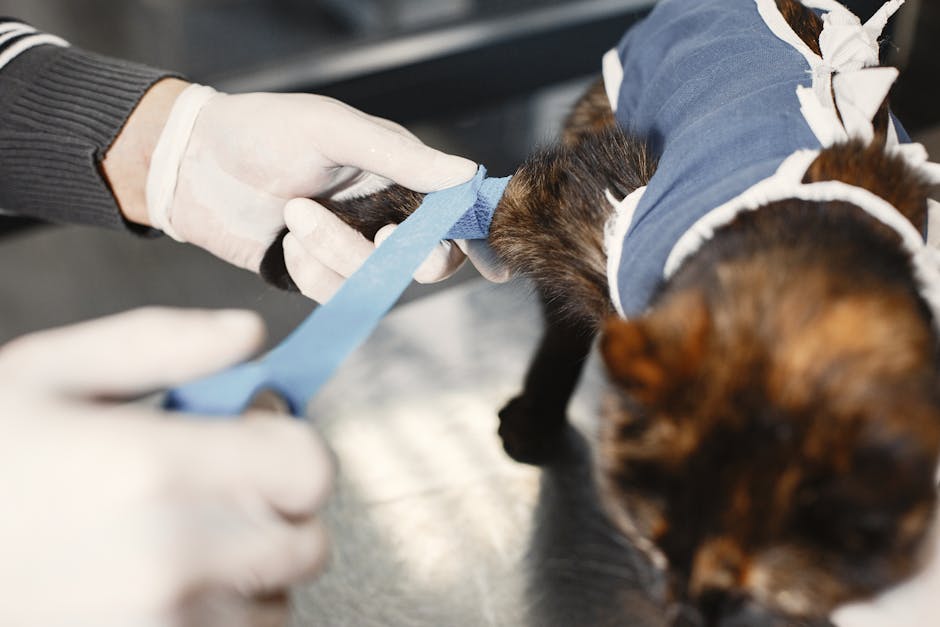
Standard desexing packages typically include the surgical procedure, general anaesthetic, surgical consumables (sutures, gloves, drapes), intra-operative monitoring, immediate post-operative pain relief injection, and basic recovery monitoring until your cat is awake and stable. Most vets provide 3-5 days of take-home pain medication tablets or liquid.
Premium packages ($50-$100 above standard) often add pre-anaesthetic blood testing, IV fluid therapy during surgery, advanced monitoring equipment (pulse oximetry, capnography), extended recovery observation (6-8 hours), overnight hospitalisation for nervous owners, microchipping, and a comprehensive post-operative care kit including wound spray and recovery collar.
Budget packages at community clinics exclude optional extras but deliver the same surgical quality. You’ll receive the procedure, anaesthetic, and basic pain medication, but need to purchase your own recovery collar ($12-$25) and return for a separate paid follow-up appointment ($45-$65). For healthy young cats, budget packages offer excellent value without compromising safety.
Always request itemised quotes showing which services are included versus optional add-ons. This transparency helps you make informed decisions about your cat’s care and budget.
The Long-Term Financial Benefits of Desexing
While the upfront cat desexing cost Australia seems significant, the procedure delivers substantial lifetime savings for cat owners.
Undesexed male cats spray urine to mark territory, causing property damage to furniture, carpets, and walls. Professional cleaning costs $200-$400 per room, and repeated spraying can total thousands in damage over a cat’s lifetime. Desexed males stop spraying in 90% of cases, eliminating this expensive behaviour.
Female cats in heat exhibit persistent yowling, escape attempts, and attract neighbourhood males who fight and spray around your property. Emergency vet visits for fight wounds cost $250-$500 per incident. Preventing these situations through desexing pays for itself within the first year.
Unplanned litters create immediate expenses: pregnant cat care ($150-$300), emergency caesareans if complications arise ($800-$1,500), kitten vaccinations ($70 per kitten), feeding costs ($100-$200 for quality kitten food), and rehoming efforts. A single unplanned litter costs $500-$1,000 minimum, while desexing prevents this entirely.
Health benefits also reduce long-term vet costs. Desexed cats have zero risk of reproductive cancers (ovarian, uterine, testicular) which require expensive treatment ($2,000-$5,000) if they develop. They experience 40% lower rates of mammary tumours, and desexed males never develop prostate disease. These preventative health benefits far outweigh the one-time desexing investment.
State-Specific Cat Desexing Cost Australia Insights
Each Australian state has unique factors affecting local cat desexing pricing and available subsidies.
New South Wales: Sydney metro vets charge the highest rates nationally ($250-$350 for females), but NSW also operates the most comprehensive subsidy programs. Sydney Dogs & Cats Home offers desexing from $80 for eligible owners, and many Western Sydney councils provide $100 desexing vouchers. Regional NSW vets in areas like Newcastle, Wollongong, and Wagga Wagga charge 30% less than Sydney CBD clinics.
Victoria: Melbourne’s competitive vet market keeps prices moderate ($220-$320 for females). The Lort Smith Animal Hospital provides subsidised desexing from $60 for concession card holders and is one of Australia’s most affordable quality options. Regional Victorian vets in Geelong, Ballarat, and Bendigo charge $175-$250, offering good value for country cat owners.
Queensland: Brisbane and Gold Coast vets charge $180-$290 for female desexing, with regional Queensland offering Australia’s best value at $140-$220. RSPCA Queensland runs mobile desexing vans visiting rural areas quarterly with heavily discounted rates ($100-$150). Far North Queensland vets in Cairns and Townsville sit mid-range at $190-$260.
Western Australia: Perth vets charge $200-$310 for females, with northern suburbs slightly cheaper than affluent southern areas. Cat Haven offers subsidised desexing from $90 for eligible Perth residents. Regional WA faces vet shortages, so country town prices ($180-$280) aren’t significantly lower than metro despite lower operating costs.
South Australia: Adelaide vets offer competitive pricing ($170-$270 for females), and AWL South Australia provides subsidised procedures from $75. Regional SA towns have limited vet availability but charge reasonable rates ($140-$230) when services are accessible. The RSPCA South Australia also runs regular low-cost desexing clinics throughout the state.
Understanding the cat desexing cost Australia helps you plan this essential procedure without financial stress. Whether you choose a premium metro vet, a regional clinic, or a subsidised program, desexing protects your cat’s health, improves behaviour, and prevents unwanted litters. With prices ranging from $60-$350 depending on your choices and eligibility, every Australian cat owner can access quality desexing services. Book your cat’s procedure between 4-6 months of age for optimal health outcomes and the most competitive pricing in your area. For more guidance on responsible pet ownership costs, explore our related guides on dog desexing expenses and pet vaccination pricing across Australia.
Frequently Asked Questions
How much does it cost to desex a female cat in Australia?
Female cat desexing (spaying) costs between $180-$350 at most Australian vet clinics in 2026. Metro area vets in Sydney and Melbourne typically charge $250-$350, while regional vets charge $180-$280. Subsidised clinics offer procedures from $80-$150 for eligible owners.
Is desexing cheaper for male cats?
Yes, male cat neutering costs $115-$250 in Australia, making it $50-$100 cheaper than female desexing. The procedure is less invasive and takes less surgical time. Metro vets charge $180-$250, while regional clinics charge $115-$200.
What’s included in the cat desexing cost Australia price?
Most cat desexing cost Australia quotes include the surgical procedure, general anaesthetic, pain relief medication, and a post-operative check. Some vets bundle pre-surgery blood tests ($80-$120), microchipping ($35-$65), or overnight monitoring ($50-$100) for an additional fee.
At what age should I desex my cat?
Most Australian vets recommend desexing cats between 4-6 months old, before their first heat cycle. Early age desexing (8-12 weeks) is becoming more common and typically costs the same as standard procedures. Adult cat desexing may cost $20-$50 more due to increased anaesthetic requirements.
Are there low-cost desexing options in Australia?
Yes, subsidised desexing programs through RSPCA, AWL, and local councils offer procedures from $60-$120 for concession card holders or low-income families. Mobile desexing vans visit regional areas quarterly with discounted rates of $100-$180.
People Also Ask About Cat Desexing Cost Australia
How long does cat desexing surgery take?
Male cat neutering typically takes 10-20 minutes, while female spaying takes 20-40 minutes. Your cat will remain at the vet for 4-8 hours total for pre-surgery preparation, anaesthetic recovery, and post-operative monitoring before going home the same day.
Will my cat’s personality change after desexing?
Desexing doesn’t change your cat’s core personality but reduces hormone-driven behaviours. Male cats become less aggressive and stop spraying in 90% of cases. Female cats won’t experience heat cycles. Both genders remain playful and affectionate but may be calmer overall.
Can I claim cat desexing on pet insurance?
Most Australian pet insurance policies don’t cover routine desexing as it’s considered preventative care rather than illness treatment. However, some comprehensive policies offer wellness packages with $50-$150 annual rebates toward desexing, vaccination, and dental work.
How long is the recovery time after cat desexing?
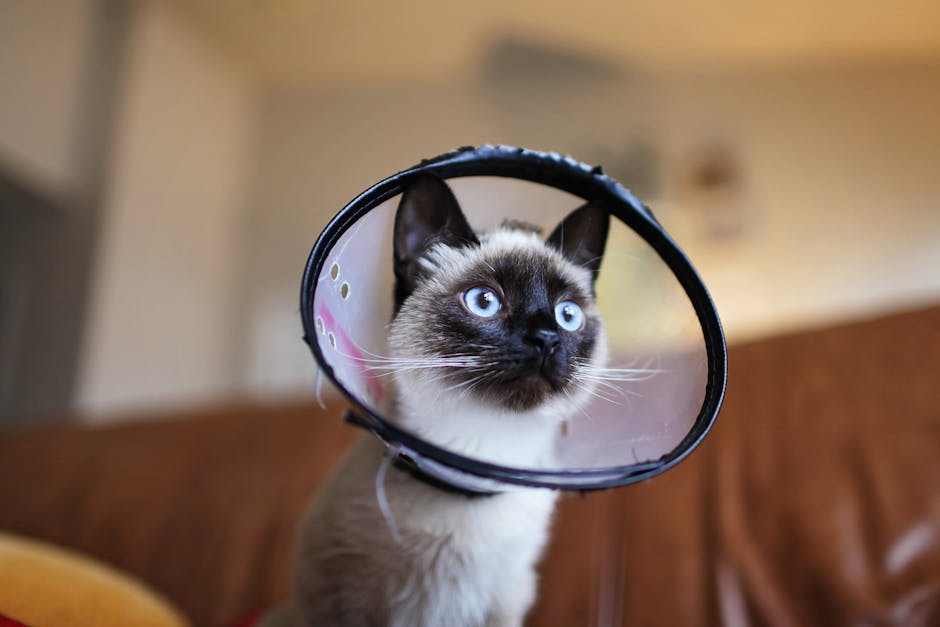
Male cats typically recover within 3-5 days and female cats within 7-10 days. Your cat needs to wear a recovery collar for 10-14 days until suture removal. Keep them indoors and restrict jumping during this period to prevent complications.
Do outdoor cats need to be desexed?
Yes, outdoor and indoor-outdoor cats absolutely should be desexed. Undesexed cats contribute to Australia’s 2.7 million stray cat problem. Desexed cats roam 50% less, fight less frequently, and avoid unwanted litters that overwhelm shelters. Most councils require outdoor cats to be desexed by law.
Related Cost Guides
This guide contains affiliate links. We may earn a small commission from qualifying purchases at no extra cost to you.