
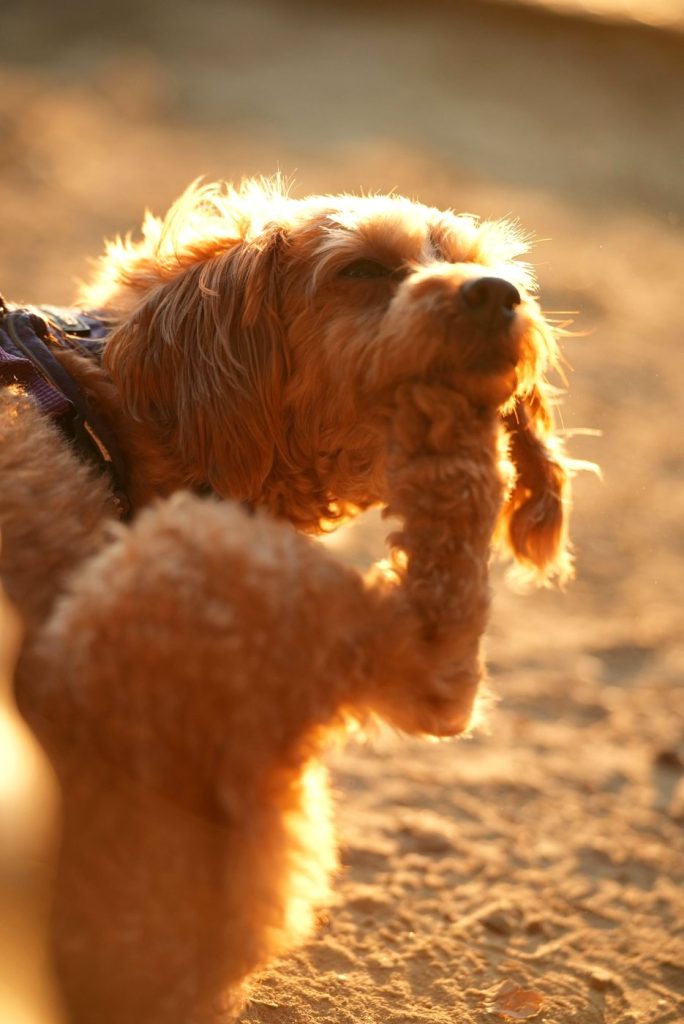
New Year's Eve is one of the worst nights of the year for frightened pets. Fireworks, along with summer thunderstorms, send dogs over fences and through screen doors, and RSPCA branches and pounds take in lost dogs every year after the celebrations. Most of it is preventable with a little preparation, and the cost of preparing is tiny compared with a pound release fee or an emergency vet visit.
Keeping your pet safe through fireworks costs very little: check the microchip details, add an ID tag, and keep them inside. Getting it wrong costs more. Council pound release fees in NSW range from about $40 to $119, plus $18 to $79 a day in maintenance, and a dog hit by a car can face an emergency vet bill of $1,000 or more. If your dog is badly frightened, a vet consult for anti-anxiety medication is usually $80 to $150 plus the medication.
| Cost | Typical amount | Notes |
|---|---|---|
| ID tag for the collar | $10 to $30 | Engraved with your phone number |
| Checking or updating microchip details | Free to low cost | Through your state or microchip registry |
| Vet consult for noise anxiety | $80 to $150 plus medication | Medication is dosed by weight, so bigger dogs cost more |
| Pound release fee (NSW council examples) | $40 to $119 | Varies by council, more for repeat or unregistered pets |
| Pound daily maintenance (NSW council examples) | $18 to $79 per day | Charged until you collect your pet |
| Emergency vet after an escape | $200 to $500 consult, $1,000+ with treatment | Injuries from cars, fences or glass |
Pound fees are examples from NSW council fee schedules and change every year, so check your own council. Vet figures come from our emergency vet cost guide and vet consultation cost guide.
Sources (November 2026): RSPCA Australia, pets and fireworks, RSPCA NSW, New Year tips, Forbes Shire Council, pound fees, Cowra Shire Council, impounding fees, Strathfield Council, animal fees, University of Sydney, noise fear in dogs.
Before the night: the cheap stuff that matters most
- Check the microchip details. RSPCA Victoria says up to date microchip details are the single most important thing you can do, and they are how most dogs picked up after New Year's Eve get home. If you have moved or changed numbers, update them now.
- Add an ID tag. Whoever finds your dog can call you straight away without a trip to a vet or council to scan the chip.
- Check the fences and gates. Look for gaps, loose palings and anything your dog could climb on to get over.
- Talk to your vet early if your dog panics at storms or fireworks. Anxiety medication works best when given before the noise starts, and clinics get busy in late December.
- Register your pet with your council if you have not already. Registered pets usually cost less to release from the pound.
On the night
- Walk and feed your dog before dark, so they are tired and settled before the fireworks start.
- Bring pets inside, including cats, and close windows, doors, the cat flap and the curtains.
- Put on the TV or music to soften the bangs.
- Give them a den: a crate covered with a blanket, a space under a desk or a quiet room where they can hide.
- Stay calm and close by. Comforting a frightened pet is fine. Punishing fear makes it worse.
- Give them something to do, like a frozen KONG or a LickiMat.
- Do not take your dog to the fireworks, and do not leave them alone outside.
If your pet goes missing
- Search your street and nearby parks straight away. Frightened dogs often hide close to home.
- Call your local council pound, nearby vets and the RSPCA or local shelter, and check again daily.
- Post in local lost pet and community Facebook groups with a clear photo.
- Make sure the microchip registry has your current number, and mark your pet as missing if your registry allows it.
The sooner you collect your pet, the less you pay in daily maintenance fees.
Dogs with real noise phobia
Some dogs are not just nervous but terrified, shaking, drooling, trying to dig through walls or injuring themselves. Research from the University of Sydney found that noise fear in dogs is common and real, and that medication can lower fear enough for training to work. A vet can prescribe medication for the night and help you plan longer term desensitisation. Expect a standard consult of about $80 to $150, plus the medication, which costs more for bigger dogs because it is dosed by weight.
Products Worth Considering
Here are a few products from Amazon Australia that pet owners find useful on noisy nights (these are affiliate links):
Common questions
What should I do with my dog during New Year’s Eve fireworks?
Keep your dog inside with doors, windows and gates shut, draw the curtains and put on the TV or music to soften the noise. Give them a hiding spot, walk and feed them before the fireworks start, and stay calm and close by. Check their microchip details and ID tag before the night.
How much does it cost to get a lost dog back from the pound?
It depends on your council. NSW examples include release fees of around $40 to $119, plus daily maintenance of about $18 to $79 a day. Unregistered or unmicrochipped pets often cost more, and some councils reduce fees for genuine hardship.
Can my vet give my dog something for firework anxiety?
Yes. Vets can prescribe anti-anxiety medication for noise phobia, which works best when given before the noise starts. You will usually need a consult first, around $80 to $150 at a general practice, and the medication is dosed by weight, so bigger dogs cost more. Book well before New Year’s Eve, as clinics get busy.
Are cats affected by fireworks too?
Yes. Cats often hide or bolt. Keep them indoors from the afternoon, give them a quiet room with a litter tray, water and hiding spots, and make sure their microchip details are current.
Related guides
- Dog microchipping cost in Australia
- Cat microchipping cost in Australia
- Dog heatstroke: treatment cost, signs and first aid
- Emergency vet cost in Australia
- Christmas gifts for pets