
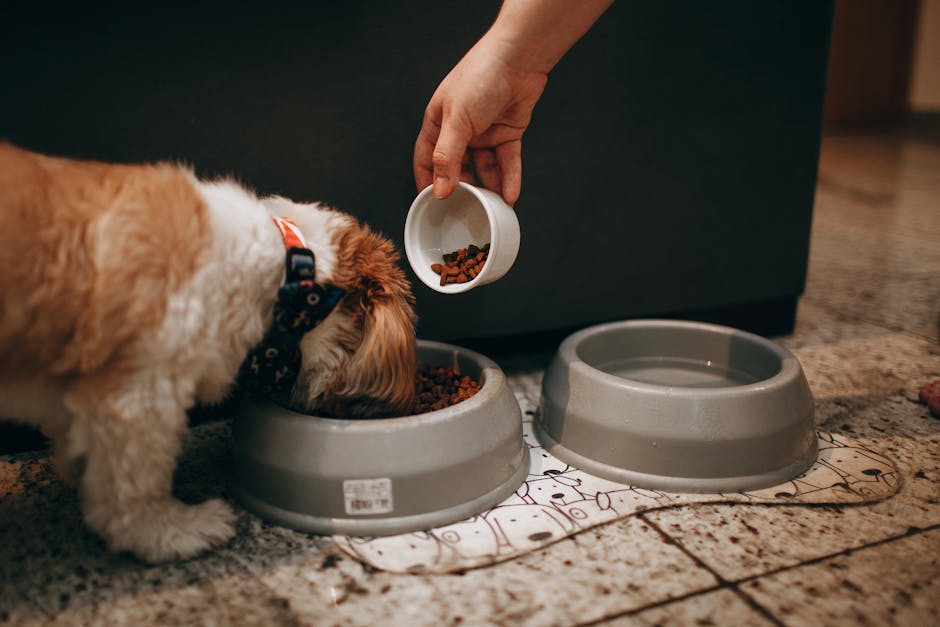
Part of our Is It Worth It? series, where we put real Australian prices against the claims. This one is the question every dog owner faces at the shelf: is premium dog food worth two or three times the price of a supermarket bag?
Per day, the gap is smaller than the bag price suggests, because premium foods are usually more energy dense, so you feed less. For a 20kg dog, budget dry food costs about $36 a month and premium dry about $107, a gap of around $850 a year. Premium is worth it for dogs with sensitive stomachs, skin problems or specific health needs, and for large and giant breed puppies. For a healthy adult dog doing well on a complete and balanced mid-range food, the extra spend buys less than the label implies.
| Food tier | Typical price per kg | About per month | About per year |
|---|---|---|---|
| Budget supermarket (Supercoat, homebrand) | $4 | $36 | $430 |
| Mid-range (Black Hawk, Advance) | $7.50 | $67 | $800 |
| Premium (Royal Canin, Hills Science Diet) | $12 | $107 | $1,290 |
| Raw, pre-made or DIY | $10 | $179 | $2,150 |
| Fresh cooked subscription | $12.50 | $268 | $3,220 |
Monthly costs from our dog food calculator, using a standard energy formula for an average adult dog and typical Australian prices per kilo from our dog food cost guide.
Try it with your own numbers: Compare every food type for your own dog’s weight →
What you actually get for the extra money
- Higher digestibility. More of the food is used, so you feed smaller portions and pick up smaller poos.
- More consistent recipes. Premium brands tend to keep the same formula, which helps sensitive dogs.
- Life-stage and breed formulas, such as large breed puppy food with controlled calcium, which genuinely matters for growing giant breeds.
- Research and feeding trials behind the major vet brands.
What you are also paying for
Marketing, packaging and shelf placement are part of every price. “Grain-free”, “human grade” and “ancestral” are marketing terms, not quality standards, and grain-free diets are not better for most dogs. The words that matter on any bag are “complete and balanced” for your dog’s life stage.
When premium is worth it
- Your dog has a sensitive stomach, itchy skin or recurring ear problems and does better on it.
- You have a large or giant breed puppy.
- Your vet has recommended a specific diet.
- Your dog is a senior or overweight and needs a controlled formula.
When it probably is not
- Your healthy adult dog has a good coat, firm poos and steady weight on a complete and balanced mid-range food.
- The extra cost would come out of things that matter more, such as vaccinations, parasite control or an emergency fund.
The best value for most dogs is often the middle: a reputable mid-range complete food, bought in large bags, on subscription or on sale.
The verdict
Worth it for some dogs, not necessary for most. Feed the best complete and balanced food you can comfortably afford, judge it by your dog (energy, coat, poos, weight) rather than the bag, and if you change food, change gradually over a week.
Common questions
Is supermarket dog food bad for dogs?
Not necessarily. A supermarket food labelled complete and balanced for your dog’s life stage meets basic nutritional needs. Cheaper foods are usually less digestible, so you feed more and the cost per day is closer to premium than the bag price suggests.
How much more does premium dog food cost per year?
For a 20kg dog, premium dry food costs roughly $850 a year more than budget dry. For a small dog the gap may be $250 to $350 a year, and for a large dog over $1,200.
Is grain-free dog food better?
Not for most dogs. Grain-free is a marketing category, not a mark of quality. Only choose it if your vet recommends it for a diagnosed allergy.
What is the best value dog food in Australia?
For most healthy adult dogs, a reputable mid-range complete and balanced dry food bought in large bags or on subscription gives the best balance of quality and price.