
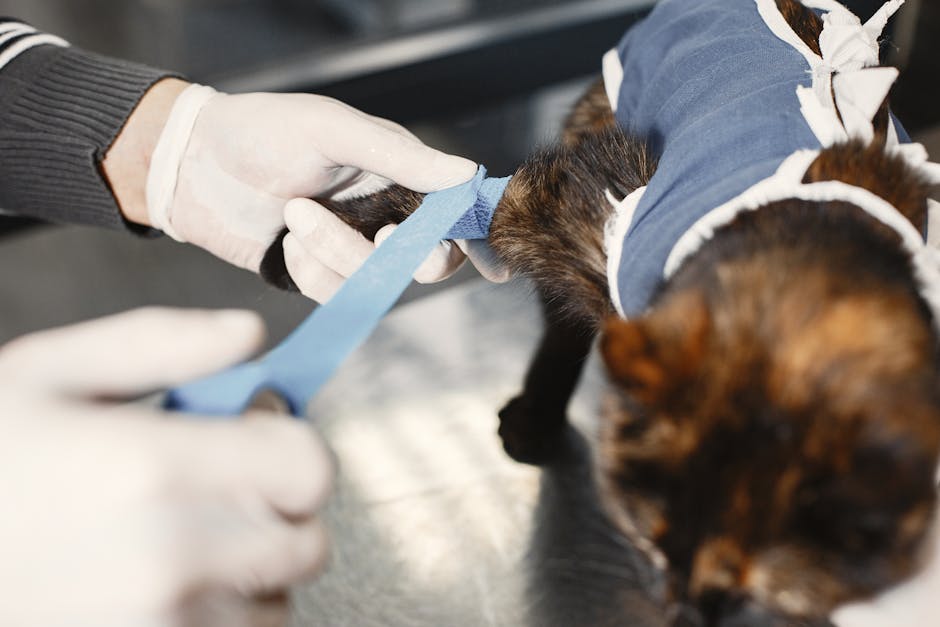
Few things are more frightening than a vet telling you your pet needs treatment that costs more than you have. If you are reading this in a waiting room, take a breath. You have more options than it feels like right now, and vets have this conversation every day.
Tell the vet your budget straight away and ask for a treatment plan that fits it. Then ask about payment plans: most clinics accept VetPay, and some accept Afterpay or Zip. If you receive Centrelink payments, ask about Centrepay and charities such as Pet Medical Crisis (VIC), Cherished Pets Foundation (VIC), Sunset Pets Benevolent Fund (QLD), ACT Pet Crisis Support or Perth Veterinary Bill Assistance (WA). RSPCA branches in some states run their own emergency programs.
1. Tell the vet what you can afford, early
It is uncomfortable, but it is the single most useful thing you can do. Vets can often offer more than one plan: stabilising your pet tonight and continuing with your regular vet tomorrow, outpatient care instead of a hospital stay, or doing the essential tests now and others later. Ask:
- “What is the most important thing to do tonight, and what can wait?”
- “Can I have an itemised estimate, with a low and a high figure?”
- “Is there a less intensive option, and what are the risks of it?”
- “Can my pet be transferred to my regular vet in the morning?”
A good vet will not judge you for asking. They would much rather adjust the plan than see an owner walk away.
2. Ask about payment plans
| Option | How it works | Good to know |
|---|---|---|
| VetPay | A loan or payment plan arranged at the clinic, often approved on the spot | Accepted by most vets. Read the fees and interest before signing. |
| Afterpay or Zip | Buy now, pay later at clinics that accept them | Spending limits may not cover a large bill. Late fees apply. |
| Clinic payment plan | Some clinics offer their own plan for regular clients | More likely at your regular vet than an emergency hospital. |
| Centrepay | Repayments deducted from Centrelink payments | Only through participating organisations. |
| Credit card | Pay now, repay over time | Usually the most expensive way to borrow. |
3. Charities and community help by state
These organisations help pet owners in financial hardship, usually those on Centrelink payments or pensions. Funds are limited, criteria vary and some only help in genuine emergencies, so contact them early and be honest about your situation.
- Victoria: Pet Medical Crisis (helps people in necessitous circumstances, through participating vets) and Cherished Pets Foundation. Lort Smith in Melbourne is a not-for-profit animal hospital.
- Queensland: Sunset Pets Benevolent Fund.
- ACT: ACT Pet Crisis Support.
- South Australia: SafePetsSafeFamilies Vet Crisis Fund, for people experiencing domestic and family violence.
- Western Australia: Perth Veterinary Bill Assistance. RSPCA WA also lists sources of help.
- Tasmania: the RSPCA Emergency Vet Program helps concession card holders, and Hobart Community Vet Clinic offers lower-cost care.
- Northern Territory: Paws Darwin Community Vet.
Your local council, rescue groups and breed clubs sometimes know of smaller funds too. PetRescue keeps a list of options.
Sources (October 2026): RSPCA WA, help paying vet bills, RSPCA Tasmania, emergency vet program, PetRescue, vet bill assistance, VetPay.
4. Other things people do
- Crowdfunding through GoFundMe works best with a clear story, photos and the vet’s estimate.
- Family and friends often want to help and are just not asked.
- Rehoming or surrender to a rescue group that can afford treatment is a painful but sometimes loving option.
- Humane euthanasia, when treatment is not affordable or the outlook is poor, is not a failure. Vets support owners through this decision every day. See our dog euthanasia cost guide.
Getting ready for next time
If this is a near miss, it is worth planning before the next one. The two options are an emergency fund (even $20 a week builds to over $1,000 in a year) or pet insurance taken out while your pet is young and healthy. Our pet insurance calculator shows whether cover would have paid for itself on a bill like yours.
Try it with your own numbers: Estimate what an emergency vet bill could cost →
Common questions
Will a vet treat my pet if I cannot pay?
Vets will usually provide pain relief, or humane euthanasia if needed, for an animal in distress. For further treatment most clinics need payment or an approved payment plan, so tell them your budget early so they can offer options.
Does VetPay check your credit?
VetPay assesses applications, so approval is not guaranteed. Ask the clinic for the application early, while your pet is being assessed.
Can I use Afterpay at the vet?
Some clinics accept Afterpay or Zip, but not all, and your spending limit may not cover an emergency bill. Ask at reception.
Can RSPCA help with vet bills?
It depends on your state. Some RSPCA branches run programs for concession card holders, such as RSPCA Tasmania’s emergency vet program, and others publish lists of other sources of help.