
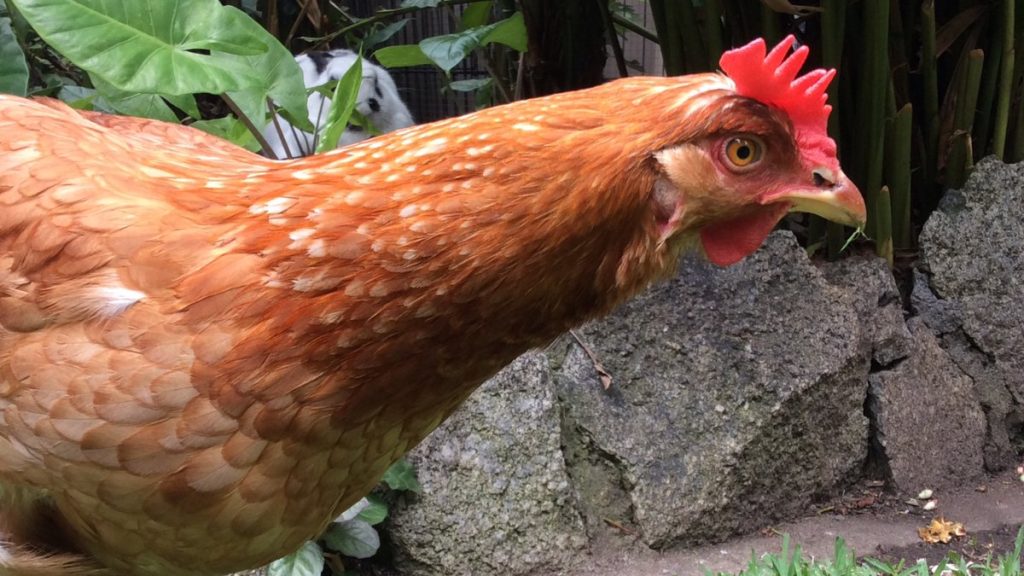
I keep six Isa Browns in a homemade coop in the backyard, and I sell poultry gear at the pet store I work in. Chickens are genuinely one of the easiest animals to keep and one of the most rewarding, and there are two or three things I got wrong that nobody warned me about.
This is my actual setup, what went wrong, and what I would do differently. If you only read one section, make it the one about introducing new hens, because that is the mistake that surprised me most and it is the one I now warn people about across the counter.
My setup is a homemade coop and run of roughly 8 square metres for six Isa Browns, who free range in the yard as well. They get layer pellets with a calcium supplement. The two things I would change are buying stainless steel feeders and waterers instead of plastic, and understanding before I started that adding new hens to an established flock is genuinely difficult. I introduced four birds to an existing two and they fought badly. Rats are the other thing to plan for from day one, not after they arrive.
If you just want the short answer, I would start with SPITHA Galvanised Treadle Feeder, only opens under a chicken’s weight, the single best fix for rats and feed waste.
Check price on AmazonAffiliate link. I may earn a small commission at no extra cost to you.
| Item | What I use or would buy | Typical AU cost |
|---|---|---|
| Coop and run | Homemade, around 8 square metres | $0 to $600 depending on build |
| Feeders and waterers | Would buy stainless, not plastic | $40 to $150 |
| Treadle feeder | The proper rat fix | $70 to $160 |
| Layer pellets, 20kg | Their staple | $25 to $45 |
| Calcium supplement | For shell quality | $10 to $25 |
| Mite powder | Twice a year or as needed | $15 to $30 |
| Rat traps | Needed them, still use them | $15 to $50 |
My Setup
The short version:
- Coop: homemade, with an attached run, somewhere around 8 square metres all up
- Flock: six Isa Browns
- Range: they free roam the yard as well as having the run
- Feed: layer pellets, plus a calcium supplement
- Feeders and waterers: green and white plastic ones, which I regret
Around 8 square metres for six birds works out at well over a square metre each, which is the sort of ratio I would aim for. Add free ranging on top of that and they have plenty of room. Space is the thing I would not compromise on, because crowded chickens start pecking each other and it escalates.
Homemade is worth considering if you are handy. The main things to get right are predator-proof mesh, a door you can properly latch, and enough height that you can actually get in to clean it.
Introducing New Hens Is Much Harder Than Anyone Says
This is the one I wish someone had told me properly.
I started with two hens and later tried to introduce four more. They fought, and they fought badly. Not a bit of posturing that settled down in an afternoon, genuine sustained aggression. I was not prepared for how rough it got.
The reason is the pecking order, which is a real social structure rather than a figure of speech. An established flock, even a flock of two, has a settled hierarchy, and new birds arriving means the whole thing has to be renegotiated. Chickens do that with their beaks.
What I would tell anyone doing it:
- Get all your birds at once if you possibly can. A flock that grows up together sorts itself out early and with far less drama. This is the single easiest way to avoid the problem entirely
- If you must add birds, add several rather than one. A single newcomer takes the full force of it. More arrivals spread the pressure
- Do it slowly, and through wire. Let them see each other without contact for a week or more first, so the introduction is not also a first meeting
- Give them space and escape routes. Bullying gets serious when the bird at the bottom has nowhere to go. More space, more feeders and waterers, and things to hide behind or get above
- Watch for blood. Chickens will keep going at an open wound. If one gets injured, separate it and treat it, because this is how you lose a bird
It does settle eventually. Mine did. But it took longer and got nastier than I expected, and if I were starting again I would buy all six at the same time.
Why Isa Browns Are a Good First Flock
Mine are all Isa Browns, which is the most common backyard hen in Australia for good reasons.
They are a commercial hybrid bred to lay, and they do it reliably and often. They are hardy in Australian conditions, easy to get hold of, and generally friendly and calm, which matters if you have kids or if it is your first flock.
The trade-off with any high production layer is that laying that hard takes a toll. They tend to be more prone to reproductive problems than heritage breeds, and their productive life is shorter, though they will live for years past their best laying.
Worth knowing rather than off-putting. If you want a first flock that lays well and is easy to handle, Isa Browns are a sensible pick.
I Would Buy Stainless Steel Feeders and Waterers
I have green and white plastic feeders and waterers. If I had my time again, I would buy stainless steel.
Plastic is cheap and it works, but it does not hold up. Australian sun makes it brittle and it cracks, algae gets into the textured surfaces and is a nuisance to scrub out, and it stains. Stainless costs more up front, cleans properly, and does not perish in the sun.
On a thing you handle every single day and refill constantly, that difference adds up. It is one of those buy-once decisions that I made the cheap way.
If you are buying now, get stainless for the drinker at minimum. Water containers are the ones that grow algae and get gross, and they are the hardest to clean when the plastic surface has roughened up.
Rats Will Find You
We have had rat problems, and it was the feed that brought them, both the chicken feed and the rabbit pellets.
This is worth being blunt about because people assume rats mean a dirty setup. They do not. Rats mean available food, and an open feeder full of grain is exactly that. If you keep poultry outdoors you will eventually have rats interested in you.
What worked for us:
- Rat traps. We used them and still do. Effective and, importantly, they do not put poison into an environment where your birds and other animals are
- All unused food stored inside, always. This is the big one. Feed in a sealed container, indoors, with nothing left out. Rats are following a food source, so remove the food source
The upgrade I would recommend, and the one I point customers at, is a treadle feeder. These only open when a chicken stands on the plate, so the feed is sealed the rest of the time and rats and wild birds cannot get at it. It is the most effective single purchase for this problem and it also stops the feed waste that comes with an open trough.
I would avoid rat poison around poultry. Secondary poisoning is a real risk to anything that eats a poisoned rat, including owls and pets.
Feed, Calcium and Free Ranging
Mine get layer pellets as their staple, which is the straightforward option. Layer feed is formulated for hens in lay and it takes the guesswork out. Pellets waste less than mash, and the birds cannot pick out the bits they like and leave the rest, which they absolutely will with a mixed grain.
I also supplement with calcium powder. A laying hen puts a remarkable amount of calcium into an eggshell, and if she is short she will pull it from her own bones. Thin or soft shells are usually the first sign. Shell grit offered free choice is the other common way to do it, and either works. The important thing is that the calcium is available.
They free roam the yard as well, which I would recommend if your setup allows. Better eggs, much better entertainment, fewer bored birds, and they will demolish pests in the garden.
Two things to know before you let them out. They will destroy a vegetable patch and dig up mulch with real enthusiasm, so fence what you care about. And free ranging birds are exposed to predators and to neighbourhood dogs, so it is a daylight activity with the birds locked in the coop at night, every night.
What I Would Do Differently
Three things.
Buy all the birds at once. The flock integration problem is entirely avoidable and I walked straight into it.
Stainless steel from the start instead of plastic feeders and waterers.
Plan for rats on day one. A treadle feeder and a sealed indoor feed bin from the beginning would have saved us dealing with it after the fact.
None of those are expensive lessons in absolute terms. They are just the sort of thing you only learn by doing it, which is why I have written them down.
What I Use and What I Would Buy
The gear I run, plus the two upgrades I would make if I were starting again: stainless steel water containers and a rat-proof treadle feeder. (these are affiliate links)
This guide contains affiliate links. If you buy through them we may earn a small commission at no extra cost to you. I only point to gear I would actually use or sell.
Frequently Asked Questions
How much space do six chickens need?
Mine have a homemade coop and run of roughly 8 square metres, which works out at well over a square metre each, plus free ranging in the yard. More than a square metre of run per bird is a sensible target if they are shut in for much of the day. Space is the thing not to compromise on, because crowded hens start feather pecking and it escalates quickly into real injuries.
Why do chickens fight when you introduce new ones?
Because the pecking order is a genuine social hierarchy, not a figure of speech, and adding birds forces the whole flock to renegotiate it. I added four hens to an established two and they fought badly, far worse than I expected. The easiest fix is to buy all your birds at once so they grow up together. If you must add, add several rather than one, house them alongside each other through wire for a week or more first, and provide plenty of space, extra feeders and places to escape to.
Are stainless steel chicken feeders better than plastic?
In my experience yes, and it is the change I would make if starting again. Plastic is cheaper and works initially, but Australian sun makes it brittle so it cracks, and algae gets into the roughened surfaces and is difficult to scrub out. Stainless costs more up front, cleans properly and does not perish. If you only upgrade one thing, make it the drinker, because water containers are the ones that grow algae and get unpleasant.
How do you stop rats in a chicken coop?
Remove the food source. We had rats attracted by both chicken feed and rabbit pellets, and what worked was rat traps plus storing all unused feed inside in a sealed container at all times. The best upgrade is a treadle feeder, which only opens when a chicken stands on the plate so feed is sealed the rest of the time. Avoid rat poison around poultry, because secondary poisoning is a genuine risk to anything that eats a poisoned rat, including owls and pets.
Do laying hens need extra calcium?
Yes. A laying hen puts a large amount of calcium into every eggshell, and if she is short she will draw it from her own bones. Thin or soft shells are usually the first sign something is wrong. I feed layer pellets, which are formulated for hens in lay, and supplement with calcium powder. Shell grit offered free choice is the other common approach and works equally well. What matters is that the calcium is available to them.