
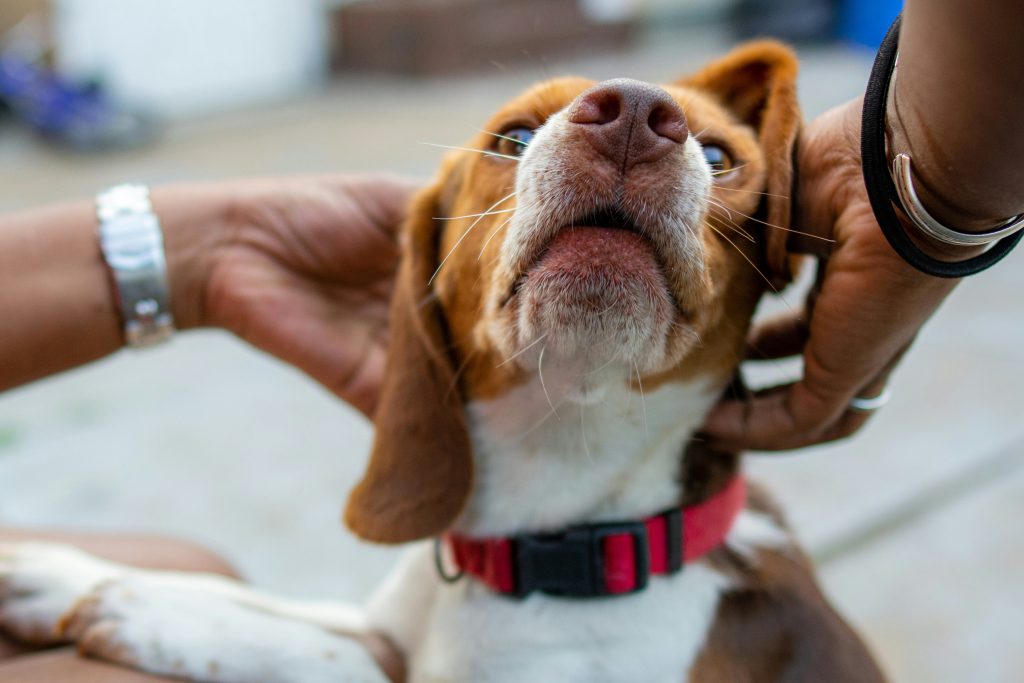
Fleas are annoying, but ticks can kill a dog, and in Australia that is not an exaggeration. I work in a pet store on the east coast and every spring we get worried owners coming in after finding a paralysis tick. Choosing the best flea and tick treatment for dogs in Australia really comes down to two things: picking something that actually covers the paralysis tick if you are near the coast, and using it consistently rather than only when you spot a problem.
Here is what works, what it costs, and the mistakes that let fleas and ticks get a foothold in the first place.
The best flea and tick treatment for dogs in Australia costs about $15 to $35 per month. Monthly chewables like NexGard and Simparica are the easiest and most reliable at around $25 to $33 a dose, Bravecto is a chewable that lasts around three months for $55 to $80, and spot on treatments like Advantix and Frontline Plus are cheaper at $15 to $25. Add an environment spray during an active flea infestation. On the east coast, paralysis tick cover is not optional, so check the label covers Ixodes holocyclus.
If you just want the short answer, I would start with Flea and Tick Spot On Treatment, topical monthly cover, size it to your dog’s weight.
Check price on AmazonAffiliate link. I may earn a small commission at no extra cost to you.
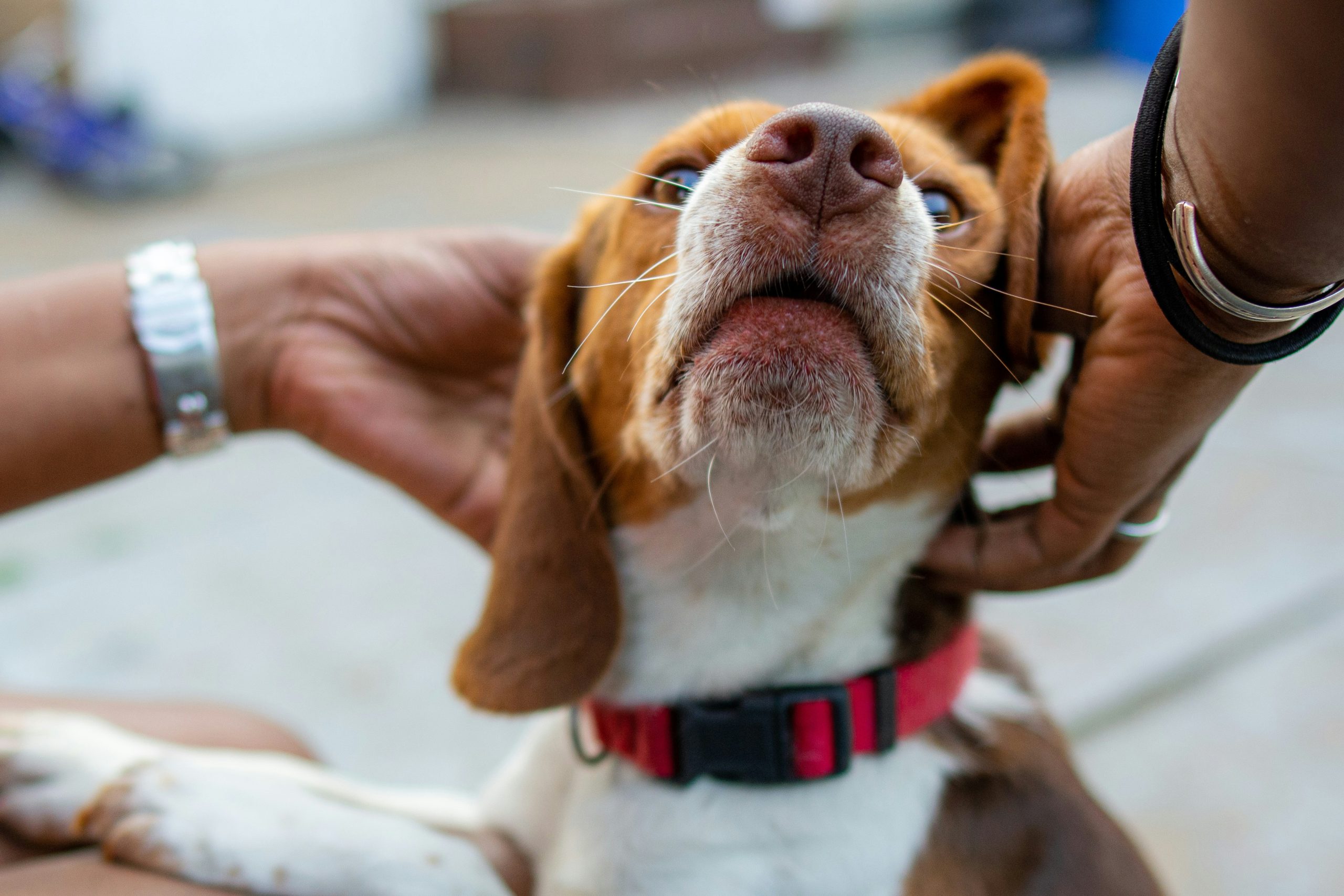
| Product type | Typical cost | What it covers |
|---|---|---|
| Monthly chewable (NexGard, Simparica) | $25 to $33 per dose | Fleas and ticks including paralysis tick |
| 3 month chewable (Bravecto) | $55 to $80 per dose | Fleas and ticks for 12 to 13 weeks |
| Spot on (Advantix, Frontline Plus) | $15 to $25 per dose | Fleas and ticks, some repel mosquitoes |
| Home and yard spray | $15 to $40 per bottle | Flea eggs and larvae in the environment |
| Flea shampoo | $12 to $20 | Quick knockdown only, no lasting cover |
Why Ticks Are the Real Danger, Not Just Fleas
There are a few tick species in Australia, but the one that matters is the paralysis tick, Ixodes holocyclus, found along the entire east coast from north Queensland down into Victoria. Its toxin attacks the nervous system, and the early signs are easy to miss: a change in the bark, wobbly back legs, heavy breathing or vomiting. Left untreated it is often fatal, and even with treatment a tick antivenom bill can run into the thousands. Fleas by comparison are a comfort and hygiene problem, they cause itching, allergic skin disease and can carry tapeworm, but they will not kill a healthy dog. So if you live anywhere near the coast, tick cover drives your choice.
Chewables vs Spot On vs Collars: What I Recommend
Monthly chewables are what I reach for first. NexGard and Simparica are given monthly and cover both fleas and the paralysis tick, and Bravecto lasts around three months, which suits people who forget dates. They go in by mouth so there is nothing to wash off in the pool or the bath, and they start working within hours. In Australia you can buy all of these without a prescription at pet stores and online.
Spot on treatments that you squeeze onto the skin between the shoulder blades, like Advantix and Frontline Plus, are cheaper and still effective, but they can rub or wash off and some dogs react to the liquid. Flea collars vary wildly, a good one like Seresto lasts months, but the cheap supermarket collars are close to useless. Whatever you choose, buy the version sized for your dog’s weight, because underdosing a big dog is a common reason a treatment seems to stop working.
Treating a Flea Infestation (The Bit Everyone Gets Wrong)
Here is the part people get wrong. When you see fleas on your dog, only about 5 percent of the problem is actually on the animal. The other 95 percent, the eggs, larvae and pupae, is in your carpet, the dog’s bedding, the couch and the cracks in the floor. If you only treat the dog, the environment keeps re-infesting it and you go around in circles blaming the product.
To break a real infestation you treat the dog, wash all the bedding on the hottest wash it will take, vacuum thoroughly every couple of days and throw the vacuum contents straight in the outside bin, and use a home flea spray on the carpets and skirting. Products with an insect growth regulator stop the eggs hatching, which is what actually ends the cycle. It takes a few weeks because the pupae are tough, so keep going even once the dog looks clear.
What About Puppies, Kittens and Other Pets in the House?
A couple of common questions come up at the counter. First, puppies and kittens: most spot on and chewable products have a minimum age and weight, often around 8 weeks and a set body weight, so always check the label for very young animals, and for tiny puppies a fine flea comb and warm water is the safe way to physically remove fleas until they are old enough for treatment. Second, treat every pet in the house, not just the one with the problem, because fleas move between animals and breed in the shared environment, so a treated dog and an untreated cat just means the cat keeps the cycle going.
One serious warning: never put a dog flea product on a cat. Some dog treatments contain permethrin, which is highly toxic to cats and can kill them, so always use species specific products and keep them separate. If you are ever unsure about the right product for a pregnant, nursing, very old or unwell animal, a quick call to your vet is worth it.
How Often, and When to Worry
In most of Australia fleas and ticks are a year round problem now, not just a summer one, because our winters are mild and heating keeps the house warm enough for fleas to breed indoors. I tell people to treat every single month without gaps, because the whole point is that the toxin never gets a chance to build up. During tick season, run your hands over your dog every day, especially around the head, neck, ears and between the toes, and feel for a lump. If your dog goes wobbly, breathes oddly, drools or vomits, treat it as an emergency and get to a vet straight away, because with paralysis ticks hours matter.
Worming Is a Separate Job (Mostly)
One thing that trips people up is assuming a flea and tick product also handles intestinal worms and heartworm. Usually it does not, they are separate parasites needing separate cover, unless you buy an all in one product. The tidiest option for a lot of dogs is a combined monthly chewable like NexGard Spectra or Simparica Trio, which cover fleas, ticks, heartworm and most intestinal worms in a single chew, so there is only one date to remember. If you use a basic flea and tick only product, you still need a separate intestinal wormer, generally every 3 months for an adult dog, and heartworm prevention, either the monthly type or a yearly injection from your vet.
It is worth writing down what your product actually covers, because I regularly meet owners who think their dog is fully protected when they are only covering fleas. Read the box, or ask at the counter, and fill the gaps.
How to Do a Proper Tick Search
In tick season a daily search is your safety net, and it only takes a couple of minutes once you get the routine. Work your fingertips right down to the skin and go over the whole dog, because ticks like warm, hidden spots. Pay special attention to the head, around and inside the ears, under the collar, the neck and shoulders, the armpits, between the toes, and around the mouth and lips. You are feeling for a small lump, anything from a pinhead to a swollen pea depending on how long it has been attached.
If you find one, do not panic and do not just yank it out with your fingers. Use a proper tick removal tool or fine tweezers, get in close to the skin, and lever or twist it out whole so you do not leave the mouthparts behind. Then keep a close eye on your dog for the next day or two, and if you see any wobbliness, breathing changes, vomiting or a change in the bark, get to a vet straight away, because signs can appear even after the tick is gone.
Recommended Gear for Flea and Tick Treatment
These are the products and backup gear I would grab for a dog on the east coast. Match the dose to your dog’s weight and do not skip months. (these are affiliate links)
Related Cost Guides
The best flea and tick treatment is simply the one you use every month without fail. Pick a product that covers the paralysis tick if you are anywhere near the coast, treat your home as well as your dog if fleas take hold, and do a daily tick check in the warm months. It is a small monthly cost that protects your dog from a genuinely dangerous problem, and a lot cheaper than a night at the emergency vet.
This guide contains affiliate links. If you buy through them we may earn a small commission at no extra cost to you. I only point to gear I would actually use or sell.