
I keep chickens, and they’re genuinely one of the most rewarding pets you can have in an Australian backyard, part pet, part breakfast supplier. But almost everyone underestimates the setup. The hens themselves are cheap. It’s the coop, the feed and all the bits and pieces that add up. Here’s what backyard chickens actually cost to get started and keep going in 2026, based on current Australian prices and my own experience keeping them.
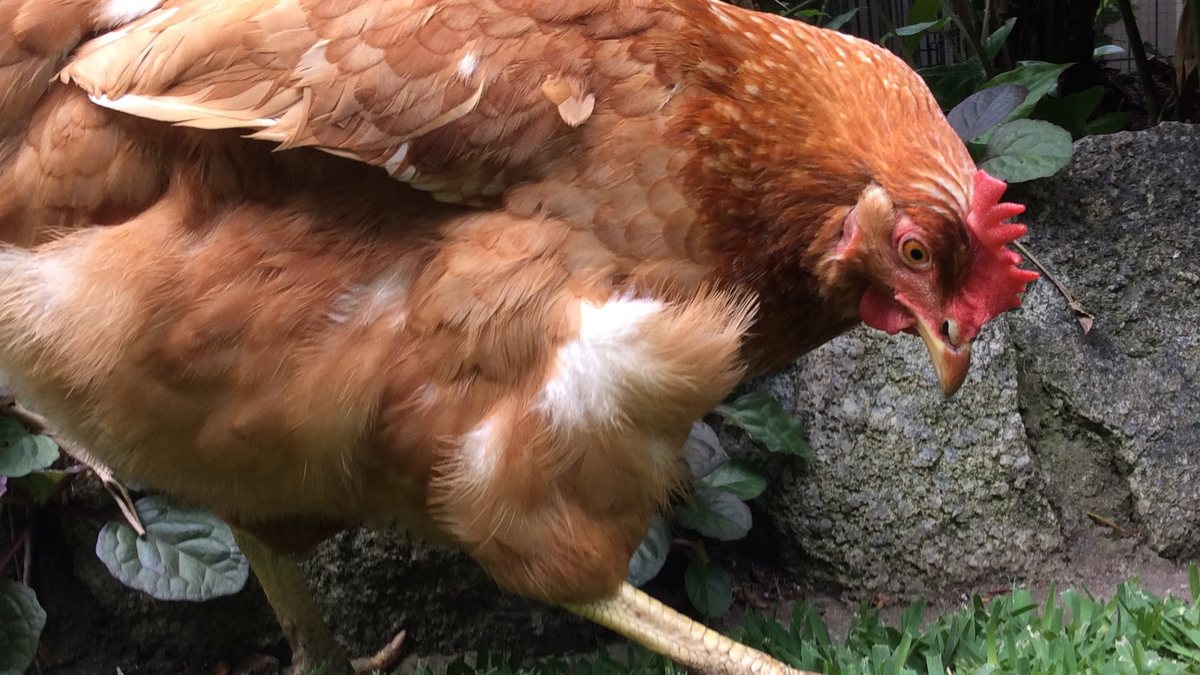
Point-of-lay hens cost around $30 to $45 each for a common layer like an ISA Brown, and more for pure or fancy breeds. A decent coop runs $250 to $1,750 depending on size and quality, and feed works out to roughly $8 to $12 per hen a month. All up, expect $500 to $1,200 to get a small backyard flock set up properly in the first year.
I keep six Isa Browns in a homemade coop, so alongside the costs here it is worth reading how I actually set mine up, including the flock integration mistake that cost me the most grief. If you are still choosing gear, I have compared backyard chicken coops and egg incubators separately.
How much do backyard chickens cost in Australia in 2026?
Prices updated July 2026 from current Australian sources.
| Item | Typical cost |
|---|---|
| Point-of-lay hen (ISA Brown or hybrid layer) | $30 to $45 each |
| Pure or heritage breed hen | $40 to $80 each |
| Fancy breed (Silkie, Frizzle, Pekin) | $50 to $120 each |
| Coop (flatpack, 2 to 6 hens) | $250 to $900 |
| Larger or custom coop | $900 to $2,000+ |
| Feeder and waterer | $30 to $80 |
| Layer feed | $8 to $12 per hen per month |
| Bedding (straw or shavings) | $20 to $40 per year |
| Health (worming, mite treatment) | $50 to $120 per year |
The coop is by far the biggest cost, and it’s worth spending on. A flimsy coop that a fox can get into is the most expensive mistake you can make.
Sources (July 2026): Backyard Chicken Coops, Dine-A-Chook, Powells Stockfeeds, and current Australian point-of-lay hen listings., Pet Shop Direct
Where the money actually goes
The hens: a point-of-lay hybrid layer like an ISA Brown is around $30 to $45 and will lay almost straight away, which is why I always suggest starting with point-of-lay rather than day-old chicks. Chicks are cheaper to buy but need a brooder, a heat lamp and weeks of care before they earn their keep. Pure and fancy breeds cost more and often lay less, so buy them because you love them, not for the eggs.
The coop: this is where the real money goes, and it’s the one thing I’d never cut corners on. A flatpack coop for a few hens runs $250 to $900, with bigger and custom builds well over that. Whatever you buy, it needs to be genuinely predator-proof. Foxes, and even the neighbour’s dog, will get into a weak coop, and a fox will wipe out a whole flock in one night. Solid mesh (not flimsy chicken wire), a secure latch and a dig-proof base are worth every dollar.
Feed: good-quality layer pellets or mash costs about $8 to $12 per hen a month. You can bring that down with kitchen scraps and free-ranging, but they still need a proper layer feed for the calcium and protein that makes strong eggshells. A separate dish of shell grit is cheap and makes a real difference to eggshell quality.
Setup extras: a decent feeder and waterer together run $30 to $80, and bedding like straw or pine shavings is $20 to $40 a year. Nesting boxes are usually built into the coop, and a bag of shell grit lasts ages.
Vet and health: chickens don’t often see a vet, but they do get worms and mites, and the odd hen will go off the lay or get egg-bound. Routine worming and mite treatment costs maybe $50 to $120 a year across a small flock. Red mite is the most common problem I see, so check your coop regularly, especially in the warmer months.
How to keep the cost down
- Start with point-of-lay hens, not chicks. You skip the brooder, heat lamp and weeks of raising, and they start laying almost immediately.
- Pick hardy hybrid layers. ISA Browns and similar hybrids are cheap, tough and lay brilliantly. Fancy breeds are lovely but cost more and lay less.
- Buy feed in bulk. A 20kg bag of layer pellets is far cheaper per feed than small bags, and it keeps well in a sealed bin.
- Feed scraps and free-range. Safe kitchen scraps and time out on the grass cut your feed bill and keep the hens happy.
- Look for a second-hand coop. Facebook Marketplace is full of barely-used coops at half the price. Just scrub and mite-treat it before your hens move in.
Recommended products
If you’re setting up a backyard flock, here are a few things from Amazon Australia that help (these are affiliate links):
Frequently asked questions
How much does a backyard chicken cost to buy in Australia?
A point-of-lay hybrid layer like an ISA Brown costs around $30 to $45. Pure and heritage breeds run $40 to $80, and fancy breeds like Silkies or Pekins can be $50 to $120 or more. Point-of-lay birds (roughly 18 to 22 weeks) cost more than chicks but start laying almost straight away.
Do you need a permit to keep chickens in Australia?
Most councils let you keep a small number of hens without a permit, but the rules vary a lot. Roosters are banned in many suburban areas because of noise, there are often limits on how many birds you can have, and rules about how far the coop sits from your fences. Always check your local council before you start.
How many chickens should you get?
At least two or three. Chickens are flock animals and a single hen gets stressed and lonely. Three or four hens is a good starting flock for most backyards and gives you a steady supply of eggs.
How much does it cost to feed a chicken each month?
Around $8 to $12 per hen a month on good-quality layer feed, less if you supplement with kitchen scraps and let them free-range. A 20kg bag of layer pellets is roughly $25 and lasts about five weeks for a small flock.
Are backyard chickens cheaper than buying eggs?
Not at first. The coop and setup are the real cost, and it takes a while to pay that back in eggs. Over the longer term, and if you keep good layers, they can work out cheaper, but most people keep chickens because they enjoy them, with the eggs as a bonus.
Related cost guides
This guide contains affiliate links. We may earn a small commission from qualifying purchases at no extra cost to you.