
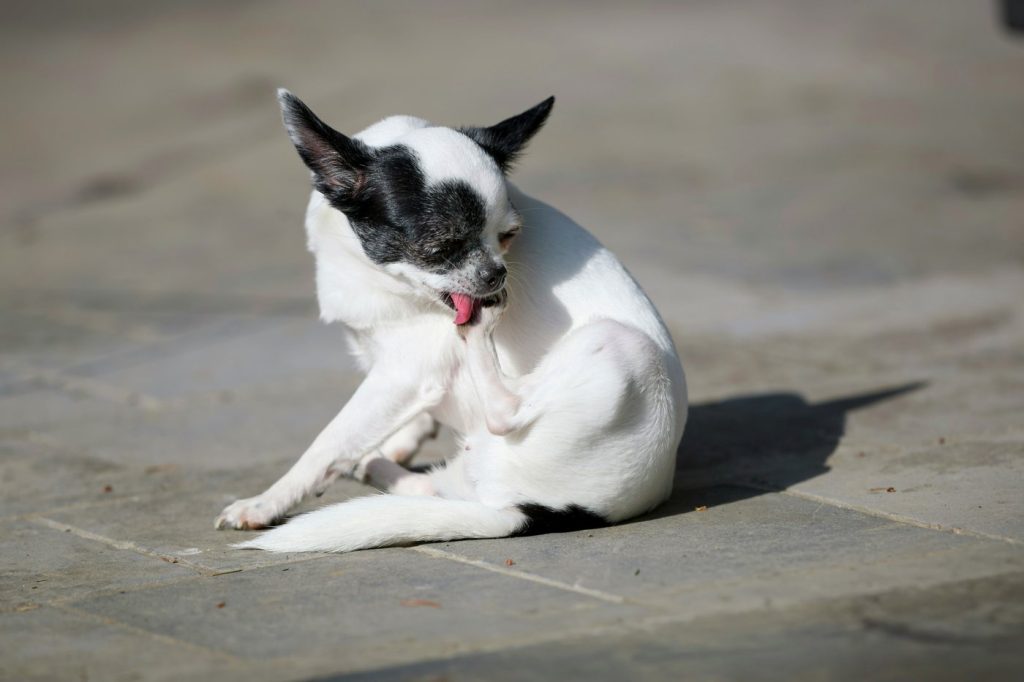
I work in a pet store, and one of the most common things I see is an itchy dog. The owner has been to the vet, sometimes more than once, has come home with medication, and the dog is still scratching. When I ask what the dog eats, it is often the first time anyone has asked.
In my experience at the counter, the diet is very often behind it, and the usual suspects are beef, chicken or wheat. It is not the only cause, and I will cover the others below, but it is the one that gets missed most.
If your dog is itchy, rule out fleas first, then talk to your vet about a food trial. That means feeding one single, ideally new, protein (like kangaroo or lamb) with no other foods, treats or chews for at least 8 weeks. Common culprits are beef, chicken and wheat. Single protein foods like Prime100 SPD Kangaroo are an easy place to start. Read labels carefully: many lamb or kangaroo foods still contain chicken.
If I had to pick one food to start a trial with, it would be Prime100 SPD Kangaroo and Pumpkin. It is single protein, Australian made, and kangaroo is a meat most dogs have never eaten, which is exactly what you want when you are trying to find out what your dog reacts to.
Affiliate link. I may earn a small commission at no extra cost to you.
| Cause | Clues | What to do |
|---|---|---|
| Fleas or flea allergy | Scratching near the tail and back legs | Year round flea treatment for every pet in the house |
| Food allergy | Itchy paws, ears, belly, year round, ear infections | A strict single protein food trial for 8 weeks or more |
| Environmental allergy | Worse in spring or summer, grass, pollen, dust mites | Talk to your vet about allergy testing and treatment |
| Skin infection | Smell, redness, scabs, hair loss | Vet visit, often caused by one of the above |
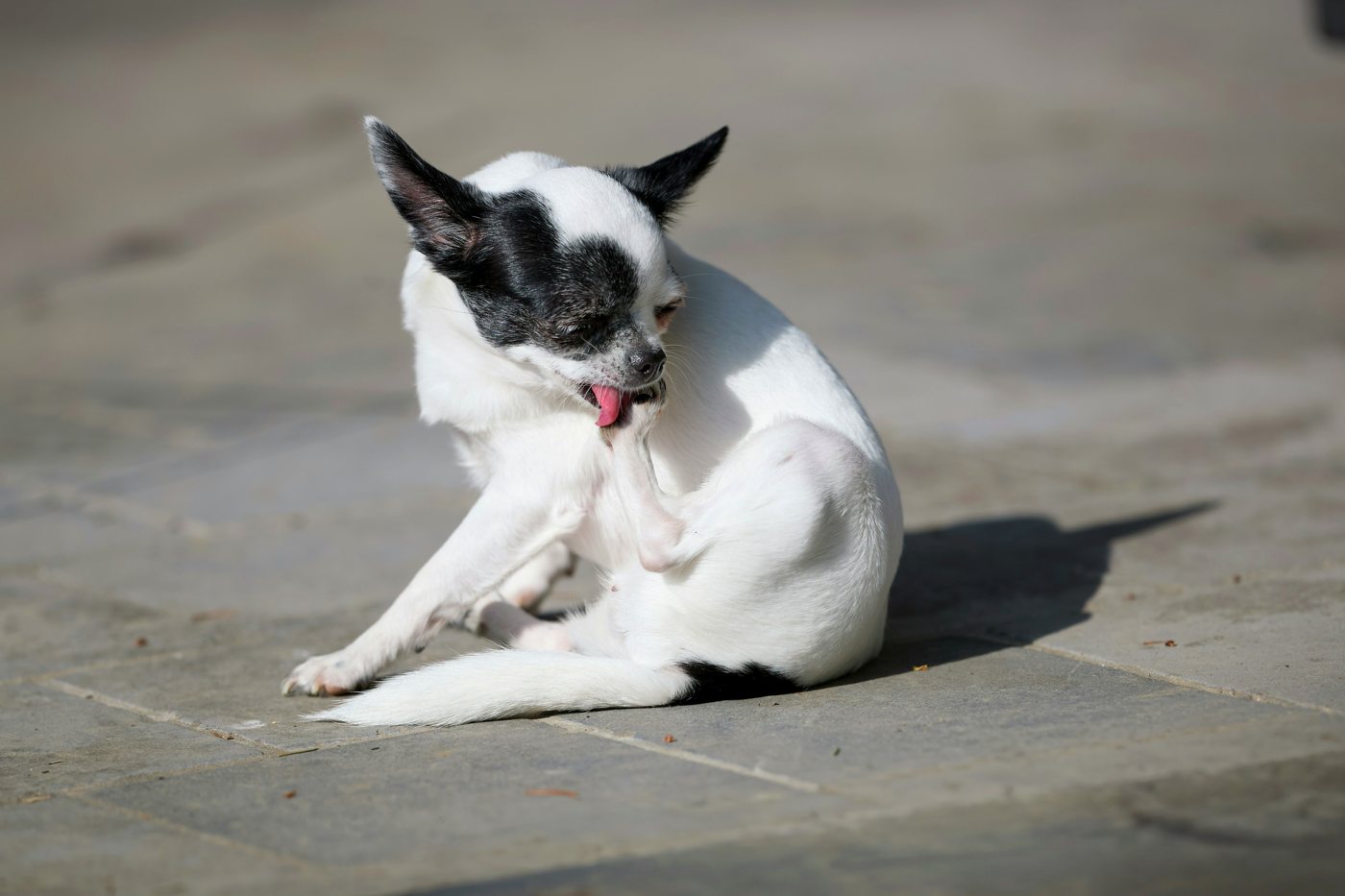
Why I Ask About Diet First
Medication can stop the itch, but if the itch is coming from the food, it comes back the moment the medication stops. The dog ends up on a cycle of vet visits and tablets while still eating the thing that caused it.
Food allergies in dogs are most often to a protein the dog has eaten a lot of, which in Australia usually means beef or chicken, sometimes dairy, and grains like wheat. It is not usually the brand, it is the ingredient. So switching from one chicken based food to another chicken based food does not fix anything, even if the bag is more expensive.
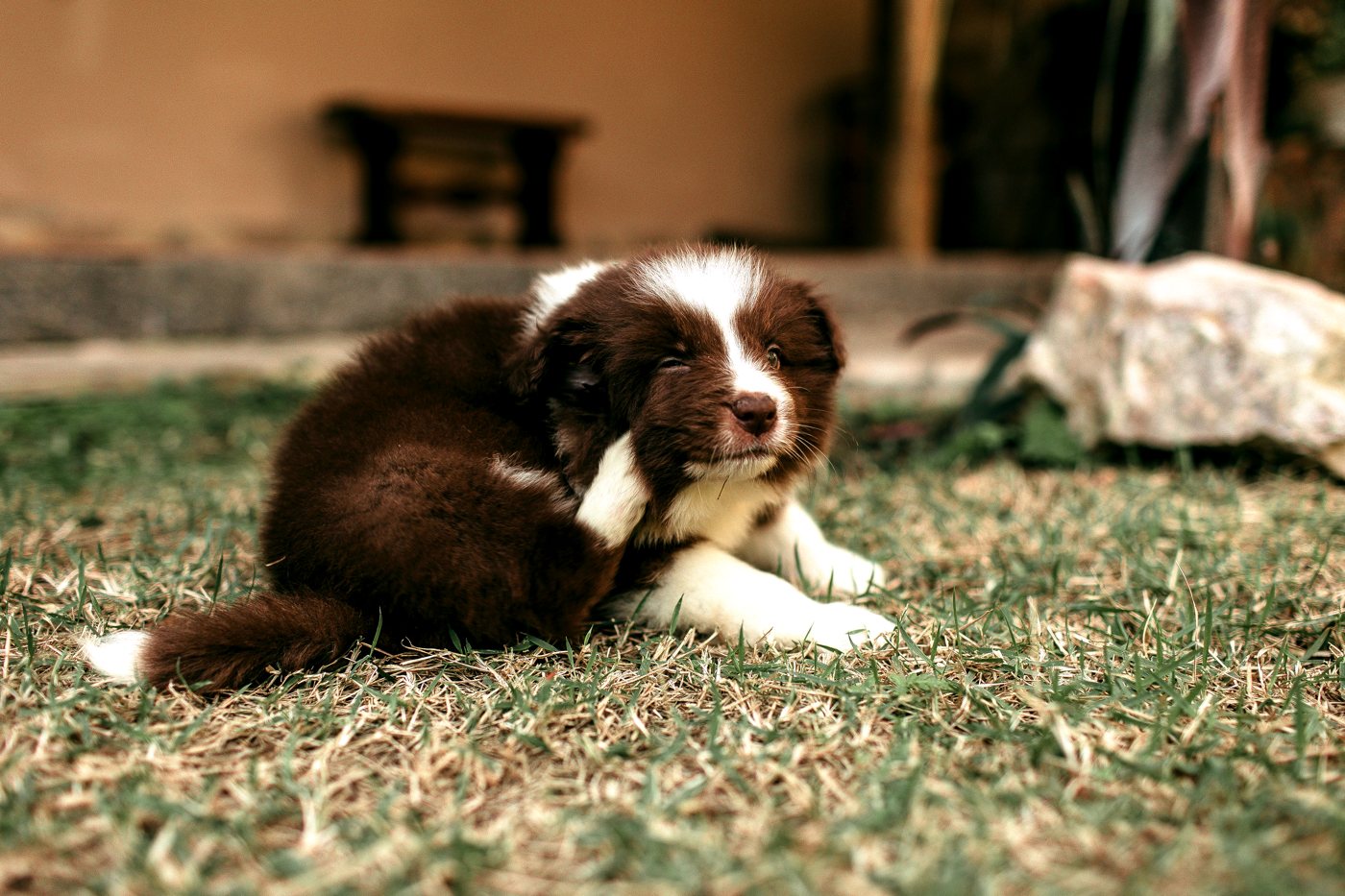
Rule Out Fleas First
Before changing the food, make sure fleas are not the problem. Flea allergy is one of the most common causes of itching, and one bite can set off a sensitive dog for days, so you may never see a flea. Every dog and cat in the house needs to be treated, all year round, not just in summer.
How a Food Trial Works
- Pick one protein your dog has never eaten, or has eaten very little of. Kangaroo is a great Australian option, and lamb works for many dogs. Your vet may recommend a prescription hydrolysed diet instead.
- Feed only that food for at least 8 weeks. Many vets recommend up to 12.
- No treats, chews, table scraps or flavoured medications unless they match the trial protein. One chicken treat can undo weeks.
- Watch the itch. If it settles, you are on to something.
- Reintroduce the old food under vet guidance. If the itch comes back within days, you have your answer.
The trial only works if it is strict. That is the hard part, especially in a house with kids or a dog that is used to scraps.
Read the Label, Not the Front of the Bag
This is the trap I see people fall into. A bag says kangaroo or lamb in big letters on the front, but the ingredients list on the back includes chicken meal, chicken fat or beef. For a food trial, that defeats the purpose. Look for foods that say single protein, and still check every ingredient.
Cheapest Is Not Best
Another thing I see a lot: people assume the cheapest dog food is the best choice because dog food is dog food. Cheap foods often use mixed meat and grain fillers, and the protein source can change from batch to batch, which makes allergies much harder to pin down. A good single protein food costs more per bag, but it is often cheaper than repeated vet visits for skin.
Fish Oil Helps the Skin While You Wait
Omega 3 fish oil supports the skin barrier and can take the edge off itching. Check with your vet first if your dog is on other medication, and pick a fish oil without flavourings during a strict food trial.
Fussy Eater During the Switch?
Some dogs refuse the new food at first, usually because they are holding out for something better. My method: put the food down, and if it is not eaten in 10 to 20 minutes, take it away. Offer it again at the next meal, with no treats or human food in between. Most dogs get the message within a day or two. If a dog genuinely will not eat for more than a day, or is unwell, see the vet.
What It Costs
| Option | Rough cost per month |
|---|---|
| Supermarket chicken based food | $40 to $70 |
| Single protein kangaroo or lamb dry food | $80 to $150 |
| Air dried single protein food | $150 to $300 |
| Prescription hydrolysed vet diet | $120 to $200 |
Allergy testing at the vet can cost several hundred dollars on top. A food trial is cheaper and is often the step vets recommend first for suspected food allergy.
What I Would Look At
Single protein foods and extras worth considering. Always check the full ingredient list. (these are affiliate links)
Frequently Asked Questions
What dog food is best for itchy skin in Australia?
For a suspected food allergy, a single protein food using a meat your dog has not eaten before, such as kangaroo or lamb, fed strictly for at least 8 weeks. Prime100 SPD Kangaroo is a good place to start. Always read the full ingredients, because many kangaroo or lamb foods also contain chicken or beef.
What are dogs most commonly allergic to in their food?
Most often the proteins they have eaten the most of, which in Australia usually means beef or chicken, sometimes dairy, plus grains like wheat. It is usually the ingredient rather than the brand, so switching between two chicken based foods will not help.
How long does it take for a food change to stop itching?
Usually several weeks. A proper food trial runs for at least 8 weeks and often up to 12, with no other foods, treats or chews. If the itch improves on the trial and returns when the old food is reintroduced, food is very likely the cause.
Can fleas cause itching even if I cannot see any?
Yes. Flea allergy is very common, and a single bite can set off a sensitive dog for days, so you may not see fleas at all. Treat every pet in the house, all year round, before blaming the food.
Should I see a vet for an itchy dog?
Yes, especially if there is redness, smell, scabs, hair loss or ear infections, because skin infections need treatment. Ask your vet about a food trial too. In my experience the diet is the step that gets skipped most often.