
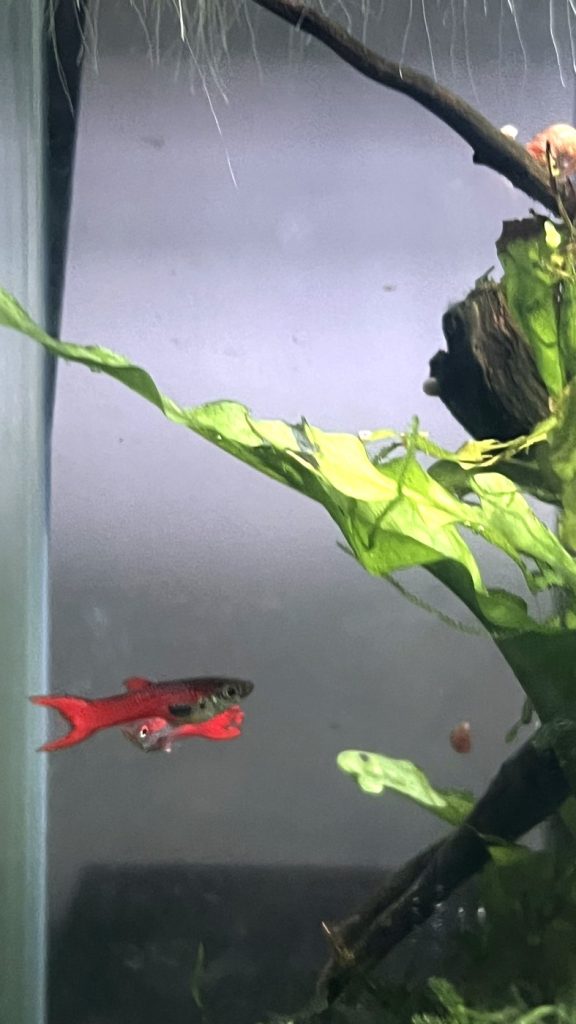
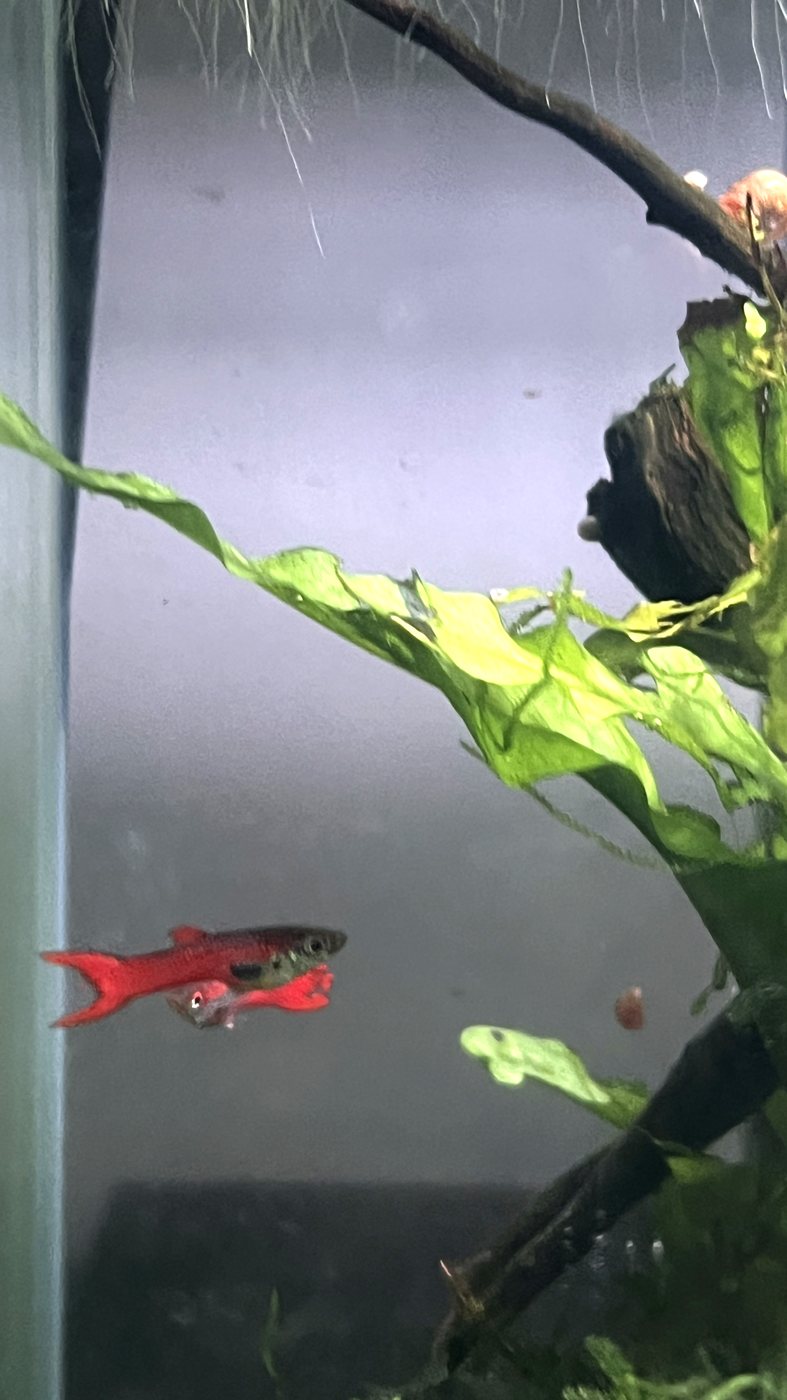
I work in a pet store, and there is one thing I see that enrages me every single time: someone keeping a betta in a little jar, or coming in to buy just the jar. I keep a betta myself, in a 40 litre indoor pond with bristlenose and tetras, and I have watched how differently a betta behaves when it has room, warmth and plants.
Bettas get sold as the fish that can live in a cup. They can survive in one for a while, the same way you could survive in a cupboard. That is not the same as being well. So this is what I would actually buy for a betta, and why.
A betta needs a heated, filtered tank, not a jar or bowl. I would not go smaller than about 10 litres, and 20 litres or more is better and easier to keep stable. Bettas are tropical fish, so in most of Australia they need a heater set to around 26 degrees all year. Use a filter with gentle flow, real or silk plants rather than plastic, and conditioned tap water. An all in one kit like the Aqua One Betta Sanctuary at around $115 is the easiest way to get it right first time.
If you want one box that has it all, the Aqua One Betta Sanctuary is the tank I would point a beginner to. It comes with the light, the heater and the filter already built in, so you are not trying to work out four separate things. I have one at home and find it easy to run, and it looks good, which matters because a tank that looks good in your room is a tank you look after.
Affiliate link. I may earn a small commission at no extra cost to you.
| Setup | Size | Rough cost | My verdict |
|---|---|---|---|
| Jar or bowl | 1 to 3 litres | $10 to $30 | No. No heater, no filter, water goes bad fast |
| Aqua One Betta Sanctuary | 10 litres, all in one | About $115 | The easiest good option for a beginner |
| Small tank plus separate heater and filter | 20 to 30 litres | $120 to $200 | Better, more stable, more room for plants |
| Community tank or pond | 40 litres plus | $200 plus | What mine lives in, with peaceful tankmates |
Why the Jar Is Such a Problem
Three reasons. First, temperature. Bettas are tropical fish from warm, shallow water in Southeast Asia. A jar on a bench in an Australian house drops well below what they need overnight and through winter. A cold betta goes pale, stops eating and gets sick.
Second, water quality. In a tiny volume of water with no filter, waste builds up to toxic levels within days. People think they are doing the right thing by changing all the water, but that swings the temperature and chemistry hard every time.
Third, boredom. Bettas are curious, they patrol, they explore plants and they rest on leaves near the surface. In a bare jar they have nothing to do.
The idea that bettas like small spaces because they live in puddles is a myth. In the wild they live in rice paddies and marshes that are shallow but spread over a huge area.
Tank Size: 10 Litres Minimum, 20 Plus Is Better
About 10 litres is the smallest I would be comfortable with, and that is what the Betta Sanctuary holds. Bigger is easier, not harder. More water means temperature and water quality change more slowly, so a mistake has time to be noticed before it hurts the fish. If you have the space, 20 litres or more is a really nice size for one betta, and long tanks beat tall ones because bettas spend a lot of time near the surface.
The Heater Is Not Optional
In most of Australia a betta needs a heater all year. Aim for around 26 degrees. I use glass Aqua One heaters, and the nano preset ones are simple because there is nothing to adjust.
One safety warning I give everyone at work: never take a glass heater out of the water while it is switched on. It heats up fast in air and can crack or shatter, and if you then put it back in the water it can break. Switch it off at the wall, wait for it to cool, and then lift it out.
Filter: Gentle Flow
Bettas have long, heavy fins and are not strong swimmers. A filter that would be fine for tetras can push a betta around the tank all day. Pick a small filter you can turn down, or one with a spray bar or a sponge on the outlet to soften the flow. If your betta is getting blown around or hiding in one corner, the flow is too strong.
When you clean the filter, rinse the sponge in old tank water, never under the tap. Tap water kills the bacteria in the filter that keep the water safe.
No Plastic Plants. Ever.
This one I feel strongly about. Never use hard plastic plants with a betta. The edges are sharp enough to tear their long fins, and torn fins can lead to infection. Use real plants, or silk plants if you want fake ones. A quick test: if the plant snags a pair of tights when you run it across, it will snag fins.
Easy live plants for a betta tank are Java fern, Java moss, anubias and floating plants. Bettas love resting on broad leaves near the surface, which is also why betta leaf hammocks are popular. Indian almond leaves are another nice extra: they release tannins that tint the water a light tea colour, which is closer to the water bettas come from.
Tank Mates
A male betta should be the only betta in the tank. In a big enough tank, like my 40 litre pond, peaceful fish such as bristlenose catfish and small tetras can work. Avoid anything that nips fins or anything brightly coloured with long fins that the betta might mistake for a rival. In a 10 litre tank, keep the betta on its own, or with a few snails.
Food
Bettas are carnivores and eat mostly insects in the wild, so use a betta specific pellet rather than general tropical flakes. Feed a few pellets once or twice a day, and skip a day each week. Overfeeding is the most common way betta water goes bad.
Lids: Bettas Jump
I run my tanks without lids because I like the look, but you should know the trade off. Fish do jump, bettas included, especially when the water is not right. Lidless tanks also lose water to evaporation incredibly fast, so you will be topping up often.
What It Really Costs
| Item | Rough cost |
|---|---|
| All in one 10 litre kit | About $115 |
| Or: 20 to 30 litre tank | $50 to $120 |
| Heater (if not included) | $30 to $40 |
| Filter (if not included) | $30 to $60 |
| Live or silk plants | $20 to $50 |
| Water conditioner and food | About $40 |
| Betta | $15 to $60 depending on type |
So you are looking at roughly $200 to $300 to do it properly, against $30 for a jar. The jar is not really cheaper, because a betta kept well lives for years and a betta in a jar usually does not.
What I Would Buy
The gear I would put together for a betta. (these are affiliate links)
Want to see everything I run? Here is all the gear I actually use across my reptiles, tanks, rabbits and caique.
Frequently Asked Questions
Can a betta live in a bowl or jar?
It can survive for a while, but it will not do well. A jar has no heater, so the water gets too cold for a tropical fish, and no filter, so waste builds up within days. Bettas sold in jars is the thing that annoys me most at work. A heated, filtered tank of at least 10 litres is the minimum I would recommend.
What size tank does a betta need?
About 10 litres is the smallest I would go, and 20 litres or more is better. Bigger tanks are actually easier, because temperature and water quality change more slowly, which gives you time to notice a problem before it hurts the fish.
Does a betta need a heater in Australia?
Yes, in most of Australia, all year round. Bettas are tropical fish and do best around 26 degrees. Unheated tanks drop well below that overnight and through winter. Never lift a glass heater out of the water while it is switched on, because it can crack or shatter.
Are plastic plants safe for bettas?
No. Hard plastic plants can tear a betta’s long fins, and torn fins can get infected. Use live plants like Java fern, anubias and Java moss, or silk plants if you want fake ones.
How much does a betta setup cost in Australia?
Roughly $200 to $300 to do it properly, including a tank of 10 to 30 litres, a heater, a filter, plants, water conditioner, food and the fish. An all in one kit like the Aqua One Betta Sanctuary is around $115 on its own and includes the heater, filter and light.